How a psychedelic Beatles cartoon accidentally redefined animation as a serious adult art form
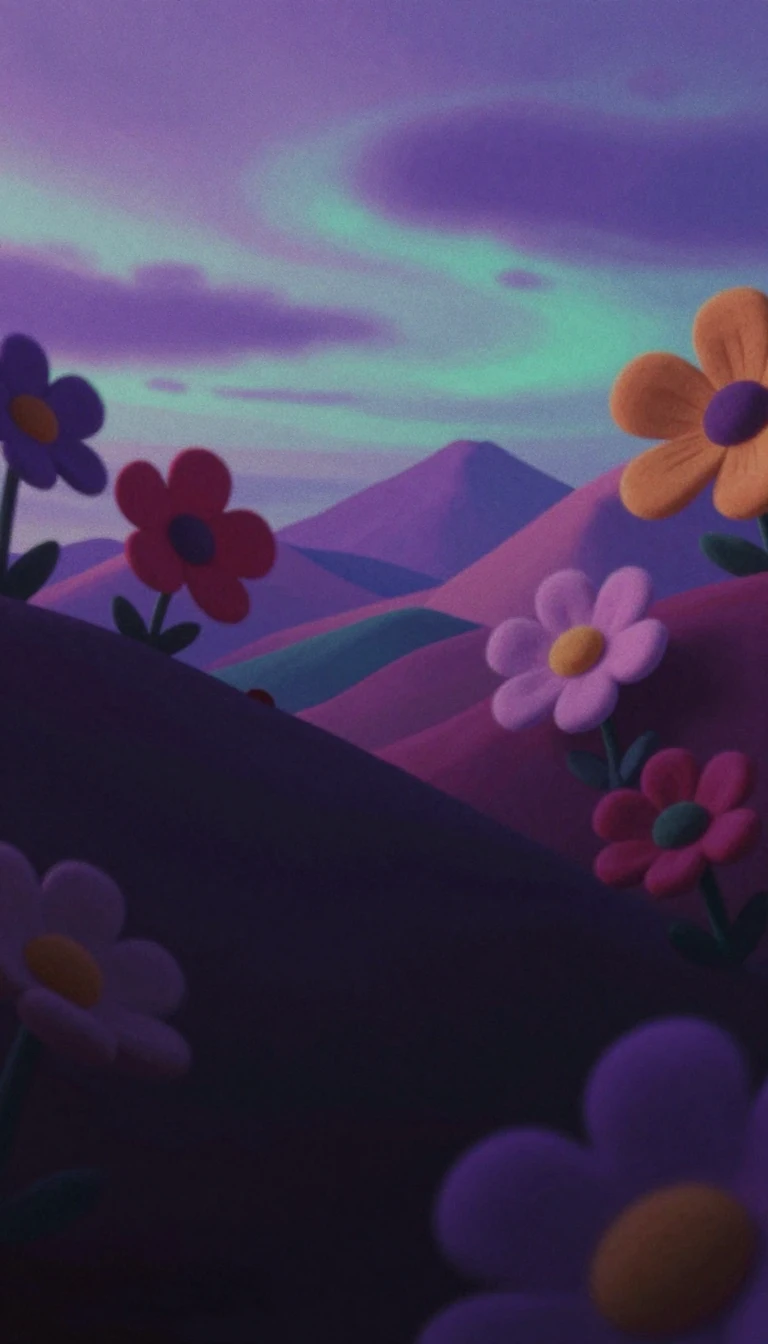
In short: Released in 1968, Yellow Submarine was meant to be a contractual obligation, not a masterpiece. Yet, this kaleidoscopic journey through Pepperland transformed animation from a medium for children into a respected artistic discipline, proving that technical imperfections and shifting visual styles could create a uniquely immersive, surreal cinematic experience.
The Beatles were initially reluctant to star in a third film, having been dissatisfied with their previous live-action feature, Help!. They agreed to an animated project as a way to satisfy their three-picture deal with United Artists. While fans often assume the cartoon failed to meet contract requirements, the documentary Let It Be was not part of that original agreement. The band’s only live-action appearance occurs in the final scene, filmed on January 25, 1968, just before their trip to India. Due to budget and time constraints, the background remained a plain, flat black rather than the intended psychedelic effects.
The film’s visual identity was the work of art director Heinz Edelmann, whose surreal, shifting aesthetic was designed to keep audiences engaged by changing techniques every five minutes. This approach stood in stark contrast to the polished, consistent style of Walt Disney. Because the production was decentralized and rushed to meet an 11-month deadline, dozens of art students were hired for night shifts to ink over 132,000 frames. This led to frequent 'off-model' character designs and inconsistent proportions. Rather than detracting from the film, these accidental distortions of reality blended perfectly into the fluid, psychedelic atmosphere.
The production was fraught with unusual challenges. Peter Batten, who voiced George Harrison for the first half of the film, was arrested as a deserter from the British Army of the Rhine before he could finish his lines. His role was completed by Paul Angelis, who also voiced Ringo Starr and the Chief Blue Meanie. Additionally, the iconic 'Blue Meanies' were originally intended to be red or purple, but an accidental color change by an assistant gave the villains their final, distinct look. Despite these chaotic origins, the film was praised for its innovation, eventually influencing later works like Monty Python’s Flying Circus and the educational vignettes of Schoolhouse Rock.
Opens the Intellect+ feed with this card first. Swipe up for the next one.
Sources
- Summary by Intellect · source: Yellow Submarine (film)
- Also: Yellow Submarine
To cite this card, link to https://intellectplus.co.uk/app/entertainment-yellow-submarine-film.
How we source, check and correct cards: Editorial standards.
General information, not professional advice. Spotted an error? Flag the card or see corrections and complaints.
Intellect Plus is a visual educational discovery platform for exploring fascinating facts and ideas. Brain Food, Not Brain Rot. What is Intellect Plus?
Related
More in Animated series & cartoons · More in Entertainment · Latest · A–Z · All topics
