How a 1937 Hitchcock thriller pioneered the cinematic reveal through a single camera movement
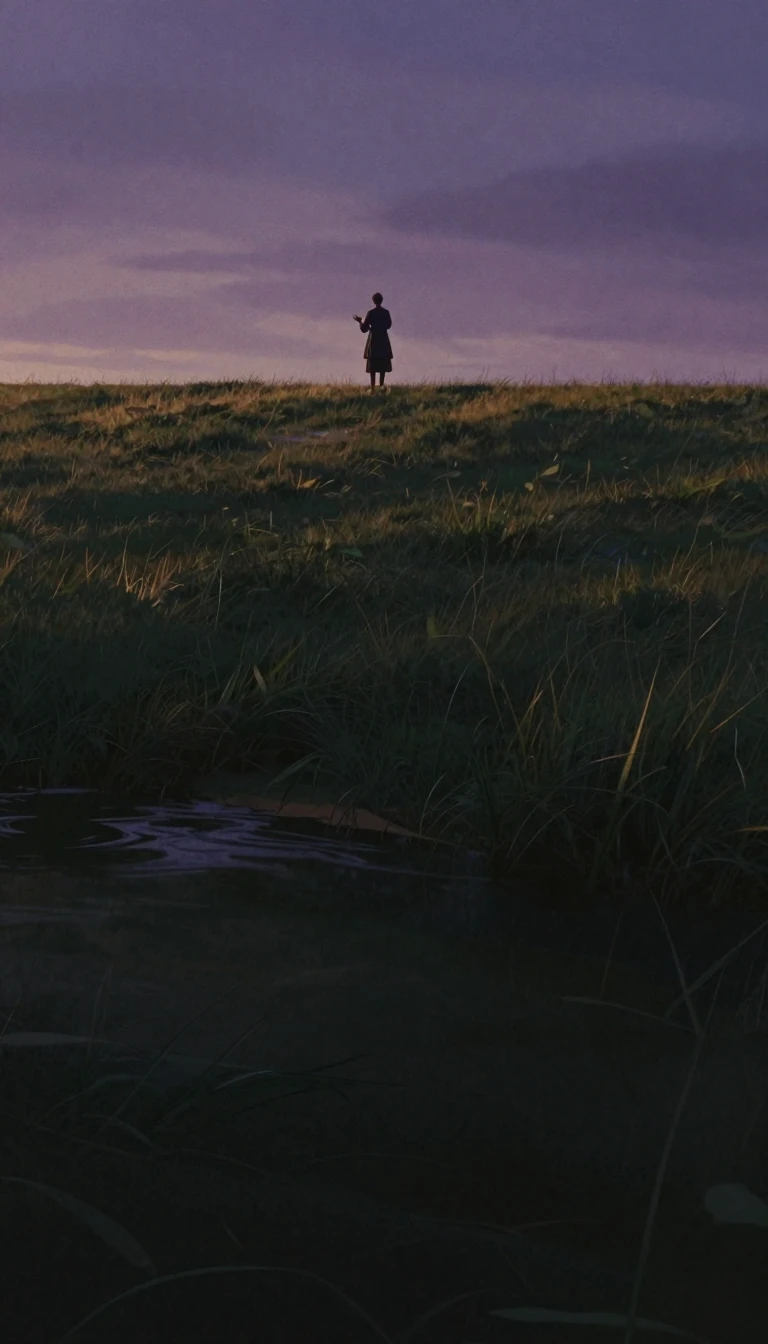
In short: Alfred Hitchcock’s 1937 crime thriller Young and Innocent follows a man wrongly accused of murder who must clear his name. While the plot is a classic chase, the film is best remembered for a technically ambitious, elaborate crane shot that famously unmasks the killer in a single, fluid motion.
Released in the United States as The Girl Was Young, this British production stars Nova Pilbeam and Derrick De Marney. Based on Josephine Tey’s 1936 novel A Shilling for Candles, the film centers on Robert Tisdall, a writer who becomes the primary suspect after the body of actress Christine Clay washes ashore. The police case against him is circumstantial but damning: he was seen fleeing the scene, and his raincoat—missing its belt—was allegedly used as the murder weapon.
The narrative follows Tisdall’s desperate flight from justice, aided by Erica Burgoyne, the daughter of the local police Chief Constable. As they track down the missing coat, they discover it was stolen by a man with a distinctive, twitching eye. This leads them to a hotel ballroom where the culprit, the victim's ex-husband Guy, is performing as a drummer in blackface. The film’s climax is defined by a legendary, sweeping crane shot that travels across the ballroom to pinpoint the killer, a signature moment of Hitchcockian suspense.
Critical reception at the time was mixed but generally positive. While The New York Times praised its crisp pacing and The Monthly Film Bulletin lauded Hitchcock’s keen observation, some critics like John Mosher of The New Yorker found the plot’s progression through the English countryside exasperating. Despite these contemporary debates, the film has aged well, currently holding a 100% approval rating on Rotten Tomatoes. It remains a fascinating study in adaptation, as the film significantly alters the source material, turning a subplot from Tey’s novel into the primary focus while discarding the book's original detective protagonist entirely.
Beyond the plot, the film offers a glimpse into Hitchcock’s early mastery of visual storytelling. From his own cameo as a man holding a camera outside the courthouse to the innovative use of the crane shot, the film showcases the director's evolving style. Though it has faced issues with bootlegging, it has since been preserved through licensed releases, ensuring this early work remains accessible to modern audiences interested in the mechanics of suspense.
Opens the Intellect+ feed with this card first. Swipe up for the next one.
Sources
- Summary by Intellect · source: Young and Innocent
- Also: Wikidata — Young and Innocent · CC0
To cite this card, link to https://intellectplus.co.uk/app/entertainment-young-and-innocent.
How we source, check and correct cards: Editorial standards.
General information, not professional advice. Spotted an error? Flag the card or see corrections and complaints.
Intellect Plus is a visual educational discovery platform for exploring fascinating facts and ideas. Brain Food, Not Brain Rot. What is Intellect Plus?
Related
More in Films · More in Entertainment · Latest · A–Z · All topics
