A cinematic disaster: how the production of Zulu Dawn became a real-life tragedy
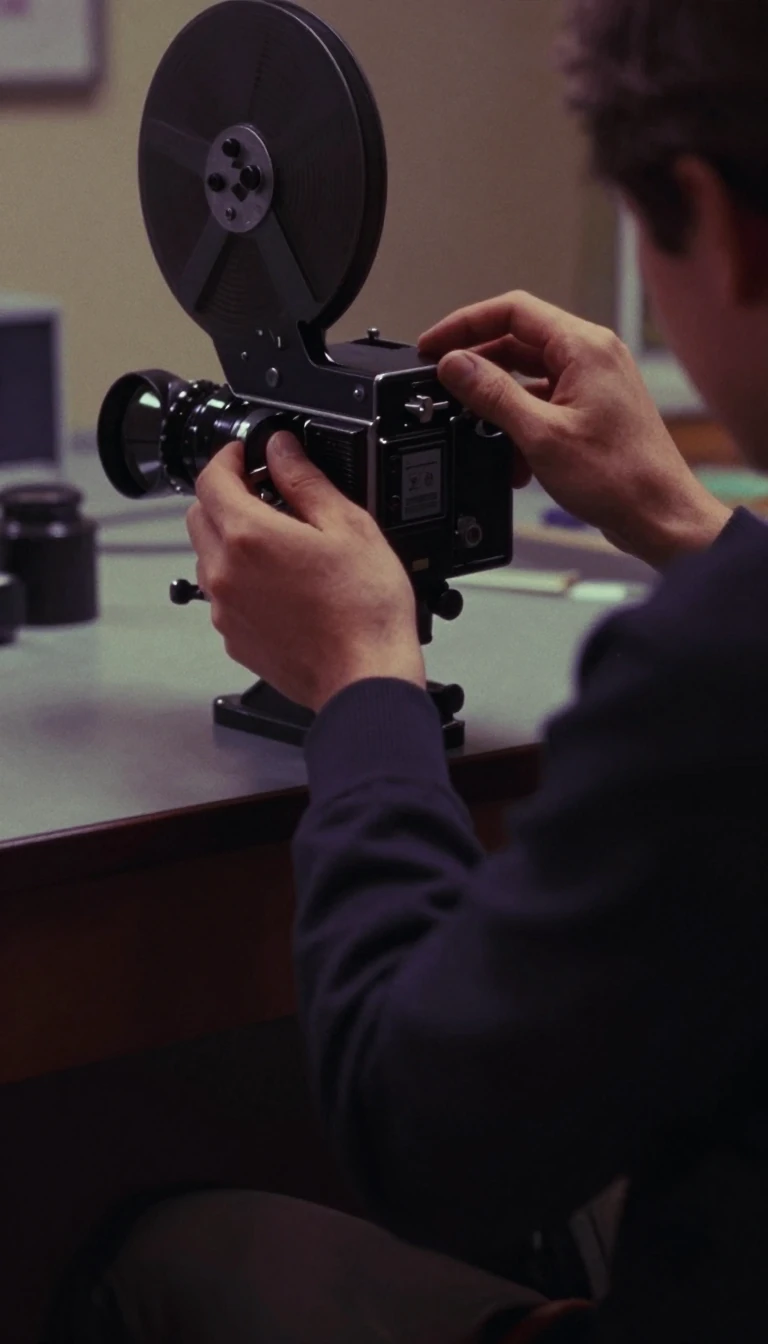
In short: The 1979 war film Zulu Dawn was intended to be a prestigious prequel to the classic Zulu. Instead, it became a financial nightmare defined by personal guarantees, mistaken identities, and legal chaos. While the film depicted a historical massacre, the production itself nearly destroyed the careers of its own financiers.
The film was conceived by Cy Endfield and Stanley Baker as a prequel to their 1964 success, Zulu, focusing on the 1879 Battle of Isandlwana. Following Baker’s death in 1976, the project spiraled into logistical and financial disarray. Production costs ballooned from an initial $6.5 million to $11.75 million, forcing producers to rely on complex, high-risk financing schemes involving Swiss banks and personal guarantees from investors like Jake Eberts.
The production was plagued by bizarre errors and professional friction. In a case of mistaken identity, producers hired composer Elmer Bernstein, believing they were securing the services of the legendary Leonard Bernstein. Meanwhile, actor John Hurt was denied entry to South Africa, likely because authorities confused him with an activist actor named John Heard. On set, the scale was massive, with over 1,000 people involved daily, yet the film's management was later described by Eberts as incompetent or dishonest.
Legal battles further crippled the project. Following its completion, the film faced injunctions from creditors, including co-producers and local South African staff, who claimed they were owed hundreds of thousands of pounds in deferred fees. Although the film finally premiered in London in October 1979, it failed to recoup its costs and struggled to find a US distributor. For Eberts, the financial fallout was severe; he nearly faced bankruptcy and was forced to leave his firm to settle debts that reached $475,000 by 1983.
Historically, the film attempts to portray the British provocation of the Zulu Empire, which critics of the time viewed as a colonial overreach that nearly toppled Disraeli’s government. Despite the ambition to focus on individual character studies rather than faceless combat, the film remains a cautionary tale of how unchecked production ambition can lead to professional ruin, leaving a legacy defined more by its chaotic behind-the-scenes drama than its cinematic merit.
Opens the Intellect+ feed with this card first. Swipe up for the next one.
Sources
- Summary by Intellect · source: Zulu Dawn
- Also: Wikidata — Zulu Dawn · CC0
To cite this card, link to https://intellectplus.co.uk/app/entertainment-zulu-dawn.
How we source, check and correct cards: Editorial standards.
General information, not professional advice. Spotted an error? Flag the card or see corrections and complaints.
Intellect Plus is a visual educational discovery platform for exploring fascinating facts and ideas. Brain Food, Not Brain Rot. What is Intellect Plus?
Related
More in Films · More in Entertainment · Latest · A–Z · All topics
