Why this humble, tough cut of beef requires patience to achieve culinary perfection
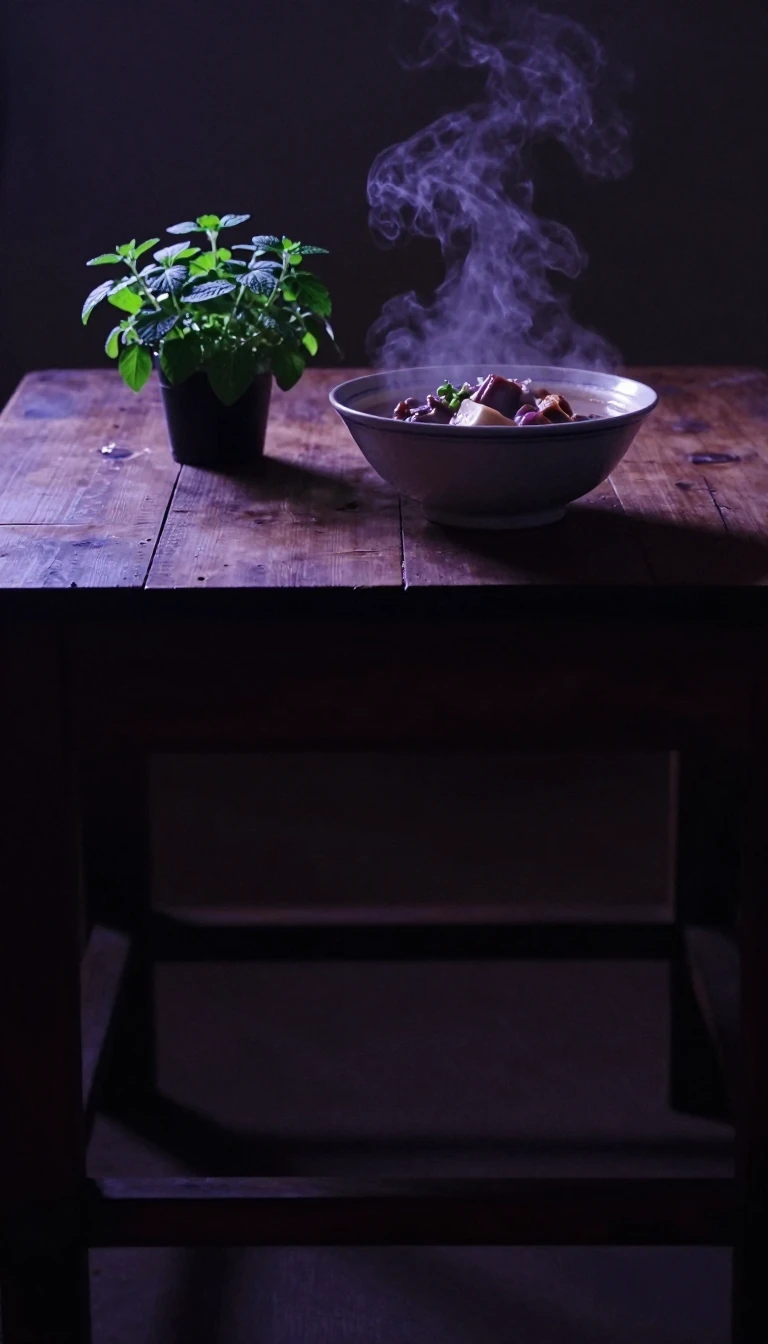
In short: Brisket is a primal cut from the chest of cattle, supporting over half of the animal's weight. Because it is packed with dense connective tissue, it starts out remarkably tough. However, when treated with slow, low-heat cooking, those collagen fibers gelatinize, transforming a challenging piece of meat into a tender masterpiece.
The secret to brisket lies in its anatomy. Because cattle lack collarbones, the superficial and deep pectoral muscles—which make up the brisket—must bear roughly 60% of the animal's weight while it stands or moves. This constant exertion creates a significant amount of connective tissue and collagen. While this makes the raw meat notoriously difficult to chew, it is a boon for slow-cooking methods. As the meat is subjected to prolonged heat, the collagen breaks down into gelatin, providing a succulent texture that defines the best preparations.
Global culinary traditions have developed diverse ways to master this cut. In the United States, particularly in Texas, the focus is on slow-smoking over indirect heat from hardwoods like oak or hickory. In contrast, Jewish tradition often treats it as a braised pot roast for holidays like Passover or the Sabbath, while British cooks might roast it slowly in a lidded casserole. The cut is also central to international staples: it is a key ingredient in Vietnamese phở, Korean jang-jorim, and the Italian bollito misto.
The brisket is often divided into two distinct parts for retail and food service. The 'flat cut' or 'first cut' comes from the deep pectoral muscle and is leaner, while the 'point' or 'second cut' is the fattier superficial pectoral. Whether you are smoking it to create burnt ends or simmering it in a spicy soup like the Korean yukgaejang, the key remains the same: time. By allowing the fat cap to protect the meat during long cooking sessions, you ensure the final result is moist, flavorful, and entirely worth the wait.
Beyond its versatility, brisket holds significant cultural weight. It is often cited as the national dish of Texas and has deep roots in Ashkenazi Jewish history, where it was favored for its economic value and adherence to kashrut. Whether it is being boiled in a New Zealand Māori boil up or spiced for an Indian nihari, this cut proves that with the right technique, even the toughest muscles can become a centerpiece of global cuisine.
Opens the Intellect+ feed with this card first. Swipe up for the next one.
Sources
- Summary by Intellect · source: Brisket
To cite this card, link to https://intellectplus.co.uk/app/food-brisket.
How we source, check and correct cards: Editorial standards.
General information, not professional advice. Spotted an error? Flag the card or see corrections and complaints.
Intellect Plus is a visual educational discovery platform for exploring fascinating facts and ideas. Brain Food, Not Brain Rot. What is Intellect Plus?
Related
More in Cooking, food and drink · More in Food & Drink · Latest · A–Z · All topics
