Why the secret to perfect choux pastry is steam, not a raising agent
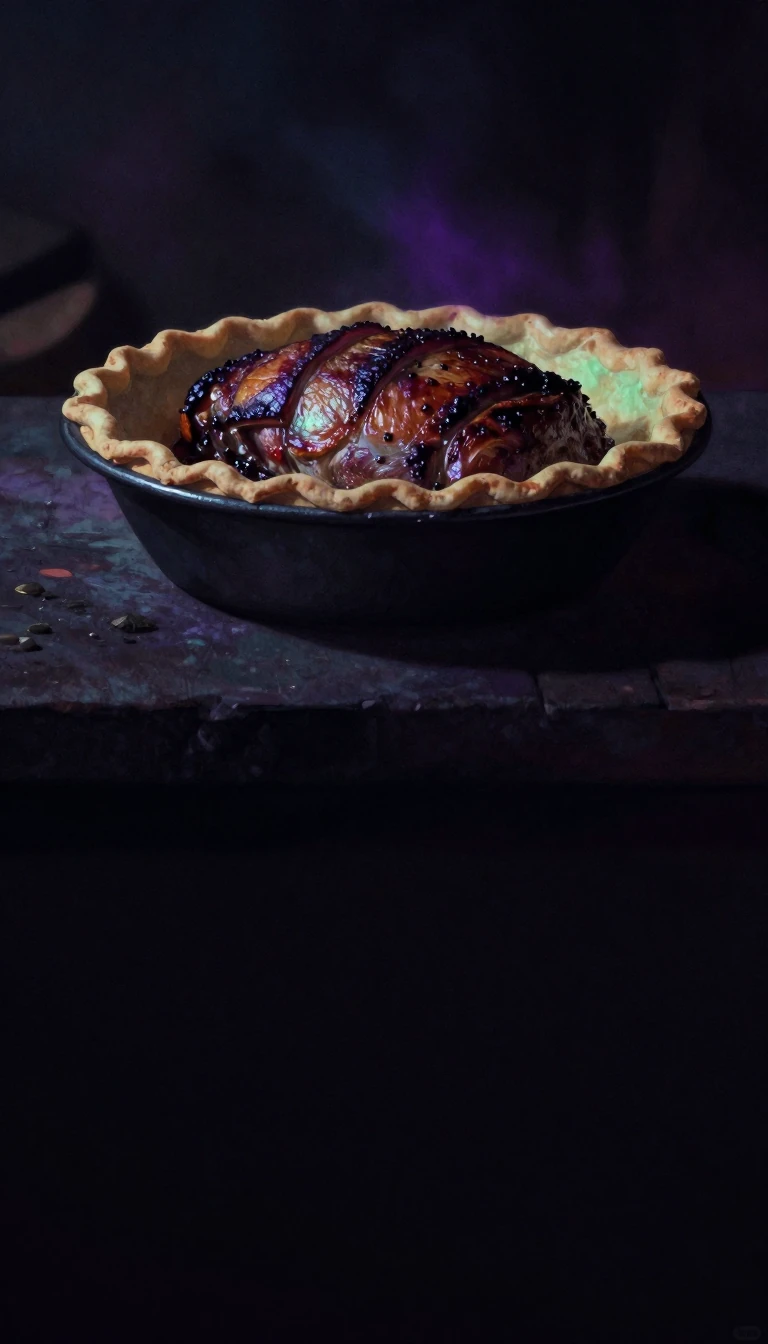
In short: Choux pastry relies on a clever physical reaction rather than chemical leavening. By boiling water and butter before incorporating flour, bakers gelatinize starches to trap moisture. In the oven, this water turns to steam, inflating the dough into the light, hollow structures found in eclairs, profiteroles, and savory gougeres.
The foundation of choux pastry is remarkably simple, requiring only butter, water, flour, and eggs. Unlike cakes or breads that depend on chemical leavening agents like baking powder, choux uses its high moisture content to generate lift. The process begins by boiling water and butter, then stirring in flour. This specific sequence is critical because the heat causes the flour's starch to gel, which allows the dough to hold significantly more water than it otherwise could. After the mixture cools, eggs are added to reach the correct consistency, creating a dough that expands rapidly as steam builds during the baking process.
While the technique is precise, the history of choux is often obscured by myth. A popular 19th-century legend suggests that a chef named Popelini invented the dough in 1540 while serving Catherine de' Medici. However, this narrative is historically inaccurate. Records show that similar cakes, known as poupelins, existed as early as 1349. The term 'choux' itself likely evolved from 'pâte à chaud,' or hot dough, and was documented in European cookbooks as early as the 16th century. By the 18th century, royal chefs like Jean Avice and Antoine Carême, who served in the court of Marie Antoinette, refined the recipe into the version commonly used for modern desserts.
The versatility of this dough is vast, spanning both sweet and savory applications across global cuisines. While typically baked, choux can also be fried, as seen in Spanish churros or French beignets. It serves as the structural base for everything from the delicate, cream-filled profiterole to savory Parisian gnocchi and cheese-infused gougères. Even when the goal is not to achieve a light, airy puff, the dough remains a staple; for instance, certain Austrian apricot dumplings use choux pastry to create a dense, satisfying texture. Whether it is a simple chouquette dusted with pearl sugar or a complex croquembouche, the fundamental science of steam-driven expansion remains the constant.
Despite its reputation for being delicate, choux is a remarkably robust culinary tool. The name 'choux'—meaning cabbage in French—refers to the small, round puffs that resemble the vegetable. While modern variations like the sugar-topped craquelin add new textures, the core method has remained largely unchanged for centuries. It is a testament to the effectiveness of simple, physics-based cooking that a recipe relying on nothing more than steam has remained a cornerstone of pastry arts since the medieval period.
Opens the Intellect+ feed with this card first. Swipe up for the next one.
Sources
- Summary by Intellect · source: Choux pastry
To cite this card, link to https://intellectplus.co.uk/app/food-choux-pastry.
How we source, check and correct cards: Editorial standards.
General information, not professional advice. Spotted an error? Flag the card or see corrections and complaints.
Intellect Plus is a visual educational discovery platform for exploring fascinating facts and ideas. Brain Food, Not Brain Rot. What is Intellect Plus?
Related
More in Cooking, food and drink · More in Food & Drink · Latest · A–Z · All topics
