From Peking to Persia, why duck remains a global culinary powerhouse
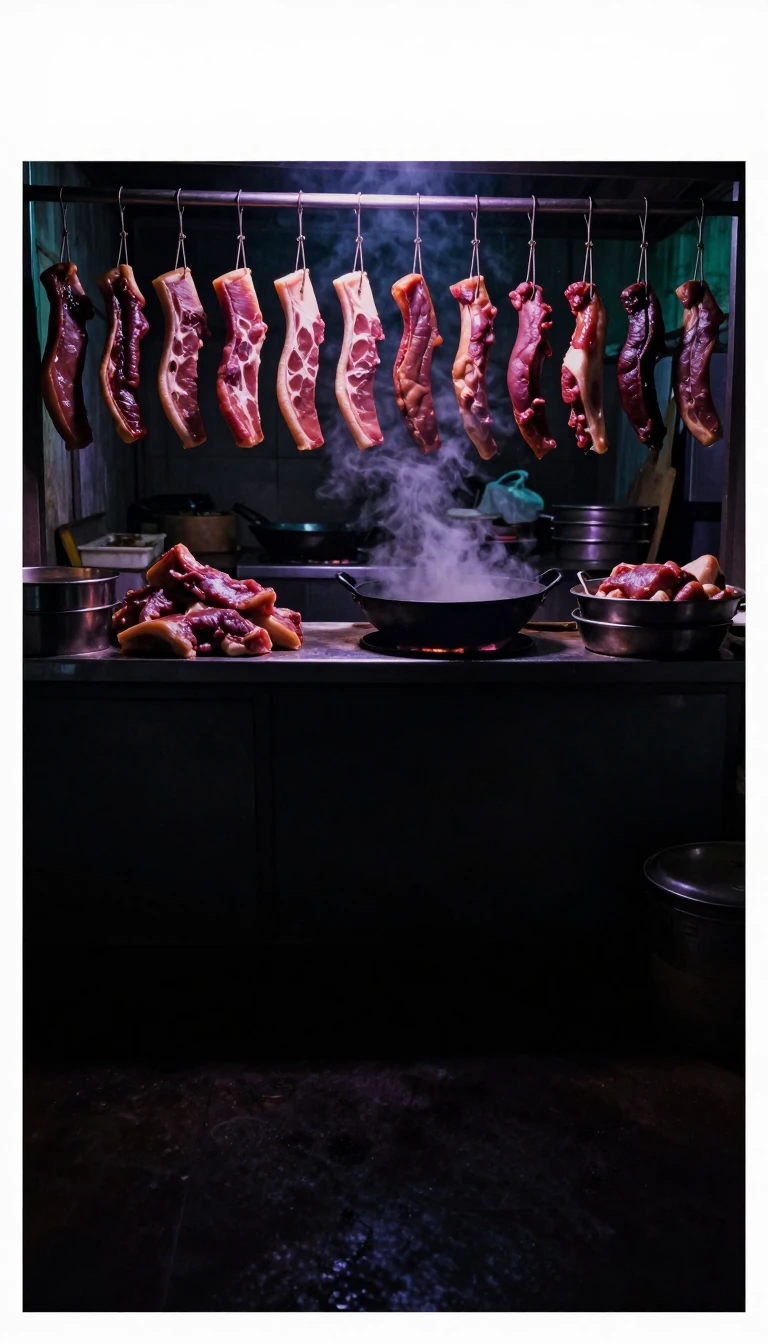
In short: Duck is a calorie-dense marvel, prized for centuries across diverse cultures. Whether it is the meticulous preparation of Peking duck or the aristocratic stews of Iran, this versatile bird offers a rich, fatty profile that transforms from wild game to refined centerpiece through centuries of specialized breeding and culinary innovation.
Duck has been a staple of human diets for millennia, with wild hunting predating domestication by thousands of years. While wild mallards remain the global gold standard for table quality, domestication—which began in China over 2,000 years ago—has produced a vast array of breeds tailored for specific purposes, from the egg-laying Indian Runner to the meat-focused Aylesbury and the ubiquitous Long Island duck. These domesticated varieties, mostly descended from the mallard, have been selectively bred to alter their size, appearance, and flesh quality, creating a distinct culinary landscape.
The preparation of duck varies wildly, reflecting deep-seated cultural preferences. In France, the bird is often served pink, a stark contrast to Spanish traditions that historically favored longer roasting times, often resulting in drier meat. Techniques range from the complex, multi-day process of Peking duck—involving air-pumping, blanching, and glazing—to the rustic, blood-based soups of Poland or the elaborate, fruit-stuffed roasts found in Israel and Turkey. Even the slaughtering methods are culturally significant; for example, the French Rouen breed is traditionally strangled to preserve blood within the carcass for specific sauces.
Beyond the plate, duck is a nutritional powerhouse, packed with protein and iron, though it is notably high in fat and cholesterol. Its versatility allows it to absorb complex flavors, whether paired with the pomegranate and walnuts of an Iranian Fesenjan or the simple sage and onion stuffing of traditional English Whitsuntide feasts. Despite its global popularity, duck remains a subject of caution; environmental concerns have occasionally linked wild-caught birds to water pollution, reminding us that even the most celebrated ingredients are inextricably tied to the health of their habitats.
Opens the Intellect+ feed with this card first. Swipe up for the next one.
Sources
- Summary by Intellect · source: Duck as food
To cite this card, link to https://intellectplus.co.uk/app/food-duck-as-food.
How we source, check and correct cards: Editorial standards.
General information, not professional advice. Spotted an error? Flag the card or see corrections and complaints.
Intellect Plus is a visual educational discovery platform for exploring fascinating facts and ideas. Brain Food, Not Brain Rot. What is Intellect Plus?
Related
More in Cooking, food and drink · More in Food & Drink · Latest · A–Z · All topics
