Is the dramatic blue flame of a flambé dish actually doing anything at all?
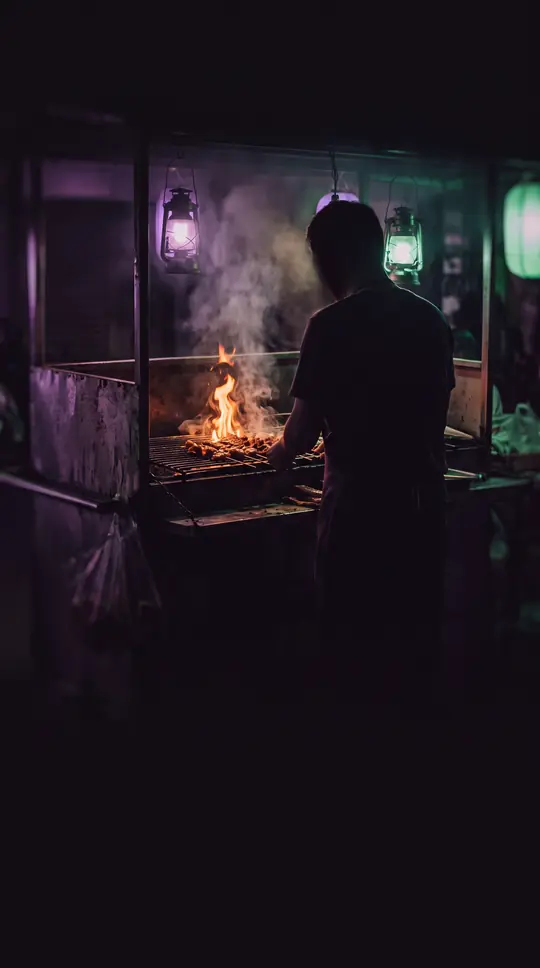
In short: Flambéing is a culinary spectacle, turning a simple meal into a pyrotechnic display. While the blue-tinged flames look intense, the actual impact on your food is surprisingly modest. From the science of vapor pressure to the history of flaming puddings, here is what really happens when you light dinner.
The term flambé, meaning flamed in French, describes a cooking technique where alcohol is added to a hot pan and ignited. While often associated with tableside theatrics like Bananas Foster or Crêpe Suzette, the process is also used in foundational cooking for dishes like coq au vin. The mechanism relies on physics: at room temperature, spirits are below their flash point. Heating the liquid increases vapor pressure, creating enough flammable vapors to catch fire when a match is introduced.
Popularity for the technique surged in the 19th century. Charles Dickens famously described a blazing Christmas pudding in his 1843 novel, A Christmas Carol, and cookbooks from the 1840s through the 1880s, such as those by Alexis Soyer and A.G. Payne, solidified the trend of flaming omelettes. Today, professional cooks recommend using flavorful liquors with about 40% alcohol content, or 80 USA proof. Wines and beers lack sufficient alcohol to ignite, while high-proof spirits like Bacardi 151 are considered dangerously flammable.
Despite the visual drama, the culinary benefits are debated. Experimental models suggest that flambéing only reduces alcohol content by about 35%. Furthermore, while the flame itself can exceed 500 °C, the temperature at the pan's surface is too low to trigger Maillard browning or caramelization. Because hot gases rise, the flame remains largely above the food, leading some to argue it has no significant impact on flavor. Experimental taste tests often confirm that most people cannot distinguish between flambéed and non-flambéed versions of the same dish, though some diners perceive a more sophisticated profile in the former.
Safety remains a primary concern. Experts advise against adding alcohol directly to a pan on an active burner and recommend using a long fireplace match to ignite the vapors. While the technique is largely for show, it remains a beloved tradition, even if it occasionally results in a singed thumb.
Opens the Intellect+ feed with this card first. Swipe up for the next one.
Sources
- Summary by Intellect · source: Flambé
To cite this card, link to https://intellectplus.co.uk/app/food-flamb.
How we source, check and correct cards: Editorial standards.
General information, not professional advice. Spotted an error? Flag the card or see corrections and complaints.
Intellect Plus is a visual educational discovery platform for exploring fascinating facts and ideas. Brain Food, Not Brain Rot. What is Intellect Plus?
Related
More in Cooking, food and drink · More in Food & Drink · Latest · A–Z · All topics
