How a 16th-century swamp became the world's most refined stage for luxury and sushi.
In short: Ginza began as a marshland before transforming into a silver mint and later a government-mandated model of modernization. Today, this Tokyo district serves as a global epicenter for high-end retail, traditional arts, and the world’s most exclusive sushi, all while maintaining a unique pedestrian-only rhythm on its busiest weekends.
The district of Ginza, located in Chūō, Tokyo, traces its name to a silver-coin mint established in 1612. Originally a swampy area filled in during the 16th century, it evolved into a core component of Edo’s downtown. Following a catastrophic fire in 1872, the Meiji government reimagined the neighborhood as a showcase for modernization. Under the guidance of Yamao Yozo and the design expertise of Thomas Waters, the area was rebuilt with fireproof, two- and three-story Georgian brick structures. While these buildings initially struggled to gain popularity among locals and foreign visitors—who found the Western aesthetic jarring—the district eventually flourished as a hub for media and modern marketing.
By the 20th century, Ginza had cemented its reputation as a premier shopping destination. It is now home to a high concentration of international luxury brands, including Chanel, Dior, and Louis Vuitton, alongside historic institutions like the Wako department store and the Hattori Clock Tower. The area also serves as a cultural anchor, housing the Kabuki-za theater, which has been reconstructed multiple times since its 1889 debut, and hosting traditional kimono boutiques. The district's blend of the ultra-modern and the traditional creates a unique atmosphere where visitors can browse flagship electronic showrooms or visit specialized kimono shops.
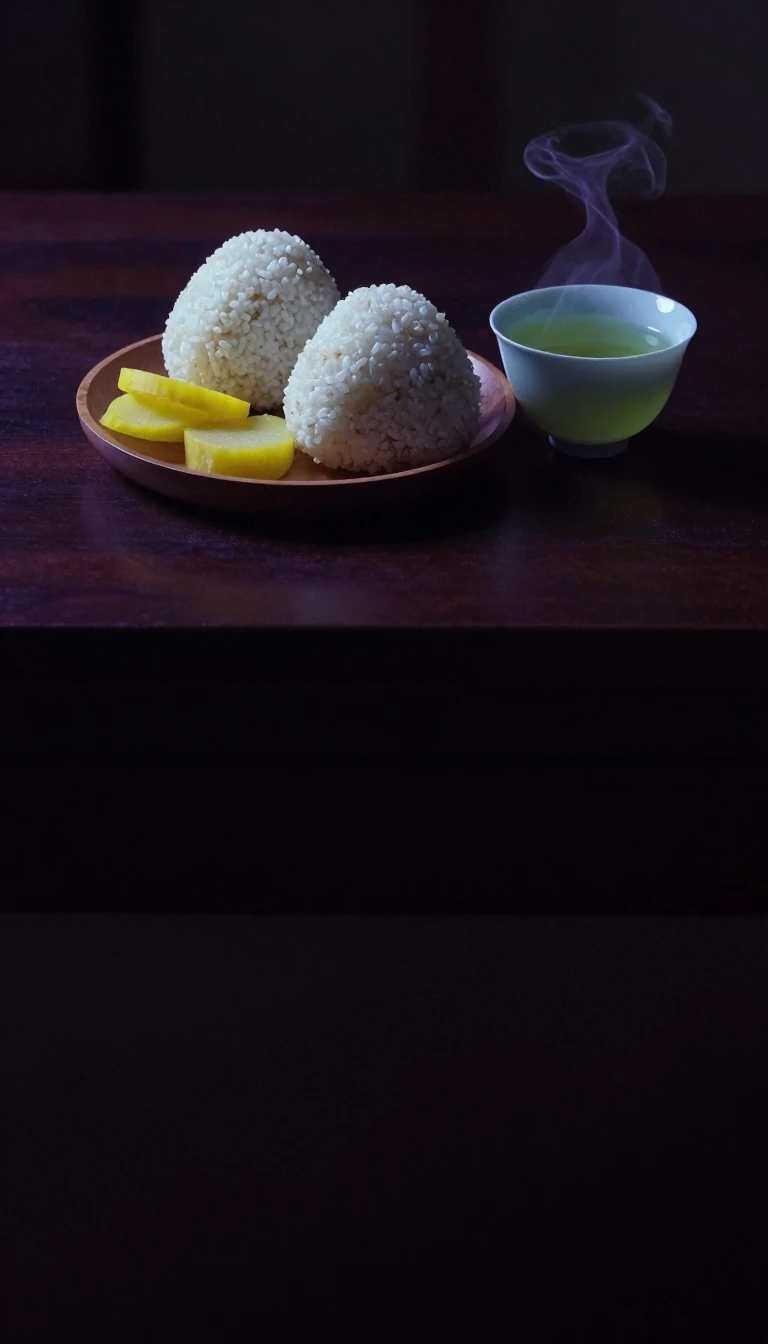
Culinary excellence is another hallmark of the area, most famously represented by Sukiyabashi Jiro. Operated by master Jiro Ono, the restaurant achieved global fame as the first sushi establishment to earn three Michelin stars, though it later exited the guide due to its restrictive reservation policy. Beyond fine dining, the district offers a rare urban experience: every weekend, the primary north-south thoroughfare is closed to vehicles. Known as 'pedestrian heaven,' this initiative, which began in the 1960s under governor Ryokichi Minobe, transforms the streets into a public stage for music, magic, and even impromptu feline displays.
Opens the Intellect+ feed with this card first. Swipe up for the next one.
Sources
- Summary by Intellect · source: Ginza
To cite this card, link to https://intellectplus.co.uk/app/food-ginza.
How we source, check and correct cards: Editorial standards.
General information, not professional advice. Spotted an error? Flag the card or see corrections and complaints.
Intellect Plus is a visual educational discovery platform for exploring fascinating facts and ideas. Brain Food, Not Brain Rot. What is Intellect Plus?
Related
More in Cooking, food and drink · More in Food & Drink · Latest · A–Z · All topics
