The humble herring has shaped human history and nutrition for over five thousand years.
In short: From the North Atlantic to the Pacific, the herring is more than a simple forage fish. This oily powerhouse has served as a global culinary staple since 3000 BC, fueling civilizations through innovative preservation techniques like salting, smoking, and pickling, while offering a dense profile of essential vitamins and fatty acids.
Herring, primarily from the genus Clupea, are among the most commercially significant fish globally, with the Atlantic herring alone representing over half of all captures. Beyond their economic impact, they are nutritional heavyweights. A 100-gram serving of raw Atlantic herring provides 158 calories and is an exceptionally rich source of vitamin B12, delivering 570% of the daily value. They are also packed with omega-3 fatty acids, vitamin D, niacin, and phosphorus, making them a dense source of essential nutrients.
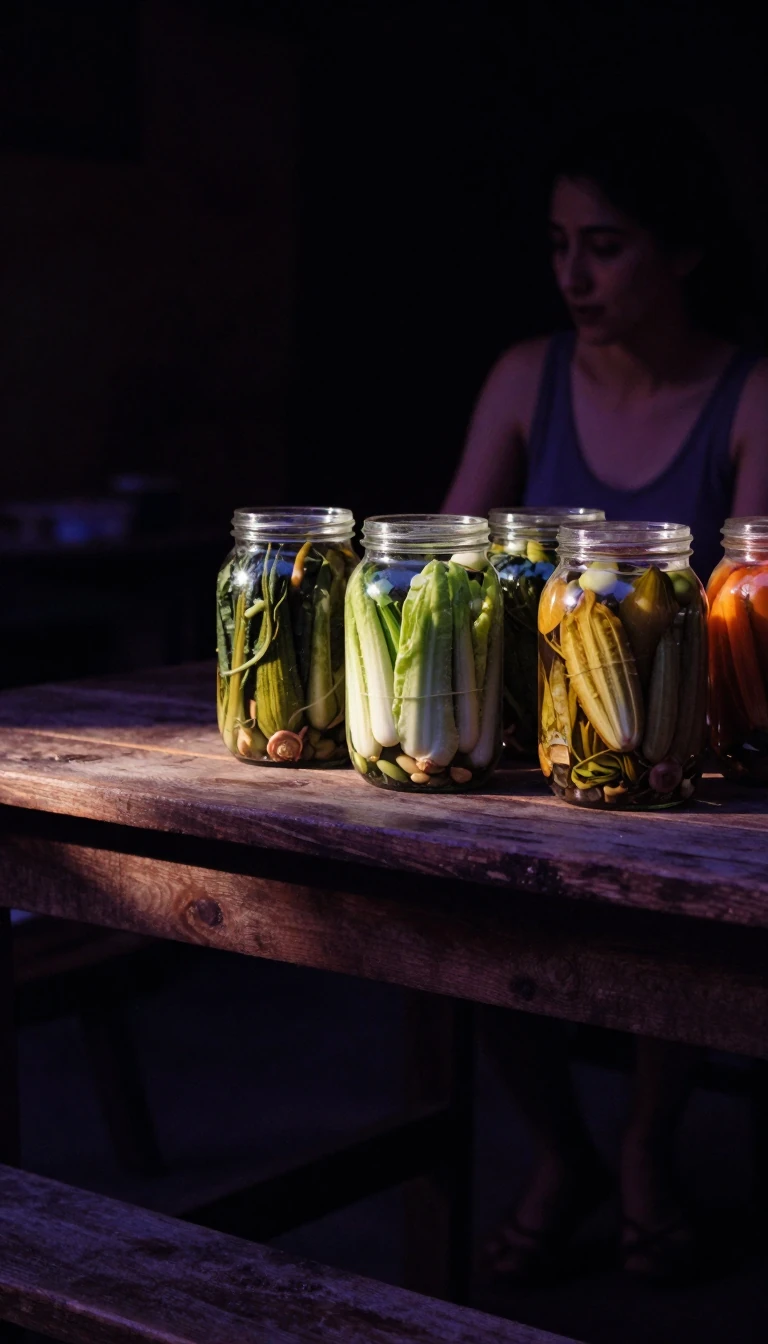
The versatility of herring is rooted in its long history of preservation. Because the fish are prone to spoilage, cultures worldwide developed sophisticated methods to store them. Traditional techniques include cold-smoking to create kippers, hot-smoking for bucklings, and fermentation, such as the Swedish surströmming. Pickling remains a widespread practice, typically involving a two-step process: first curing the fish in salt to draw out moisture, then marinating them in a solution of vinegar, sugar, and aromatics like dill or mustard.
Regional traditions highlight the cultural depth of this fish. In the Netherlands, the arrival of 'Hollandse Nieuwe'—young, seasonal herring—is a celebrated event, often eaten raw with onions. Meanwhile, in Southeast Alaska, the Tlingit people have long practiced a unique harvest, collecting fertilized herring eggs from hemlock boughs placed in the ocean. While generally safe and low in mercury, consumers should be aware that herring can occasionally carry environmental contaminants like PCBs or listeria, and raw consumption carries rare risks.
The herring's influence extends into the annals of history and literature. Their study was foundational to the development of modern fisheries science in the early twentieth century. Their cultural footprint is so deep that, as George Orwell noted in The Road to Wigan Pier, Emperor Charles V reportedly commissioned a statue to honor the inventor of the bloater, a type of cold-smoked, whole herring. From the breakfast tables of the Philippines to the festivals of Scheveningen, the herring remains a persistent, vital thread in the global food tapestry.
Opens the Intellect+ feed with this card first. Swipe up for the next one.
Sources
- Summary by Intellect · source: Herring as food
To cite this card, link to https://intellectplus.co.uk/app/food-herring-as-food.
How we source, check and correct cards: Editorial standards.
General information, not professional advice. Spotted an error? Flag the card or see corrections and complaints.
Intellect Plus is a visual educational discovery platform for exploring fascinating facts and ideas. Brain Food, Not Brain Rot. What is Intellect Plus?
Related
More in Cooking, food and drink · More in Food & Drink · Latest · A–Z · All topics
