Why your brain is hardwired to crave sugar and reject bitter flavors
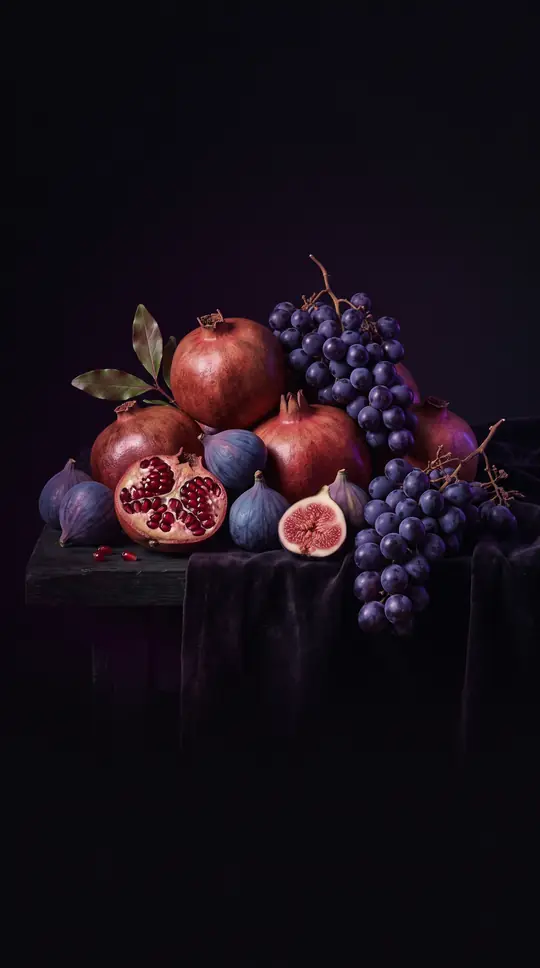
In short: Humans are evolutionary omnivores, but our taste buds tell a deeper story. We are biologically predisposed to seek energy-dense sweetness while instinctively avoiding bitterness, which often signals toxicity. This ancient survival mechanism, combined with our complex cultural relationship with food, shapes everything from our global diet to our modern kitchens.
Our sense of taste evolved as a survival guide. Sweetness intensity historically signaled energy density, prompting our primate ancestors to prioritize sugar and fats for fuel. Conversely, a low bitterness detection threshold served as a warning system against potential toxins. While we now live in an era of processed abundance, these deep-seated preferences remain, even as we use artificial sweeteners like sucralose to mimic the sensation of sugar without the caloric load.
Beyond survival, food is a cornerstone of human culture and identity. Scholars argue that culinary traditions are often the final aspect of an ethnic culture to be lost, serving as a powerful form of communication. From the umami-rich broths of ancient Paris—the origin of the modern restaurant—to the specific spice combinations that define regional cuisines, food reflects our history, economics, and social values. Gastronomy, the study of these practices, reveals how we have diversified our diets through sophisticated preparation methods like fermentation, smoking, and curing.
Today, our food system is a massive industrial engine, with conventional agriculture accounting for up to 37% of global greenhouse gas emissions. While we rely on staples like maize, wheat, and rice for the majority of our calories, there is a growing movement toward sustainable agroecosystems. These models aim to balance food production with vital services like soil fertility, flood mitigation, and biodiversity. As we look toward 2030 and the goal of eliminating global hunger, the challenge lies in reconciling our evolutionary cravings and cultural traditions with the urgent need for a more sustainable, equitable food future.
Opens the Intellect+ feed with this card first. Swipe up for the next one.
Sources
- Summary by Intellect · source: Human food
To cite this card, link to https://intellectplus.co.uk/app/food-human-food.
How we source, check and correct cards: Editorial standards.
General information, not professional advice. Spotted an error? Flag the card or see corrections and complaints.
Intellect Plus is a visual educational discovery platform for exploring fascinating facts and ideas. Brain Food, Not Brain Rot. What is Intellect Plus?
Related
More in Cooking, food and drink · More in Food & Drink · Latest · A–Z · All topics
