The ancient Greek roots of the humble Eastern Slavic oladyi pancake
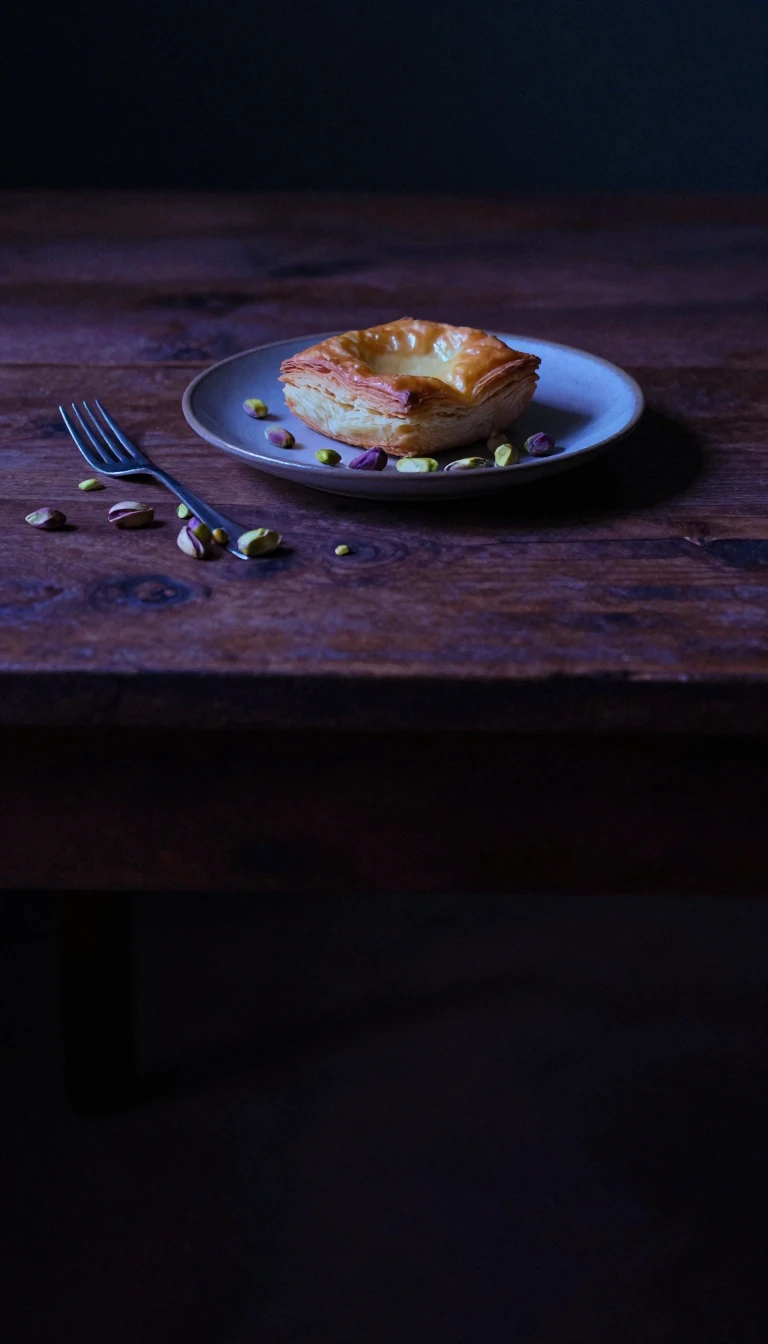
In short: Oladyi are thick, small pancakes that have anchored Russian and Ukrainian tables for centuries. While often enjoyed with sour cream or jam, these versatile fritters trace their linguistic lineage back to Ancient Greek. Their evolution from an oily substance to a beloved household staple reveals a fascinating culinary history.
The term oladyi, or oladi, refers to a category of thick pancakes or fritters central to Eastern Slavic culinary traditions. Traditionally prepared with wheat or buckwheat flour, eggs, milk, and a leavening agent like yeast or baking soda, the batter is often enriched with kefir, yoghurt, or soured milk. Beyond the classic recipe, the term is remarkably broad, encompassing various vegetable-based iterations such as potato, carrot, and summer squash fritters, as well as bean or rice pancakes. Even syrniki, the popular tvorog-based pancakes, are often classified under the oladyi umbrella.
The history of the dish is deeply embedded in Slavic culture, with the word oladya first appearing in historical records in 1470. By the 16th century, the dish received formal recognition in the Domostroy, a seminal Russian text detailing household management and culinary practices. Etymologically, the name is derived from the Ancient Greek word eladion, a diminutive of elaion, which translates to olive oil or an oily substance. This linguistic connection highlights the historical importance of frying in the development of these small, thick cakes.
The influence of this culinary tradition extends beyond Slavic borders. For instance, the Jewish potato pancake known as a latke shares a direct etymological link with the word oladka. Whether served as a sweet treat topped with honey, jam, or powidl, or presented as a savoury dish accompanied by caviar, oladyi remain a testament to the adaptability of simple ingredients. From their ancient roots to their inclusion in classic household guides like the 1901 work by Elena Molokhovets, these fritters continue to be a defining element of home cooking across the region.
Opens the Intellect+ feed with this card first. Swipe up for the next one.
Sources
- Summary by Intellect · source: Oladyi
To cite this card, link to https://intellectplus.co.uk/app/food-oladyi.
How we source, check and correct cards: Editorial standards.
General information, not professional advice. Spotted an error? Flag the card or see corrections and complaints.
Intellect Plus is a visual educational discovery platform for exploring fascinating facts and ideas. Brain Food, Not Brain Rot. What is Intellect Plus?
Related
More in Cooking, food and drink · More in Food & Drink · Latest · A–Z · All topics
