From Ancient Sanskrit Texts to Modern Street Stalls: The Enduring Legacy of the Pakora
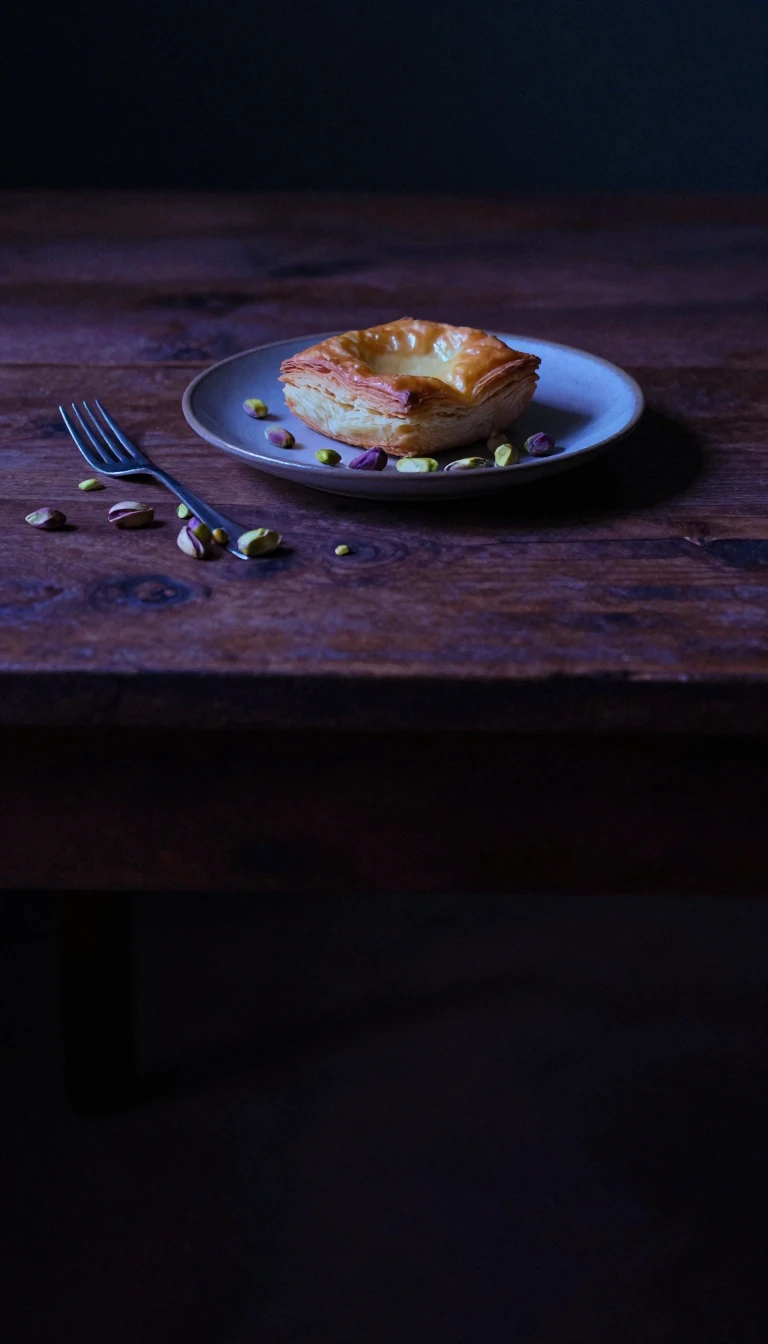
In short: The pakora is more than a simple fritter; it is a culinary tradition spanning centuries across the Indian subcontinent. From ancient Sanskrit literature to the bustling street stalls of South Asia, this crispy, spiced delight has evolved through diverse regional variations, proving that the perfect snack is truly timeless.
The etymology of the pakora traces back to the Sanskrit term pakvavaṭa, a compound of pakva, meaning cooked, and vaṭa, which refers to a small lump or a round pulse-based cake fried in oil or ghee. While the specific preparation methods were not always detailed in early texts, references to crispy fried vegetables and pulse cakes appear in both Sanskrit and Tamil Sangam literature. These early mentions highlight the dish's long-standing role as a staple component of traditional meals.
Formal documentation of the dish began appearing in medieval cookbooks. The Lokopakara, dating to 1025 CE, describes a unique method where gram flour was pressed into fish-shaped moulds before being fried in mustard oil. Shortly after, the 1130 CE Manasollasa cookbook provided a more recognizable recipe for Parika, detailing the use of vegetables combined with gram flour. These historical records demonstrate that the core concept of coating ingredients in a seasoned batter and deep-frying them has remained remarkably consistent for nearly a millennium.
Today, the versatility of the pakora is evident in its vast array of ingredients and regional nomenclature. While gram flour remains the standard base, cooks may incorporate rice or buckwheat flour, seasoning the batter with local spices like fenugreek, ginger, or turmeric. Ingredients range from potato, onion, and spinach to paneer, chicken, and even arbi root. Whether known as bhajji in Gujarat, bora in Manipur, or bajka in the Bhojpuri region, the pakora remains a beloved snack, frequently served alongside chutney, raita, or masala chai at celebratory events like Indian weddings.
The cultural significance of the dish is matched only by its adaptability. By utilizing whatever ingredients are locally available, the pakora has transcended its origins to become a ubiquitous feature of South Asian food culture. It serves as a testament to the ingenuity of home cooks and street vendors alike, who continue to refine and adapt this ancient fritter to suit modern tastes and regional traditions.
Opens the Intellect+ feed with this card first. Swipe up for the next one.
Sources
- Summary by Intellect · source: Pakora
To cite this card, link to https://intellectplus.co.uk/app/food-pakora.
How we source, check and correct cards: Editorial standards.
General information, not professional advice. Spotted an error? Flag the card or see corrections and complaints.
Intellect Plus is a visual educational discovery platform for exploring fascinating facts and ideas. Brain Food, Not Brain Rot. What is Intellect Plus?
Related
More in Cooking, food and drink · More in Food & Drink · Latest · A–Z · All topics
