Polish cuisine is a resilient, eclectic tapestry shaped by ten centuries of cultural exchange.
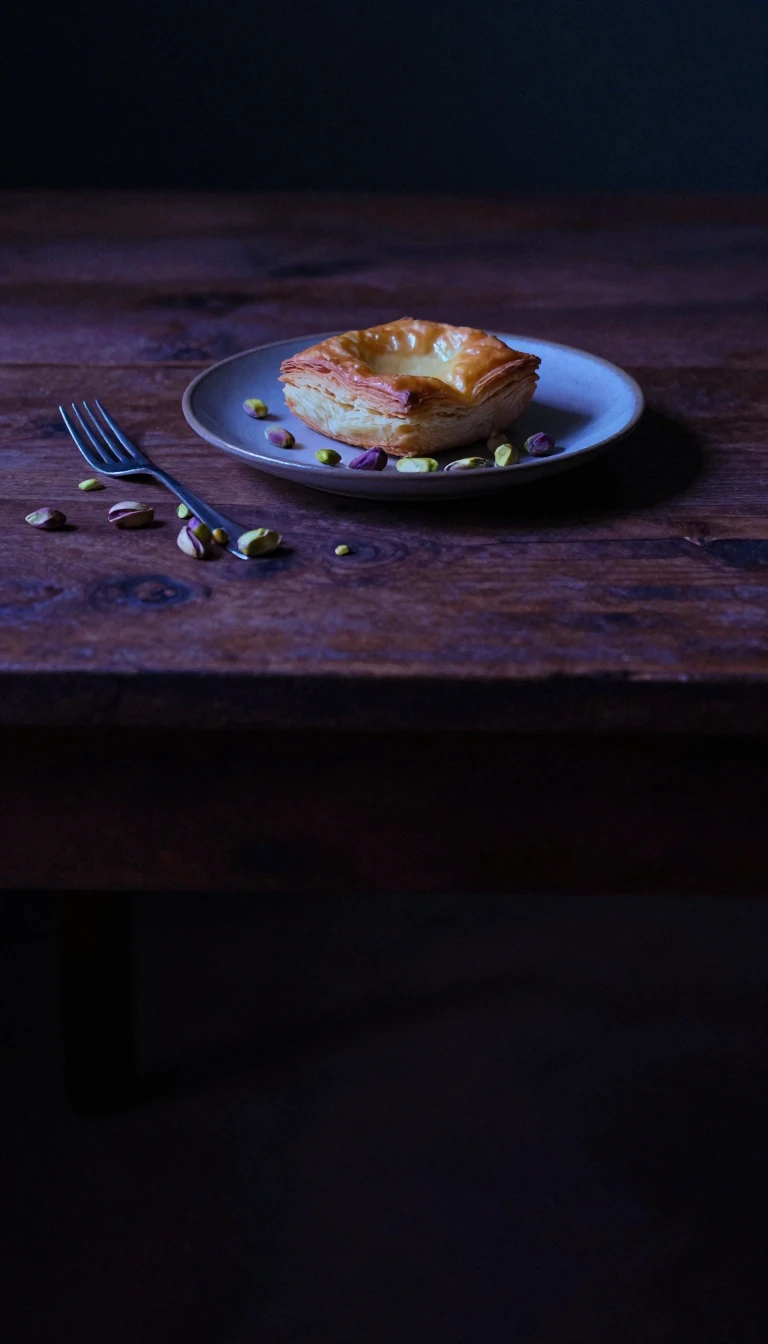
In short: From medieval honey-braised bear paws to the modern resurgence of traditional recipes, Polish food is far more than just pierogi. It is a complex culinary history defined by trade routes, royal courts, and the endurance of regional specialties that survived decades of communist-era homogenization to reclaim their place today.
Polish cuisine evolved over ten centuries, blending agricultural traditions with influences from trade routes and cultural exchanges. In the Middle Ages, the diet was heavy and spicy, relying on cereals like millet and rye, forest fungi, and game. The nobility enjoyed exotic delicacies, while the widespread use of salt from the Wieliczka Salt Mine and the consistent presence of groats defined the era. By the 16th century, the court of Queen Bona Sforza had introduced a wider variety of vegetables and fruits, though records indicate that earlier monarchs, such as Władysław II Jagiełło, had already enjoyed diverse produce like lettuce and turnips.
The Polish–Lithuanian Commonwealth era brought further sophistication, particularly through French and Italian influences. Following the arrival of Marie Louise Gonzaga in 1646, French culinary styles became fashionable among the aristocracy, who employed French cooks and patissiers. Simultaneously, Armenian trade routes introduced Western Asian flavors, including coffee and various spices. This period also saw the publication of the oldest surviving Polish cookbook, Compendium ferculorum, in 1682. However, the subsequent partitions and the 20th-century communist era imposed significant constraints. During the latter, food shortages and state-run canteens led to a period of culinary homogeneity, where traditional ingredients were rationed and foreign influences were largely severed.
Since the fall of communism in 1989, Poland has experienced a vibrant culinary revival. Traditional dishes like bigos, pierogi, and żurek have returned to prominence, while regional specialties—such as oscypek from the Tatra Mountains or the cebularz of Lublin—have gained renewed appreciation. Today, the country boasts a diverse food landscape that balances deep-rooted historical recipes with modern slow food movements. In a 2023 survey by TasteAtlas, Polish cuisine was ranked 11th among the best in the world, reflecting its successful transition from a period of scarcity to a celebrated, eclectic national identity.
Opens the Intellect+ feed with this card first. Swipe up for the next one.
Sources
- Summary by Intellect · source: Polish cuisine
To cite this card, link to https://intellectplus.co.uk/app/food-polish-cuisine.
How we source, check and correct cards: Editorial standards.
General information, not professional advice. Spotted an error? Flag the card or see corrections and complaints.
Intellect Plus is a visual educational discovery platform for exploring fascinating facts and ideas. Brain Food, Not Brain Rot. What is Intellect Plus?
Related
More in Cooking, food and drink · More in Food & Drink · Latest · A–Z · All topics
