Why salt was once the most powerful technology for human survival at sea
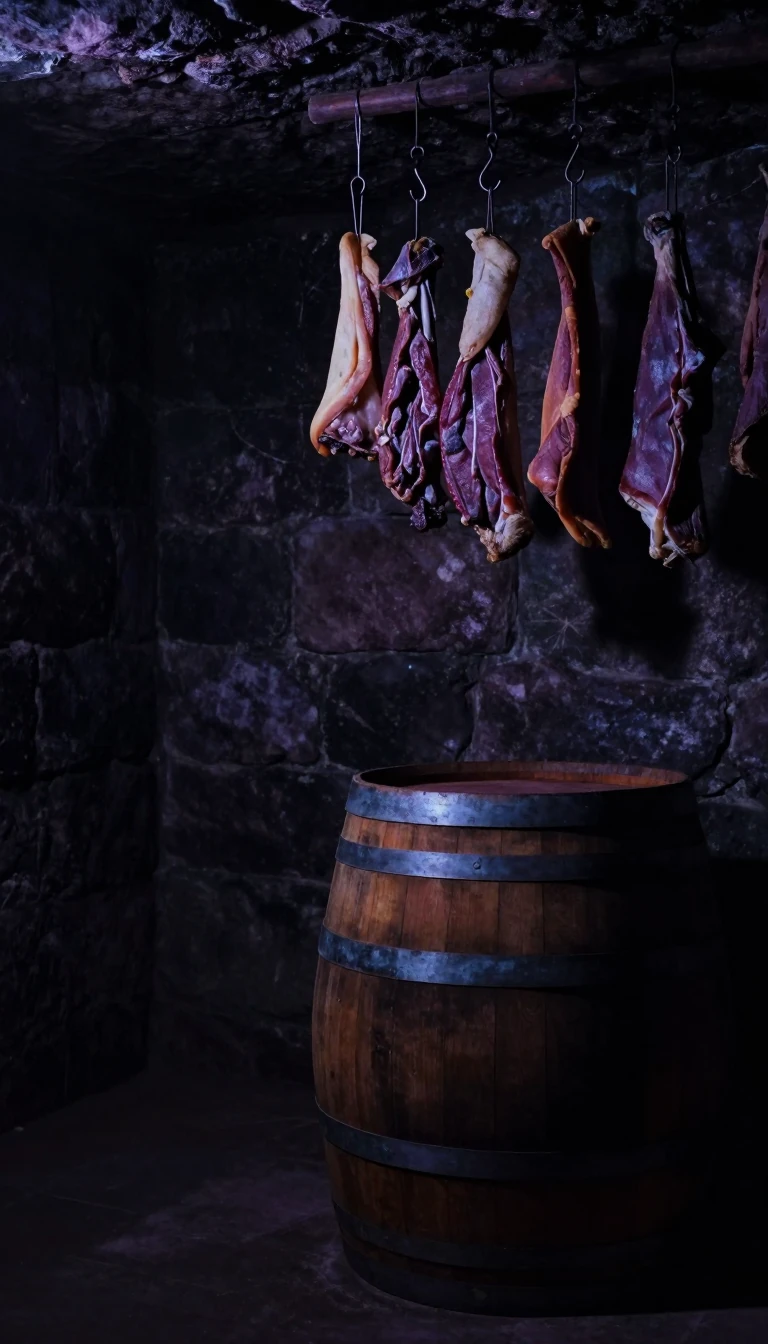
In short: Before refrigeration, salt was the difference between life and starvation. By creating a hypertonic environment, salt dehydrates microbial cells through osmosis, effectively killing the bacteria that cause decay. From the Age of Sail to the 20th century, this ancient preservation method kept mariners alive on long, perilous voyages.
Salting works by drawing moisture out of living cells, making it impossible for bacteria and fungi to survive. To effectively kill most unwanted microorganisms, a salt concentration of up to 20% is typically required. While dry salt was the traditional standard, brining—using salt-saturated water—offered an alternative for curing meats and vegetables. In the 14th century, this process was already sophisticated enough to include boiling meat in brine before dry-salting it for long-term storage in barrels.
During the Age of Sail, salted beef and pork were staples for sailors on voyages that could last over 100 days. This reliance on salt-cured proteins continued well into the 20th century; as late as 1938, the tall ship Moshulu still relied on a diet consisting almost entirely of salted meat. The process was so common that preserved meat was frequently nicknamed 'junk' or 'salt horse.' By the 19th century, producers began adding nitrates like saltpeter to the mix, not just for preservation, but to turn the meat a vibrant red, a color that consumers strongly preferred over the natural grey.
While salting enabled global exploration and provided essential protein in regions ranging from the Arctic to West Africa, it carries significant health consequences. Modern research from organizations like the American Institute for Cancer Research and the World Cancer Research Fund indicates that high consumption of salt-preserved foods is linked to an increased risk of stomach cancer. The high salt content can damage the stomach's mucosal lining, and excessive intake is also known to have a dose-response relationship with elevated blood pressure and cardiovascular disease. Today, while salting remains a culinary tradition, it has largely been superseded by refrigeration and advanced climate-controlled preservation technologies.
Beyond preservation, salt plays a specific role in religious dietary laws. In Jewish Shechita, salt is all but required to remove blood from meat, a practice also found in some Muslim traditions, though draining alone is often sufficient for Halal Dhabiha. Whether used for ritual purity or as a survival necessity, salt has remained a fundamental, if double-edged, tool in human history.
Opens the Intellect+ feed with this card first. Swipe up for the next one.
Sources
- Summary by Intellect · source: Salting (food)
To cite this card, link to https://intellectplus.co.uk/app/food-salting-food.
How we source, check and correct cards: Editorial standards.
General information, not professional advice. Spotted an error? Flag the card or see corrections and complaints.
Intellect Plus is a visual educational discovery platform for exploring fascinating facts and ideas. Brain Food, Not Brain Rot. What is Intellect Plus?
Related
More in Cooking, food and drink · More in Food & Drink · Latest · A–Z · All topics
