How a ballroom competition uses a complex quadruple diegesis to captivate audiences
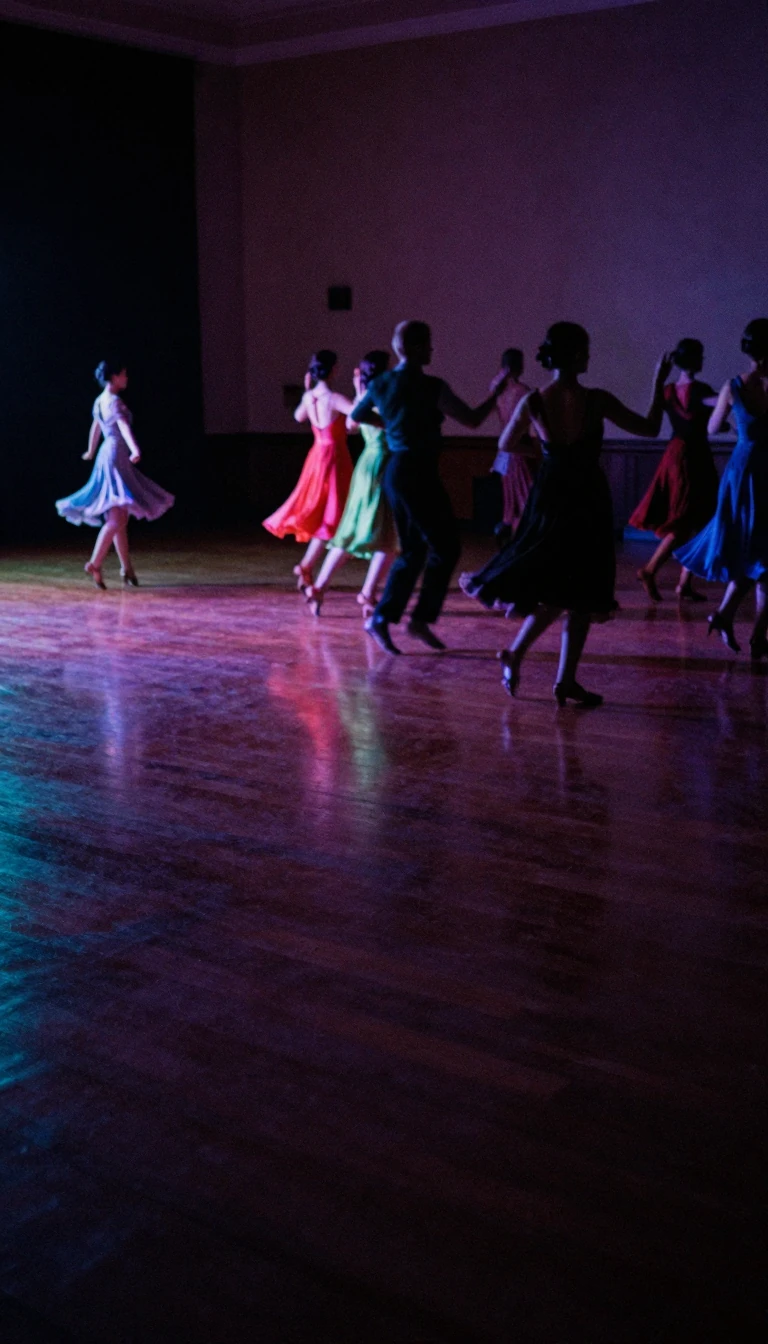
In short: Beyond the glitter and sequins, Strictly Come Dancing operates with a sophisticated structural design. By blending reality training, scripted skews, competitive dancing, and musical performances, the show creates a unique narrative layer that serves as a modern substitute for the classic Hollywood musical genre.
While often dismissed as lightweight entertainment, the structure of Strictly Come Dancing functions through what scholars call a 'quadruple diegesis.' This complex framework integrates four distinct layers: the competitive ballroom sequences, musical guest performances, reality-style training segments, and scripted skits. This episodic construction allows the show to swing between the high-stakes tension of a talent competition and the lighthearted fun of a variety show. The judging panel for this series included Shirley Ballas, Motsi Mabuse, and Craig Revel Horwood, with Anton Du Beke joining the panel to replace Bruno Tonioli.
This structural sophistication is particularly evident in how the show manages its narrative. By moving between the 'lives' of the contestants and the spectacle of the dance floor, the program creates a postmodern hybrid. It bridges the gap between the reality-style challenges of ballroom training and the grander, more fantastical elements of a musical, effectively replacing the largely extinct film musical genre for contemporary viewers. The competition's scoring system relies on a combination of judges' marks and public votes, where the two couples with the lowest total points must face a dance-off to remain in the series.
The show also serves as a significant platform for social representation. The nineteenth series, which launched on 18 September 2021, featured the first male same-sex couple in the programme's history, John Whaite and Johannes Radebe. Such moments of mainstreaming allow for the exploration of authentic, inclusive representation within the traditional, often normative, frameworks of ballroom dancing. The 2021 season also marked a milestone for accessibility, as Rose Ayling-Ellis became the first deaf contestant to participate in the competition.
Opens the Intellect+ feed with this card first. Swipe up for the next one.
Sources
- Summary by Intellect · source: Strictly Come Dancing series 19
- Also: Strictly Come Dancing and the Postmodern Musical Aesthetic.
- Also: Media Culture & Society — LGBT+ mainstreaming on strictly come dancing: Queering the norms of ballroom dancing · cc-by
To cite this card, link to https://intellectplus.co.uk/app/food-strictly-come-dancing-series-19.
How we source, check and correct cards: Editorial standards.
General information, not professional advice. Spotted an error? Flag the card or see corrections and complaints.
Intellect Plus is a visual educational discovery platform for exploring fascinating facts and ideas. Brain Food, Not Brain Rot. What is Intellect Plus?
Related
More in Vegetarian & vegan · More in Food & Drink · Latest · A–Z · All topics
