Beyond the Kebab: The Deeply Rooted Culinary Heritage of Turkish Cuisine
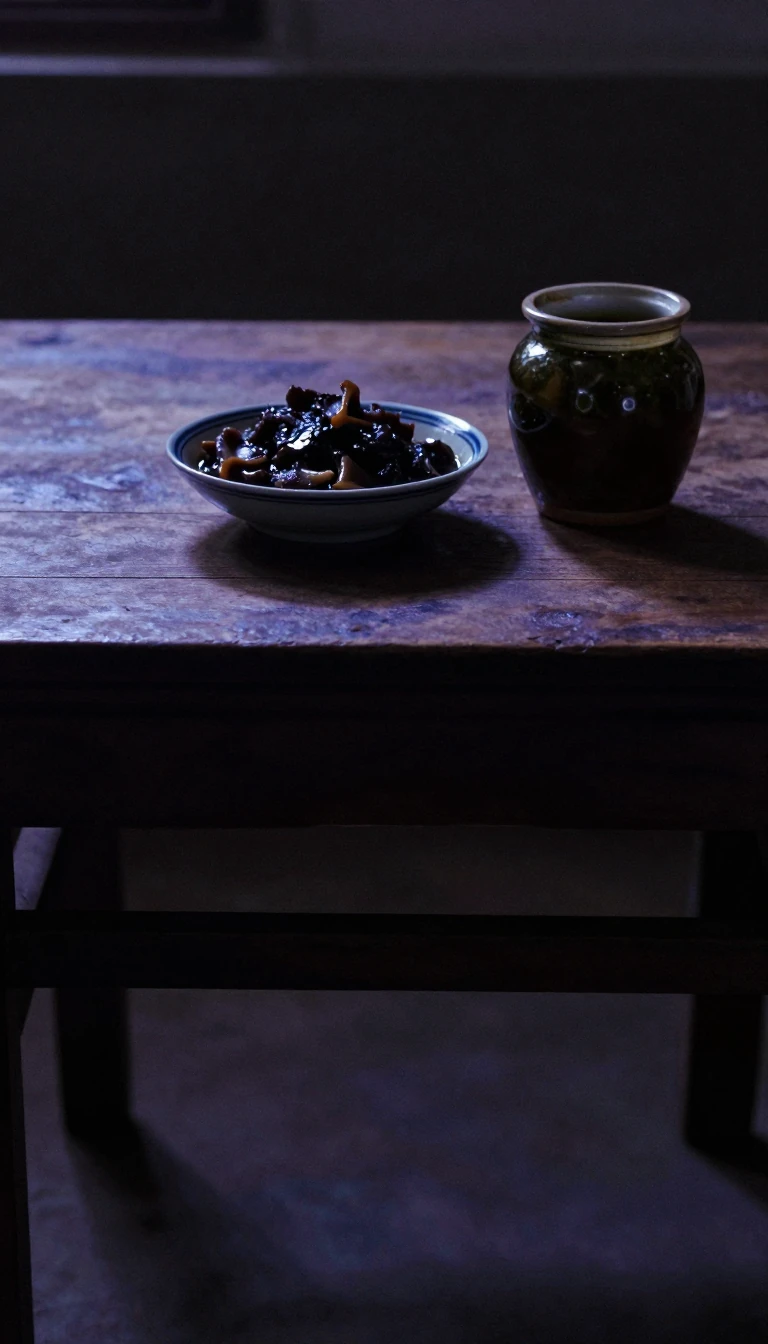
In short: While international menus often reduce Turkish food to grilled meats, the reality is a vast, regional tapestry. From the olive-oil-rich Aegean coast to the spice-forward southeast, Turkish cuisine is a sophisticated synthesis of Central Asian, Mediterranean, and Middle Eastern traditions, anchored by rice, vegetables, and an incredible variety of cheeses.
Turkish cuisine is not a monolith but a collection of regional identities shaped by geography and history. The Ottoman Empire acted as a culinary melting pot, synthesizing Central Asian traditions with local Mediterranean and Middle Eastern influences. While kebabs are the most visible export, domestic meals typically center on vegetables, legumes, and grains. In the west, olive oil reigns supreme, fueling a diet rich in fresh herbs and fish. Conversely, the southeast is defined by its mastery of dough-based desserts and complex spice profiles, while the Black Sea region relies heavily on maize and the local anchovy, hamsi.
The role of dairy, particularly yogurt, is foundational. The very word 'yogurt' is of Turkish origin, and the ingredient serves as a versatile companion to everything from savory kebabs and stuffed vegetables to soups and pastries. Beyond yogurt, Turkey boasts an impressive diversity of cheese, with 193 varieties identified, though only eight currently hold geographical indications. These range from the ubiquitous, brined beyaz peynir—similar to feta—to the hard, grater-friendly Mihaliç peyniri and the artisanal, skin-bag-aged tulum. Many of these cheeses are regional specialties, reflecting the specific flora and livestock of areas like Van, Kars, and Diyarbakır.
The modern understanding of this culinary history is relatively recent. Serious academic study only gained momentum in the 1980s, spurred by state-sponsored symposia that sought to frame Turkish food within a 'historical continuum' stretching back to Central Asian origins. This followed earlier efforts by figures like Süheyl Ünver, whose 1948 work, 'Fifty Dishes in Turkish History', helped preserve recipes from 18th-century manuscripts. Today, while fast food is gaining a foothold, the preference for homemade, traditional dishes remains strong, sustained by the esnaf lokantası—modest, affordable restaurants that serve as the backbone of daily dining for many across the country.
Opens the Intellect+ feed with this card first. Swipe up for the next one.
Sources
- Summary by Intellect · source: Turkish cuisine
To cite this card, link to https://intellectplus.co.uk/app/food-turkish-cuisine.
How we source, check and correct cards: Editorial standards.
General information, not professional advice. Spotted an error? Flag the card or see corrections and complaints.
Intellect Plus is a visual educational discovery platform for exploring fascinating facts and ideas. Brain Food, Not Brain Rot. What is Intellect Plus?
Related
More in Cooking, food and drink · More in Food & Drink · Latest · A–Z · All topics
