Nature's most deceptive perfume is the scent of rotting meat
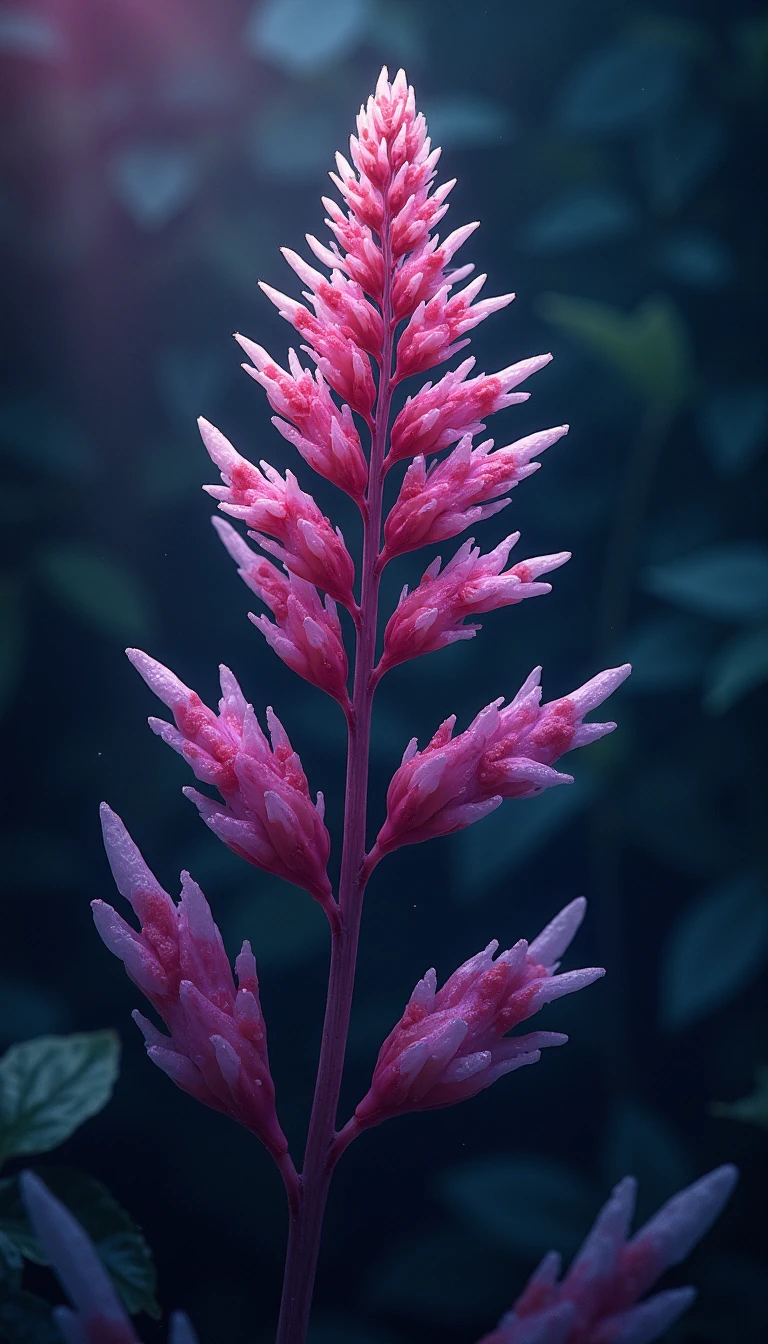
In short: Some of the world's most striking plants have evolved a gruesome strategy to survive. By mimicking the stench of decaying flesh, these flowers trick scavenging insects into performing the vital task of pollination. It is a masterclass in biological mimesis, where death becomes a tool for life.
Carrion flowers utilize a strategy known as mimesis, where they evolve physical and chemical traits to imitate a decaying corpse. This deception is primarily designed to attract scavenging flies and beetles. For example, plants in the genus Stapelia—succulent plants native to southern Africa—produce hairy, textured flowers that emit an unpleasant carrion odor. This specific olfactory lure ensures that pollinators, which are naturally drawn to rotting organic matter, visit the blooms to facilitate reproduction.
The diversity of these plants is vast, ranging from small succulents to massive parasitic giants. The genus Rafflesia includes R. arnoldii, a parasitic plant found in the rainforests of Borneo and Sumatra. This rare bloom can reach 90 centimetres (3 ft) across and weigh up to 7 kilograms (15 lb). Unlike most plants, it lacks leaves, roots, or stems, obtaining water and nutrients from a host vine. Similarly, the genus Amorphophallus features the Titan arum, which possesses the world's largest unbranched inflorescence. This plant even employs a thermogenic mechanism to heat its spadix, intensifying the odor of rotting flesh to attract 'flesh flies' and beetles.
While many associate carrion flowers with large, exotic blooms, the name also applies to smaller species like the North American Smilax herbacea. These herbaceous vines produce clusters of small greenish flowers. In some species, the mimesis is so effective that the flowers may temporarily trap insects to ensure pollen transfer. This evolutionary trade-off highlights a fascinating biological reality: in the competitive world of pollination, the most effective way to get noticed is sometimes to look—and smell—like something that is dying.
Opens the Intellect+ feed with this card first. Swipe up for the next one.
Sources
- Summary by Intellect · source: Starfish flower | Stapelia, Carrion Flower, Description, Smell, Genus, & Facts | Britannica
- Also: Carrion flower
- Also: Carrion-flower (Smilax herbacea)
To cite this card, link to https://intellectplus.co.uk/app/gardening-carrion-flower.
How we source, check and correct cards: Editorial standards.
General information, not professional advice. Spotted an error? Flag the card or see corrections and complaints.
Intellect Plus is a visual educational discovery platform for exploring fascinating facts and ideas. Brain Food, Not Brain Rot. What is Intellect Plus?
Related
More in Pollination · More in Gardening · Latest · A–Z · All topics
