The vast, hidden lineage that links microscopic algae to the world's towering forests
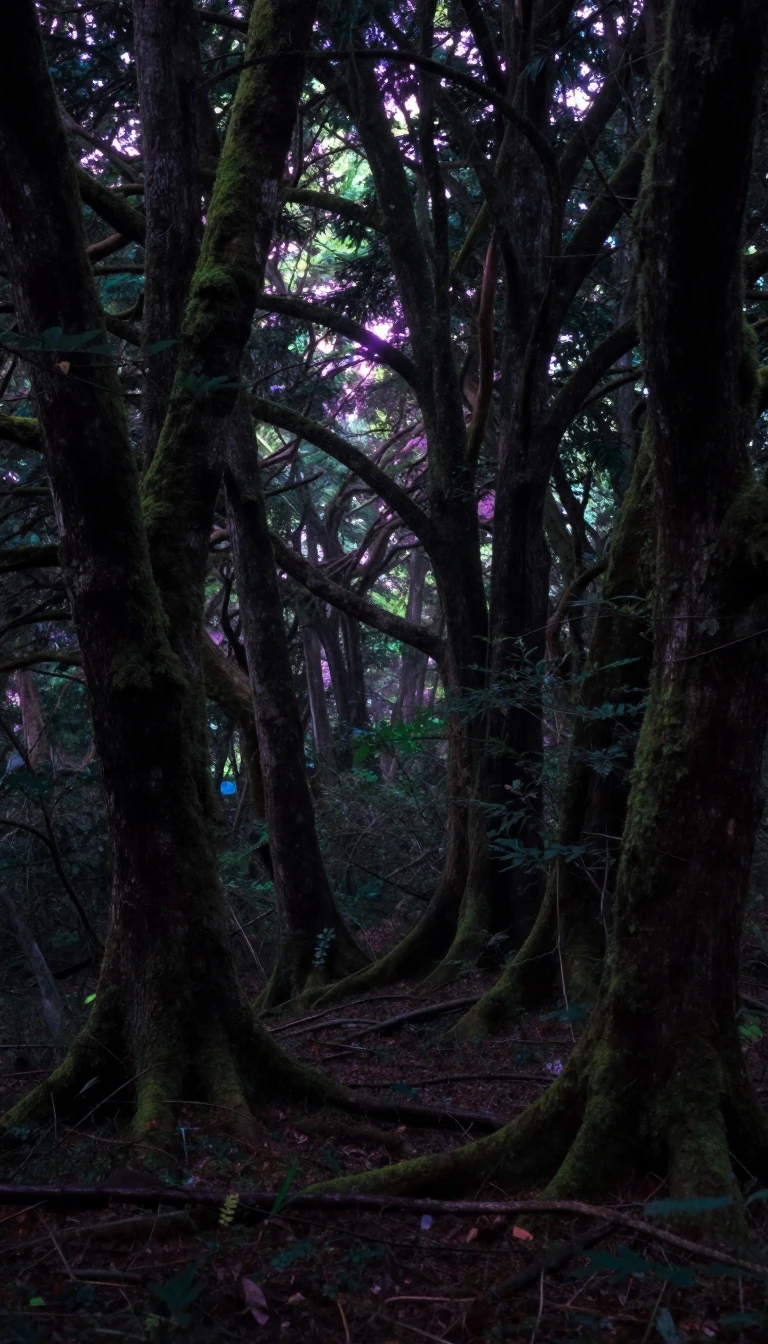
In short: Diaphoretickes is a massive evolutionary clade containing over 600,000 species, ranging from single-celled protozoa to complex land plants. While they appear wildly different, these organisms share ancient cellular traits that define their identity. Discover the hidden biological architecture that connects the planet's most diverse and essential life forms.
Defined in the 21st century through molecular phylogenetics, the Diaphoretickes clade encompasses a staggering array of life, including the Archaeplastida (plants and their relatives), the SAR supergroup, Haptista, and Cryptista. This group represents the majority of Earth's biomass, with land plants alone accounting for over 81% of the total. Despite their morphological disparity, members are united by ancestral characteristics, such as the presence of cortical alveoli—flattened vesicles beneath the cell membrane—and specific flagellar hairs.
The evolutionary history of the group is marked by the independent acquisition of photosynthesis. While Archaeplastida gained chloroplasts through primary endosymbiosis with a cyanobacterium, other lineages acquired them later via secondary endosymbiosis. This complex history led to the now-obsolete classification of 'chromalveolates,' a term once used to group photosynthetic organisms that were later found to be non-monophyletic. Today, the clade is defined by its position on the tree of life rather than just its ability to photosynthesize, distinguishing it from other major eukaryotic groups like the Opisthokonta, which includes animals and fungi.
Relationships within the clade remain a subject of active research. Recent analyses suggest that Cryptista and the heliozoan Microheliella maris form the Pancryptista clade, which is the closest relative to Archaeplastida. Meanwhile, the exact placement of smaller groups like provorans and hemimastigotes continues to be tested. Molecular clock estimates suggest this massive lineage diverged from other eukaryotes between 2.2 and 1.6 billion years ago, during the Paleoproterozoic era, though the fossil record for this period remains sparse and debated.
The naming of this group has not been without controversy. While the International Society of Protistologists formally established the name Diaphoretickes in 2012, some researchers, including the late Thomas Cavalier-Smith, argued for the use of the term Corticata. Despite these naming disputes, the scientific consensus recognizes the clade as a fundamental branch of eukaryotic life, encompassing nearly all organisms capable of photosynthesis and providing a framework for understanding the evolution of complex cellular structures.
Opens the Intellect+ feed with this card first. Swipe up for the next one.
Sources
- Summary by Intellect · source: Diaphoretickes
To cite this card, link to https://intellectplus.co.uk/app/gardening-diaphoretickes.
How we source, check and correct cards: Editorial standards.
General information, not professional advice. Spotted an error? Flag the card or see corrections and complaints.
Intellect Plus is a visual educational discovery platform for exploring fascinating facts and ideas. Brain Food, Not Brain Rot. What is Intellect Plus?
Related
More in Other eukaryotes · More in Gardening · Latest · A–Z · All topics
