Fungi are not plants, but they are our closest ancient evolutionary cousins
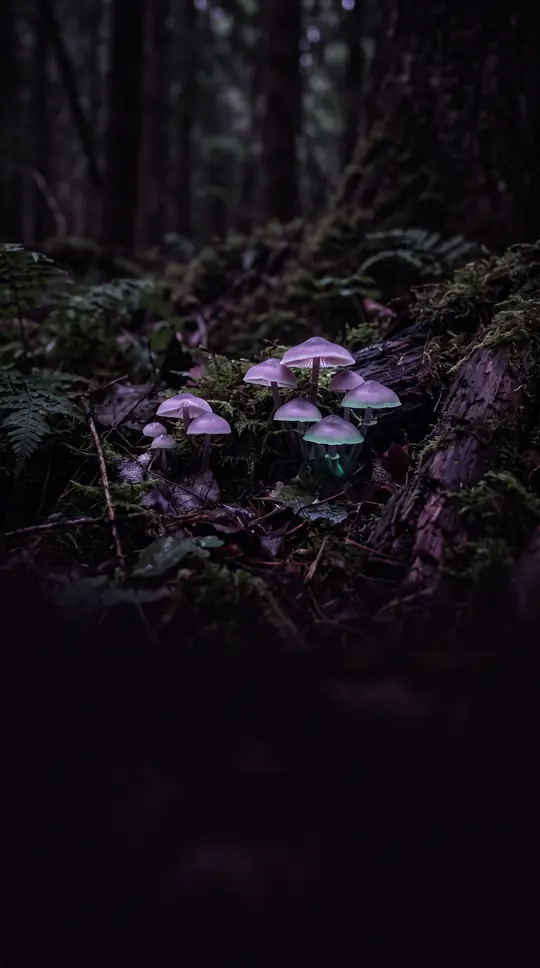
In short: For centuries, we misclassified fungi as simple plants. Modern genetics reveals a different story: fungi are a distinct kingdom that diverged from animals nearly a billion years ago. These organisms are not just decomposers; they are complex, ancient masters of survival that shaped the development of life on land.
Fungi represent a unique lineage of eukaryotes that split from the common ancestor shared with animals roughly 800 million to 900 million years ago. While they were historically grouped with plants due to their stationary nature, they are fundamentally different. Unlike plants, which rely on photosynthesis, fungi survive by secreting enzymes to digest nutrients externally. Their cellular structure also sets them apart; while plant cell walls are built from cellulose, fungal walls are composed of chitin, and their membranes utilize ergosterol rather than the cholesterol found in animals.
The fossil record for fungi is notoriously sparse because their soft, fleshy tissues rarely survive intact. However, evidence suggests they may have appeared as early as one billion years ago. Some of the most significant early findings include filamentous fossils like Tortotubus protuberans from the Silurian Period, roughly 440 million years ago. During the Devonian Period, between 419.2 million and 358.9 million years ago, massive organisms known as Prototaxites dominated landscapes, and many researchers now interpret these as giant saprotrophic fungi.
Modern mycology has been transformed by molecular phylogenetics, which uses gene sequencing to map evolutionary relationships. This shift has corrected long-standing errors, such as the previous classification of water molds and slime molds as fungi; these are now recognized as distinct groups. Today, the kingdom is defined by its monophyletic nature, meaning all modern species descend from a single ancestor. This evolutionary history is marked by key innovations, such as the development of the pileate-stipitate fruiting body—the classic mushroom shape—which drove rapid diversification during the Jurassic period as coniferous forests expanded.
The success of fungi lies in their metabolic versatility and their ability to thrive in diverse ecological niches. By forming symbiotic relationships, such as ectomycorrhizal associations with plant roots, they have fueled explosive diversification across the globe. From their origins in aquatic environments to their conquest of terrestrial ecosystems, fungi have evolved into essential decomposers, pathogens, and mutualists that underpin the health of modern forests, agricultural systems, and global nutrient cycles.
Opens the Intellect+ feed with this card first. Swipe up for the next one.
Sources
- Summary by Intellect · source: Fungus - Evolution, Phylogeny, Eukaryotes | Britannica
- Also: Evolution of fungi
To cite this card, link to https://intellectplus.co.uk/app/gardening-evolution-of-fungi.
How we source, check and correct cards: Editorial standards.
General information, not professional advice. Spotted an error? Flag the card or see corrections and complaints.
Intellect Plus is a visual educational discovery platform for exploring fascinating facts and ideas. Brain Food, Not Brain Rot. What is Intellect Plus?
Related
More in Fungi · More in Gardening · Latest · A–Z · All topics
