Why the global definition of a fishery includes everything from kelp to jellyfish
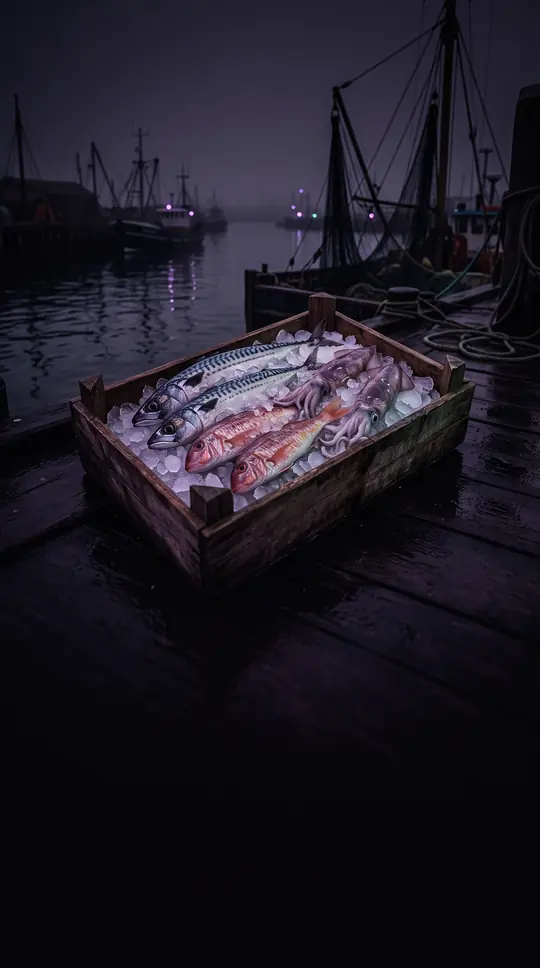
In short: A fishery is not just a place where fish are caught. It is a complex economic engine involving 500 million people, ranging from industrial fleets to small-scale harvesters. While we often think of finfish, the term encompasses everything from crustaceans to aquatic plants, all governed by shifting international regulations.
In the language of global food production, the term fishery is surprisingly expansive. While biology defines fish as aquatic vertebrates with gills, the fisheries sector uses a much broader collective definition. This includes mollusks, crustaceans, echinoderms, and even aquatic plants like kelp. This classification reflects economic utility rather than taxonomy; historically, naturalists even grouped whales and hippopotamuses under the umbrella of fish. Today, the industry relies on a small number of species, such as tuna, cod, and shrimp, to support the vast majority of global production.
The sector is divided into three primary categories: commercial, recreational, and subsistence. While marine environments account for about 90% of the total catch, inland fisheries remain vital for food security, particularly in Asia and Africa. In 2022, inland production reached a record 12.3 million tonnes. Despite this, small-scale fisheries are the true backbone of the workforce, supporting 90% of those involved in capture fishing. Women play a significant role here, representing 40% of the workforce in these smaller operations and 45% of those engaged in subsistence fishing.
The industry faces profound challenges, including overfishing, marine pollution, and the degradation of coastal ecosystems. Climate change further complicates these issues, potentially shifting the geographic range of various species while threatening the sustainability of others. Global policy, specifically Sustainable Development Goal 14, aims to address these risks by promoting the preservation of coastal habitats and more sustainable economic practices. As production continues to grow, the industry is increasingly looking toward aquaculture to bridge the gap between rising global demand and the limitations of wild capture fisheries.
Opens the Intellect+ feed with this card first. Swipe up for the next one.
Sources
- Summary by Intellect · source: Fishery
To cite this card, link to https://intellectplus.co.uk/app/gardening-fishery.
How we source, check and correct cards: Editorial standards.
General information, not professional advice. Spotted an error? Flag the card or see corrections and complaints.
Intellect Plus is a visual educational discovery platform for exploring fascinating facts and ideas. Brain Food, Not Brain Rot. What is Intellect Plus?
Related
More in Agriculture · More in Gardening · Latest · A–Z · All topics
