Why the flowers in your home are the result of high-tech global engineering
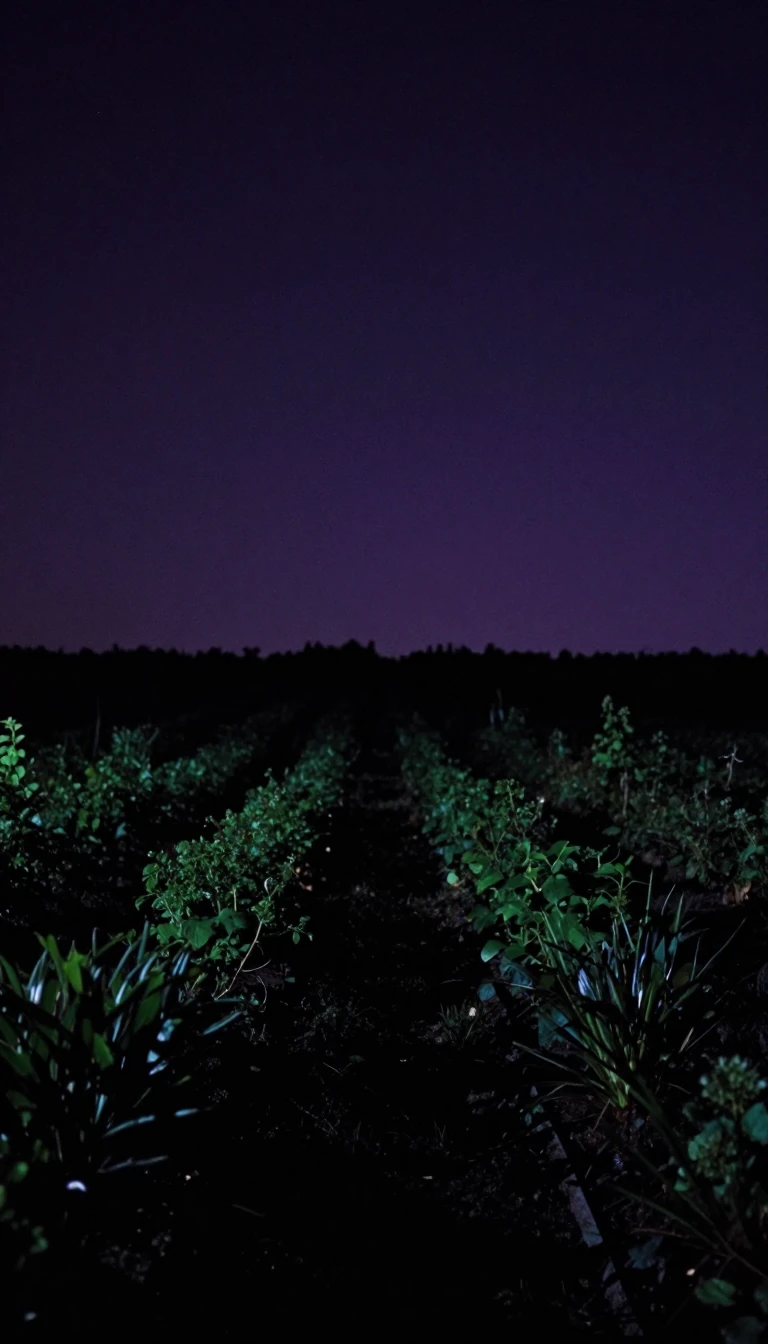
In short: Floriculture is far more than simple gardening. It is a sophisticated, multi-billion dollar branch of controlled-environment agriculture. By manipulating light, temperature, and genetics, scientists and growers have transformed how we produce flowers, moving from traditional field soil to high-tech greenhouses that operate with the precision of a factory.
Modern floriculture relies on the precise control of a plant's environment to ensure blooms appear exactly when needed for global celebrations. This practice builds on centuries of experience, such as the 3,000-year history of chrysanthemum cultivation in China. Today, scientists use photoperiodism—the physiological response to day length—to manage flowering. By using black cloth to shorten days or artificial lighting to extend them, growers can force plants to bloom on schedule. The introduction of the daily light integral (DLI) has further standardized how much radiant energy a plant needs for optimal growth, while LED technology now allows for the specific manipulation of light quality.
The industry has undergone a massive shift in production methods since the 1950s. As bedding plant businesses expanded, the need for smaller containers led to the development of specialized growing media. Traditional field soil was prone to overwatering in small pots, prompting the creation of 'peat-lite' mixes using materials like sphagnum moss, vermiculite, and perlite. This move toward soil-less media was heavily influenced by hydroponic research. Today, sustainability is a major focus, as the industry seeks alternatives to peat, such as wood fiber, coco coir, and pine bark, to mitigate environmental concerns.
Technological advancements have also revolutionized plant health and propagation. Plant tissue culture, which emerged in the mid-20th century, allows for the rapid production of unique genotypes and the creation of virus-indexed plants through heat treatment. Meanwhile, the industry is grappling with the environmental impact of its practices. Pesticide residues and the use of neonics, which can harm pollinators, are significant concerns. Consequently, research is increasingly focused on biological controls for pests and pathogens, aiming to reduce chemical reliance while maintaining the high-value output required for a global market estimated at US$50.04 billion in 2022.
Opens the Intellect+ feed with this card first. Swipe up for the next one.
Sources
- Summary by Intellect · source: Floriculture
To cite this card, link to https://intellectplus.co.uk/app/gardening-floriculture.
How we source, check and correct cards: Editorial standards.
General information, not professional advice. Spotted an error? Flag the card or see corrections and complaints.
Intellect Plus is a visual educational discovery platform for exploring fascinating facts and ideas. Brain Food, Not Brain Rot. What is Intellect Plus?
Related
More in Agriculture · More in Gardening · Latest · A–Z · All topics
