Why this ancient, obligate parasite cannot survive outside of your own living cells
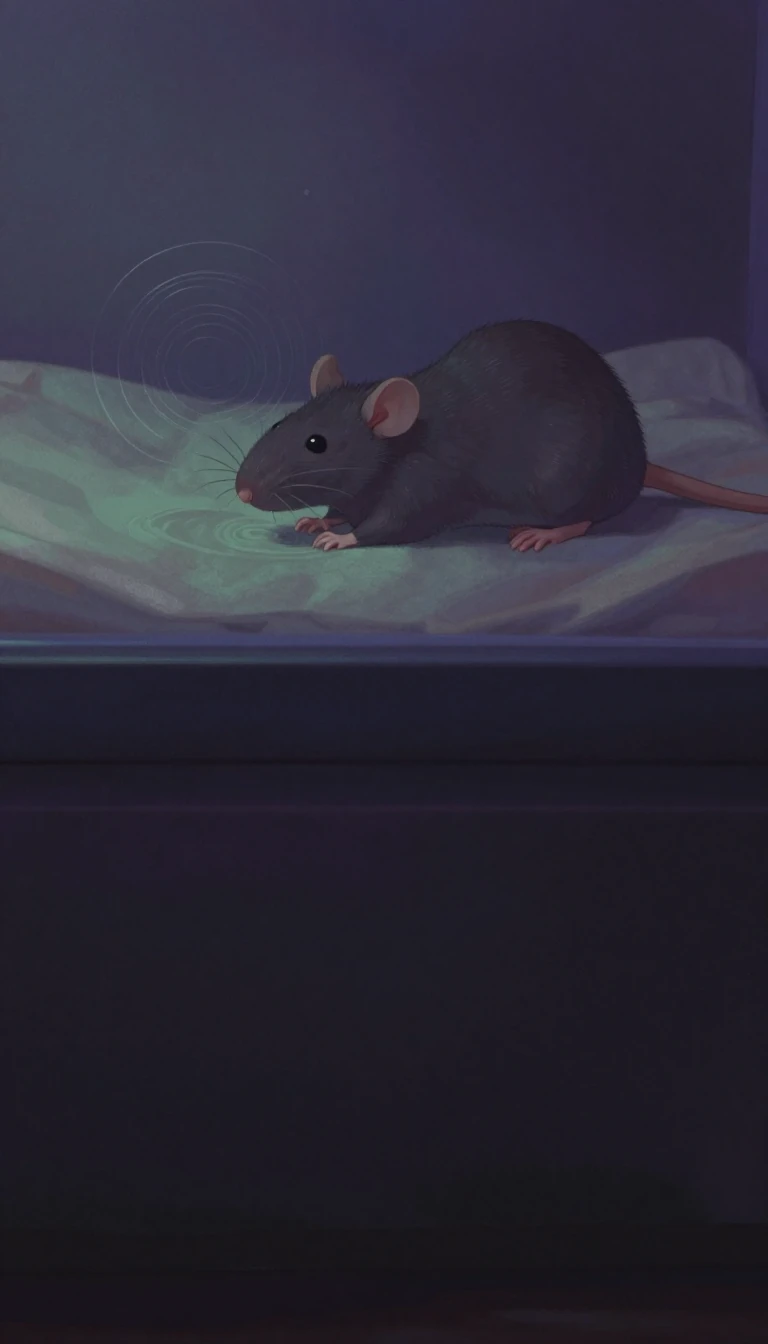
In short: Mycobacterium leprae is a master of biological minimalism. By shedding genes it no longer needs, this bacterium has evolved into an obligate intracellular parasite. It cannot grow in a lab dish, relying entirely on the machinery of human skin and nerve cells to survive, replicate, and evade our immune systems.
Discovered by Gerhard Armauer Hansen in 1873, Mycobacterium leprae is the primary cause of leprosy, a chronic infectious disease that targets the skin, peripheral nerves, eyes, and upper respiratory tract. Unlike most bacteria, it is an obligate intracellular organism, meaning it is biologically incapable of independent survival. Its genome has undergone significant reductive evolution, resulting in a massive collection of pseudogenes—genetic remnants that no longer function. This decay has stripped the pathogen of the ability to synthesize certain nutrients or perform basic metabolic tasks, forcing it to hijack host cells like dermal histiocytes and Schwann cells to thrive.
The bacterium’s reliance on its host is absolute. Because it cannot be cultured in cell-free laboratory media, researchers have historically relied on animal models, such as mouse footpads or nine-banded armadillos, to study its behavior. Its replication is remarkably slow, with a doubling time of 12 to 14 days, a stark contrast to the rapid division of other bacteria. This sluggish pace is partly due to its complex, waxy cell wall, which is rich in lipids. M. leprae has evolved to prioritize lipid metabolism, effectively scavenging host-derived intermediates to fuel its growth while remaining hidden from the host's immune surveillance.
Clinical manifestations of leprosy are diverse, ranging from pale skin lesions to severe peripheral neuropathy. The disease is classified into types based on the host's immune response, with tuberculoid forms showing strong cellular immunity and lepromatous forms characterized by high humoral immunity. While multidrug therapy (MDT) is highly effective at killing the pathogen, the damage caused by the host's own immune reaction—often triggered by the presence of the bacteria—can lead to permanent disability. Despite global efforts to eradicate the disease, M. leprae remains a persistent challenge, with around 200,000 new cases reported annually and concerns regarding the emergence of drug-resistant strains.
Opens the Intellect+ feed with this card first. Swipe up for the next one.
Sources
- Summary by Intellect · source: Pathogenicity and virulence of Mycobacterium leprae
- Also: Leprosy
- Also: Mycobacterium leprae
To cite this card, link to https://intellectplus.co.uk/app/gardening-mycobacterium-leprae.
How we source, check and correct cards: Editorial standards.
General information, not professional advice. Spotted an error? Flag the card or see corrections and complaints.
Intellect Plus is a visual educational discovery platform for exploring fascinating facts and ideas. Brain Food, Not Brain Rot. What is Intellect Plus?
Related
More in Prokaryotes · More in Gardening · Latest · A–Z · All topics
