Why modern agriculture is turning to managed pollination to secure global food yields
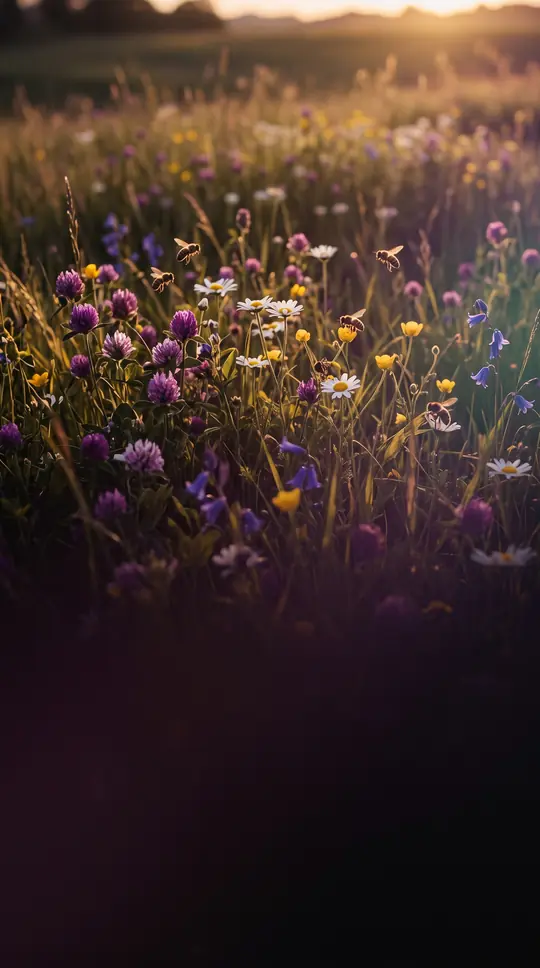
In short: As wild pollinator populations dwindle, farmers can no longer rely on nature to fertilize their crops. Pollination management—the strategic deployment of bees, insects, or even human labor—has become a critical horticultural practice. By understanding specific crop needs, growers are transforming how we produce everything from watermelons to almonds.
Pollination management involves deliberate horticultural practices designed to enhance crop yields and quality. As industrial monoculture expands, the natural landscape often fails to support the steady nectar and pollen sources that wild pollinators require throughout the growing season. This disconnect, compounded by pesticide misuse and habitat loss, has created a phenomenon known as pollination limitation, where insufficient insect activity leads to stunted or aborted fruit. The 1989 aerial mosquito spraying in South Carolina serves as a stark historical example; when local bee populations were decimated, watermelon growers saw entire fields fail to produce a single usable melon, forcing a shift toward serious, systematic management.
While the European honey bee is the most recognized tool in this field, it is often an inefficient choice. Honey bees are generalists, frequently visiting diverse flower types and diluting the specific orchard pollen they carry. In contrast, specialized insects like the blue orchard bee or alfalfa leafcutter bee are far more effective. For instance, the blue orchard bee is estimated to be 100 times more efficient per individual than a honey bee because it focuses exclusively on the intended tree. Similarly, bumblebees are increasingly used for kiwifruit, as they are more willing to visit nectar-less blossoms than honey bees, which otherwise require saturation pollination—using massive numbers of hives to force incidental contact.
Effective management requires a deep understanding of pollinator ecology, including nesting habits and seasonal food requirements. A 20-year research partnership between Marek Nowakowski and the UK Centre for Ecology & Hydrology has demonstrated that modern, profitable agriculture can coexist with wildlife conservation. By creating dedicated nectar corridors and managing hedgerows, farmers can provide the necessary habitat to sustain local populations. Whether through the high-tech use of managed hives or the ancient, manual labor of a farmer climbing date palms, the goal remains the same: ensuring that the biological process of pollination keeps pace with the demands of a global food system.
Opens the Intellect+ feed with this card first. Swipe up for the next one.
Sources
- Summary by Intellect · source: Pollination management
- Also: Book: Habitat creation and management for pollinators | UK Centre for Ecology & Hydrology
- Also: Pollination management
To cite this card, link to https://intellectplus.co.uk/app/gardening-pollination-management.
How we source, check and correct cards: Editorial standards.
General information, not professional advice. Spotted an error? Flag the card or see corrections and complaints.
Intellect Plus is a visual educational discovery platform for exploring fascinating facts and ideas. Brain Food, Not Brain Rot. What is Intellect Plus?
Related
More in Agriculture · More in Gardening · Latest · A–Z · All topics
