Salmonella enterica is a resilient, ancient pathogen that has shaped human history for millennia.
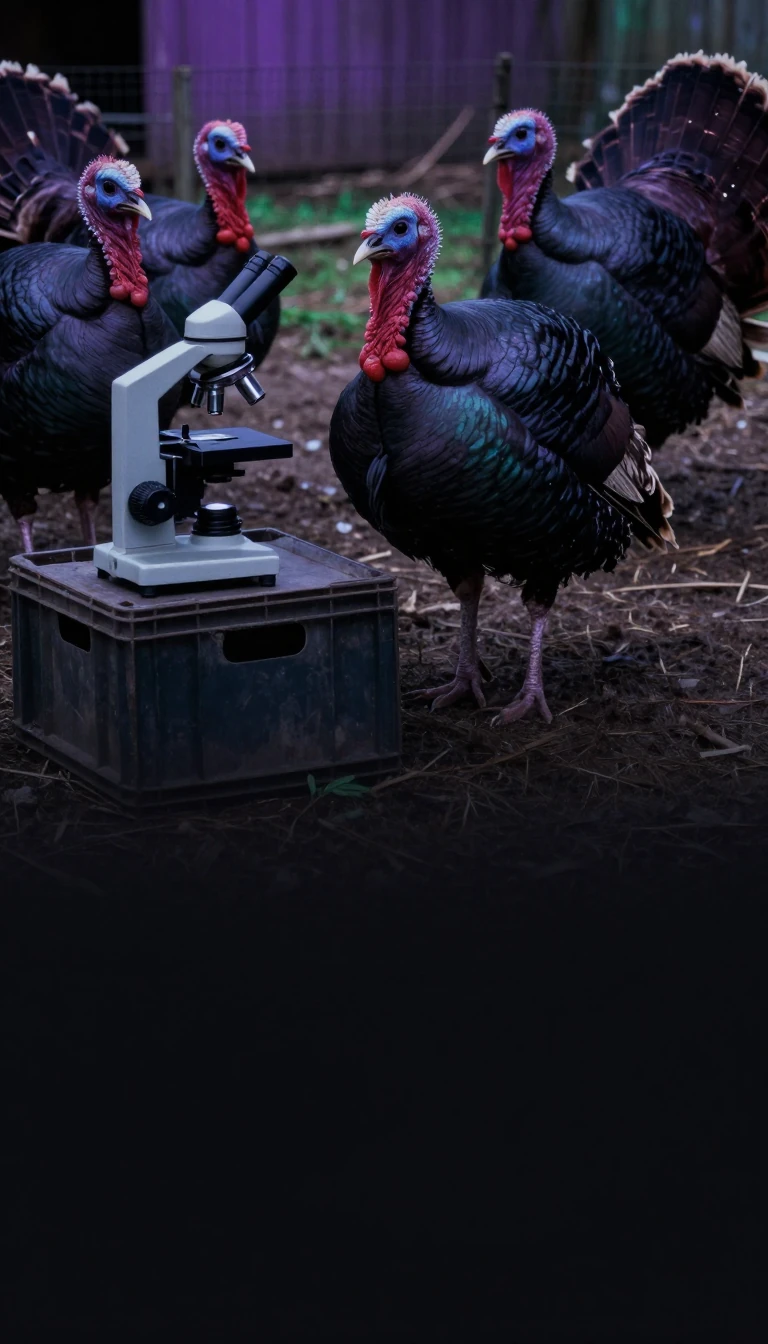
In short: Beyond the common stomach bug, Salmonella enterica is a remarkably hardy genus of bacteria. It survives for months in water and weeks in dry environments, thriving in the intestines of humans and animals alike. While often mild, this ancient microbe has triggered massive historical epidemics and remains a global health challenge.
Salmonella enterica is a Gram-negative, rod-shaped bacterium belonging to the Enterobacteriaceae family. It is incredibly diverse, comprising over 2,500 distinct serotypes. While most of these serotypes cause standard gastroenteritis—characterized by fever, nausea, and abdominal pain—some are host-specific and can lead to severe, life-threatening systemic infections. The bacteria are ubiquitous, residing in the intestinal tracts of poultry, cattle, pigs, and even household pets like turtles and birds.
The resilience of the organism is a key factor in its success as a pathogen. It can endure harsh conditions, including the acidic environment of the human stomach and long periods in dry soil or water. This durability allows it to move through the entire food chain, from primary agricultural production to the kitchen. Most human infections occur through the consumption of contaminated animal products, such as raw eggs, poultry, and unpasteurized dairy. However, person-to-person transmission via the fecal-oral route is also common.
The history of Salmonella enterica is deeply intertwined with human development. Genomic analysis of remains from Western Eurasia suggests the bacteria were widespread as early as 6,500 years ago. In the 16th century, a devastating epidemic known as cocoliztli, which struck New Spain in 1545, has been linked to Salmonella enterica. This outbreak was catastrophic, contributing to the death of up to 90% of the Indigenous population over the following century. Today, it remains a leading cause of foodborne illness, with researchers noting that while most healthy individuals recover without intervention, the elderly, infants, and immunocompromised individuals face significant risks of severe dehydration or systemic dissemination.
Modern management of the disease focuses on prevention, as routine antimicrobial therapy is often discouraged for mild cases to prevent the selection of resistant bacterial strains. Surveillance systems are essential for tracking outbreaks, as the majority of cases are sporadic and go undiagnosed. Understanding the molecular mechanisms of the bacteria, such as how it uses base excision repair to survive exposure to bile salts in the host, continues to be a vital area of research for public health.
Opens the Intellect+ feed with this card first. Swipe up for the next one.
Sources
- Summary by Intellect · source: A common bacterial infection affecting the intestinal tract-Salmonella infection - Symptoms & causes - Mayo Clinic
- Also: Salmonella (non-typhoidal)
- Also: Salmonella enterica
To cite this card, link to https://intellectplus.co.uk/app/gardening-salmonella-enterica.
How we source, check and correct cards: Editorial standards.
General information, not professional advice. Spotted an error? Flag the card or see corrections and complaints.
Intellect Plus is a visual educational discovery platform for exploring fascinating facts and ideas. Brain Food, Not Brain Rot. What is Intellect Plus?
Related
More in Prokaryotes · More in Gardening · Latest · A–Z · All topics
