Acute medicine is the high-stakes frontline of hospital care for sudden, severe illness
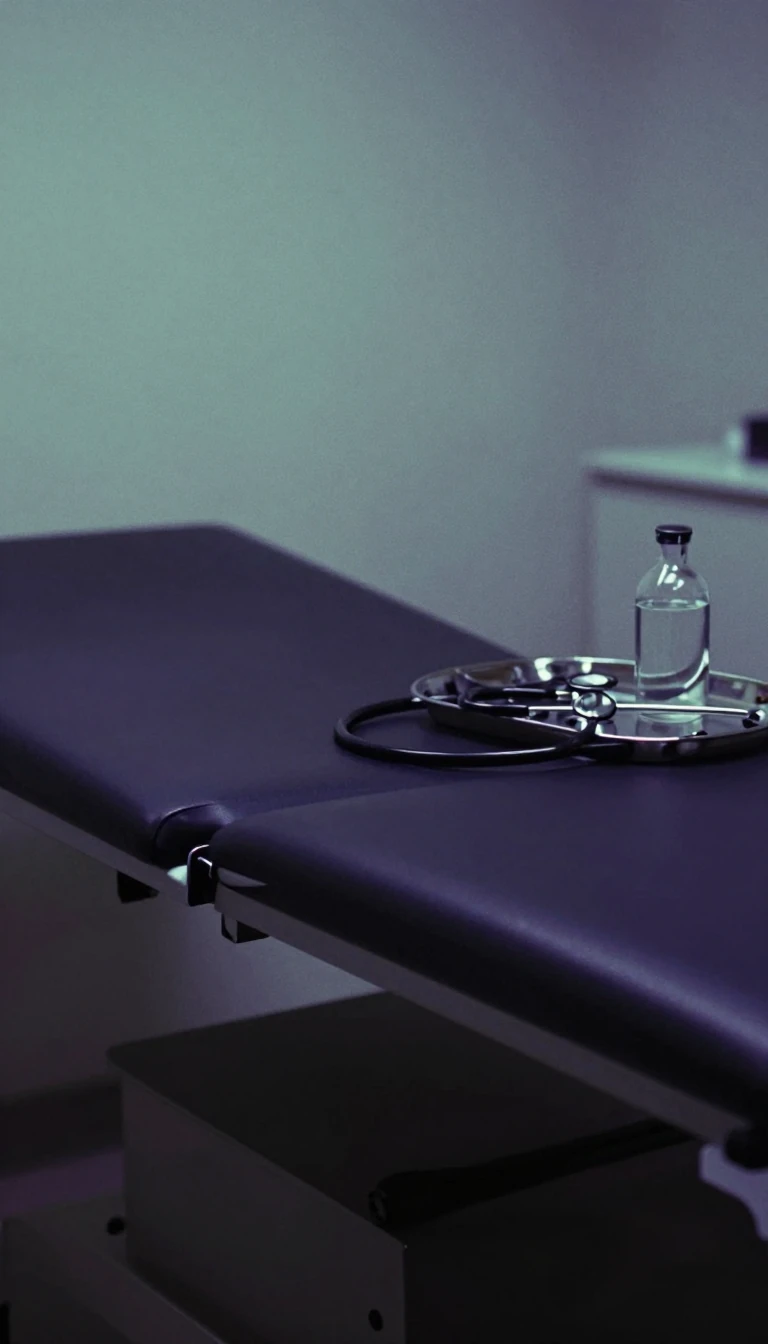
In short: When a patient arrives at a hospital with a life-threatening condition that has developed rapidly, they enter the world of acute internal medicine. These specialists manage the critical first 72 hours of care, performing urgent procedures and making life-altering diagnostic decisions in a fast-paced, high-pressure clinical environment.
In medical terminology, the word acute refers to conditions of recent onset or short duration, distinguishing them from chronic, long-lasting diseases. While the term is often associated with severe, life-threatening events like myocardial infarction or acute leukaemia, it also encompasses milder injuries, such as a stubbed toe or common respiratory infections that resolve within days. The core distinction lies in the suddenness of the presentation rather than the severity alone.
Doctors working in acute internal medicine operate at the hospital's intake point. Their primary responsibility is the initial assessment, investigation, and management of patients who require urgent or emergency care, typically within the first 48 to 72 hours of admission. This role demands a broad clinical skillset, as these physicians treat patients of all ages with diverse, often complex problems. They frequently perform invasive procedures, including lumbar punctures, paracentesis to drain excess fluid, and pleural aspirations to clear fluid from around the lungs.
Beyond technical proficiency, the field requires exceptional leadership and communication. Acute physicians must coordinate with emergency departments, critical care units, and various medical specialists to ensure effective patient pathways. Because the environment is notoriously busy, success depends on emotional resilience, a calm temperament, and the ability to make high-stakes decisions under pressure. Training is rigorous, requiring a medical degree followed by a two-year foundation programme and at least six years of specialty training.
The profession is highly selective; for instance, in 2020, there were 510 applications for just 94 specialty training posts in England. Despite the intensity, it offers a career path that blends leadership, research, and specialized practical skills, such as echocardiography. It remains a vital component of the healthcare system, bridging the gap between primary care and long-term inpatient management to ensure that patients receive immediate, effective intervention when they are at their most vulnerable.
Opens the Intellect+ feed with this card first. Swipe up for the next one.
Sources
- Summary by Intellect · source: Acute internal medicine | Health Careers
- Also: Acute (medicine)
To cite this card, link to https://intellectplus.co.uk/app/health-acute-medicine.
How we source, check and correct cards: Editorial standards.
General information, not professional advice. Spotted an error? Flag the card or see corrections and complaints.
Intellect Plus is a visual educational discovery platform for exploring fascinating facts and ideas. Brain Food, Not Brain Rot. What is Intellect Plus?
Related
More in Morbidity · More in Health · Latest · A–Z · All topics
