The silent protein buildup that turns a bone marrow glitch into organ failure
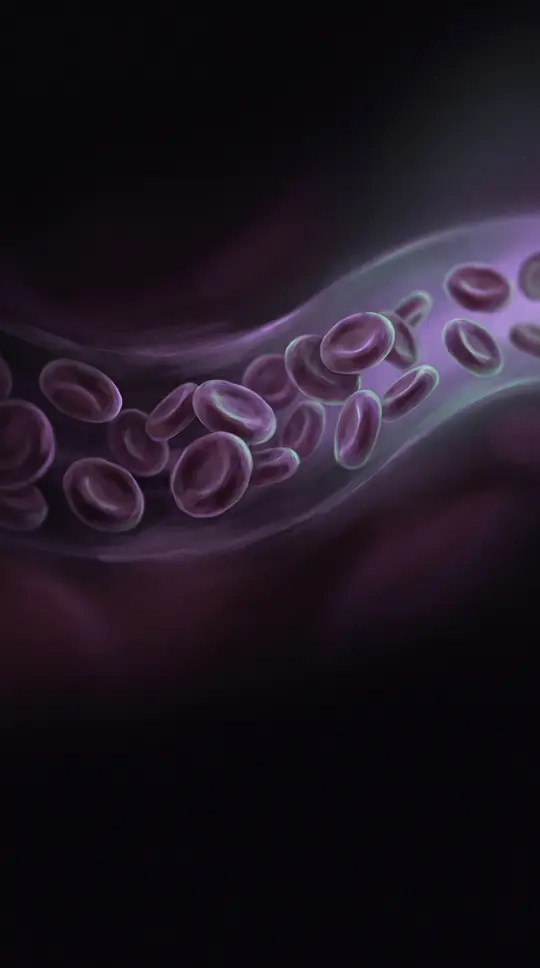
In short: AL amyloidosis begins with a single malfunctioning plasma cell. This tiny error triggers a cascade where abnormal proteins—light chains—clump into twisted fibrils. These deposits infiltrate the heart and kidneys, slowly suffocating organ function. Because symptoms are so vague, the disease often hides until it reaches a critical tipping point.
AL amyloidosis is a systemic disorder where mutated plasma cells in the bone marrow produce abnormal immunoglobulin light chains. Unlike many blood cancers, these cells typically grow slowly, but the proteins they secrete become twisted clumps called amyloid fibrils. These deposits build up in tissues, preventing organs from functioning correctly. While it is a rare condition, it is the most common form of systemic amyloidosis and primarily affects individuals aged 60 and older, with a higher prevalence in males.
The clinical challenge lies in its 'nonspecific' presentation. Patients often report general fatigue or unintentional weight loss, which can mimic dozens of other conditions. However, the disease is most notorious for its impact on the heart and kidneys. Cardiac involvement is the single biggest predictor of mortality. For example, the 2012 Mayo Clinic staging system shows that patients with Stage IV cardiac involvement have a median overall survival of only 5.8 months. Conversely, renal involvement is often caught sooner—usually within 6 months—due to the common use of urinalysis, even though it carries significant morbidity and a high risk of progressing to dialysis dependence.
Diagnosis requires tissue confirmation, often via a biopsy of the subcutaneous fat, bone marrow, or affected organs. A reliable noninvasive test involves Congo red staining of a fat aspirate, which identifies deposits in about 85% of patients. Once confirmed, the goal is to stop the production of light chains. The current FDA-approved first-line therapy is a combination regimen called DaraCyborD (daratumumab, cyclophosphamide, bortezomib, and dexamethasone). While autologous stem cell transplants are considered for selected cases, research is ongoing into newer therapies like CAR-T cell therapy and venetoclax to improve outcomes for relapsed patients.
Opens the Intellect+ feed with this card first. Swipe up for the next one.
Sources
- Summary by Intellect · source: AL Amyloidosis: Current Treatment and Outcomes - PMC
- Also: AL Amyloidosis
- Also: AL amyloidosis
To cite this card, link to https://intellectplus.co.uk/app/health-al-amyloidosis.
How we source, check and correct cards: Editorial standards.
General information, not professional advice. Spotted an error? Flag the card or see corrections and complaints.
Intellect Plus is a visual educational discovery platform for exploring fascinating facts and ideas. Brain Food, Not Brain Rot. What is Intellect Plus?
Related
More in Diabetes · More in Health · Latest · A–Z · All topics
