A city forged by cotton, oil, and air power
In short: From a 19th-century plantation dock to a strategic military hub, Bossier City’s identity has been shaped by radical shifts in American industry. It transformed from a river landing into a center for oil production and global air defense, mirroring the broader evolution of the American South.
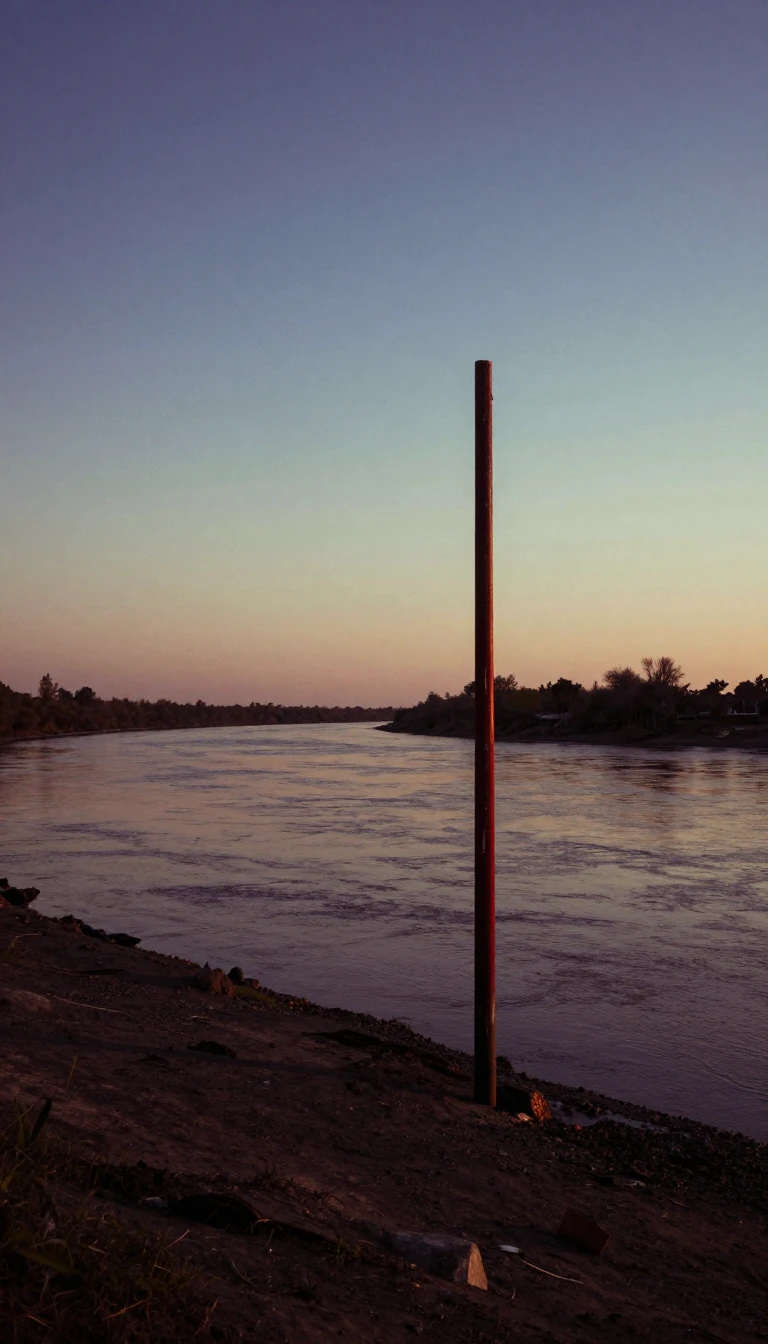
The origins of Bossier City are rooted in the 1830s as the Elysian Grove plantation, owned by James Cane. Its early economic life revolved around the Red River, where 'Cane's Landing' served as a critical dock for shipping cotton and other commodities. This riverfront location was so vital that it hosted a ferry and a trading post on the opposite bank, which eventually helped seed the development of Shreveport. The area was originally part of the Great Natchitoches District and Claiborne Parish. It was officially named Bossier Parish in 1843 to honor a former Creole general. This region also served as a major transit point for the Great Western Migration during the 1840s.
The city's growth was accelerated by several distinct waves of infrastructure. In the 1880s, it became a railroad hub, notably hosting the first 'golden spike' driven by a woman in 1884. By 1908, the discovery of crude oil to the south triggered a nationwide boom, establishing the area as a major player in the oil patch. These industries provided the economic foundation for the city's transition from a small settlement to a major metropolitan center. During the 1870s, Shed Road's creation as the South's initial all-weather turnpike boosted urban expansion. This covered roadway facilitated the movement of goods before railroads became dominant. Additionally, the Dixie Overland Highway was built in 1918 to connect the East and West Coasts.
The 20th century brought further diversification. The construction of Barksdale Airfield in the 1930s turned the region into a strategic military site, eventually becoming the headquarters for the 8th Air Force. Today, while its industrial roots in petroleum and wood products remain, the city is also defined by its tourism and casino gambling industries, which have financed significant modern municipal projects like the Louisiana Boardwalk. The city's modern landscape also includes the CenturyLink Center and the Arthur Ray Teague Parkway. Recent growth has been fueled by the city's status as the fastest-growing city in the state. Furthermore, the city's population reached an estimated 69,000 in a 2015 study.
Opens the Intellect+ feed with this card first. Swipe up for the next one.
Sources
- Summary by Intellect · source: Bossier City, Louisiana
- Also: Bossier City | Shreveport-Bossier, Red River, Louisiana | Britannica
- Also: www.louisiana.gov — Bossier Parish - The official website of Louisiana
To cite this card, link to https://intellectplus.co.uk/app/health-bossier-city-louisiana.
How we source, check and correct cards: Editorial standards.
General information, not professional advice. Spotted an error? Flag the card or see corrections and complaints.
Intellect Plus is a visual educational discovery platform for exploring fascinating facts and ideas. Brain Food, Not Brain Rot. What is Intellect Plus?
Related
More in History · Latest · A–Z · All topics
