When institutions silence victims, the cost is often measured in lives
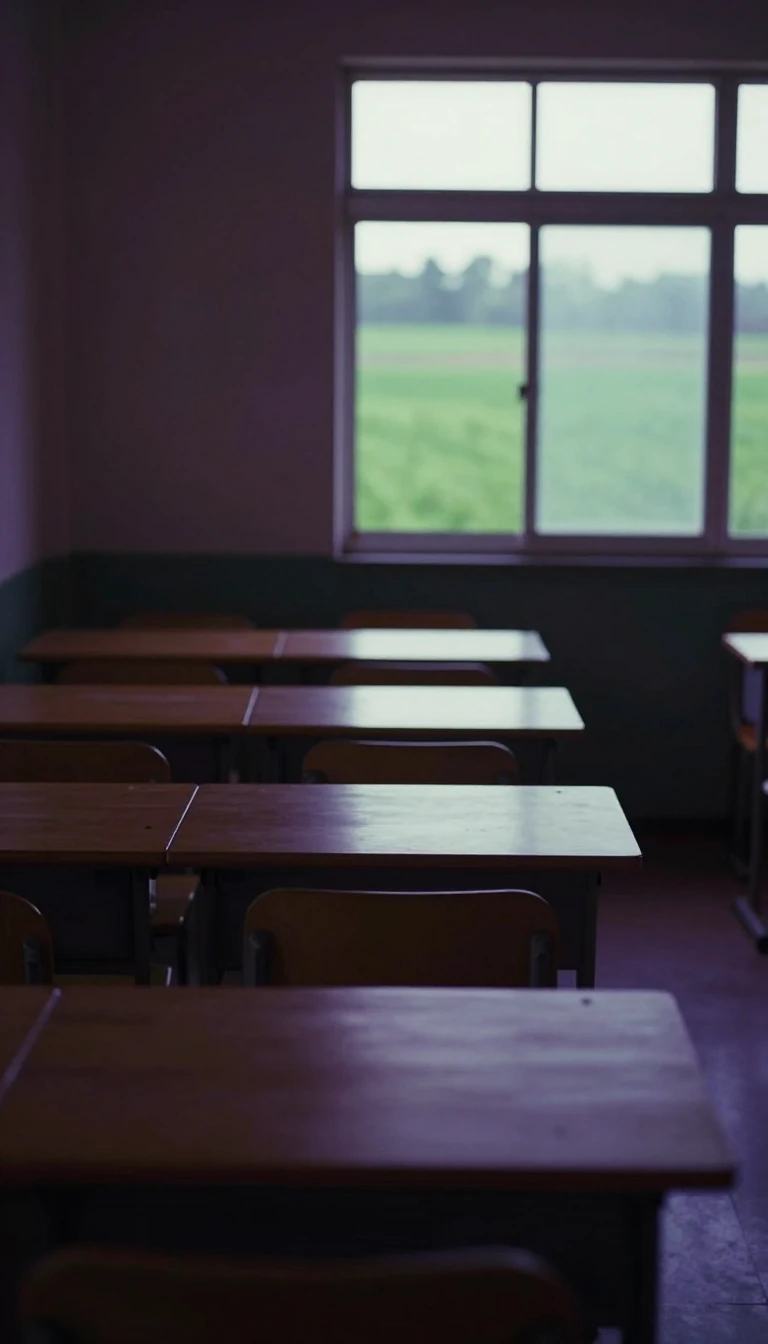
In short: The 2011 documentary Bully exposes a harrowing reality: for many students, school is not a sanctuary but a site of systematic violence. From verbal abuse to physical assault, the film captures how institutional neglect transforms peer conflict into life-altering trauma, sometimes leading to tragic, irreversible consequences.
The documentary follows five students across the U.S. during the 2009-10 school year, highlighting the diverse faces of bullying. It documents the experiences of students with autism, such as Tyler, who committed suicide at 17 in 2009 after being shoved into lockers and stripped of his clothes, and Alex, who faced threats and physical violence like being stabbed with a pencil on a school bus. The film also captures the extreme consequences of harassment, including the case of Ja'Meya Jackson, a 14-year-old honor student who brandished a gun on a bus to intimidate her bullies, and the tragic suicide of 11-year-old Ty Smalley, who was bullied for his short stature.
A recurring theme in the film is the failure of institutional intervention. Parents and students describe an atmosphere where teachers often ignore abuse or adopt a 'kids will be kids' attitude. In some instances, administrators attempted to resolve violent incidents with dismissive suggestions for children to simply 'get along.' This lack of systemic support is echoed in broader sociological research, which identifies 'institutional silencing'—where schools use dismissive language or security-focused discourse to invalidate a student's trauma rather than addressing the underlying violence.
The film sparked a significant movement for advocacy, leading to the creation of the 'Stand for the Silent' online group. While critics like Roger Ebert noted that the film highlights a problem without providing a clear solution, its primary goal was to break the silence surrounding hidden lives of bullied children. By documenting these stories, director Lee Hirsch aimed to move the needle from private suffering to public engagement, challenging the societal tendency to look away from the systemic nature of school-based morbidity.
Opens the Intellect+ feed with this card first. Swipe up for the next one.
Sources
- Summary by Intellect · source: Bully (2011 film)
- Also: Frontiers in sociology — When silence becomes violence: a perspective on institutional discourse, digital resistance, and educational justice in Temanggung, Indonesia. · CC BY
To cite this card, link to https://intellectplus.co.uk/app/health-bully-2011-film.
How we source, check and correct cards: Editorial standards.
General information, not professional advice. Spotted an error? Flag the card or see corrections and complaints.
Intellect Plus is a visual educational discovery platform for exploring fascinating facts and ideas. Brain Food, Not Brain Rot. What is Intellect Plus?
Related
More in Society · Latest · A–Z · All topics
