Why your medicine cabinet is filled with two distinct types of gel shells
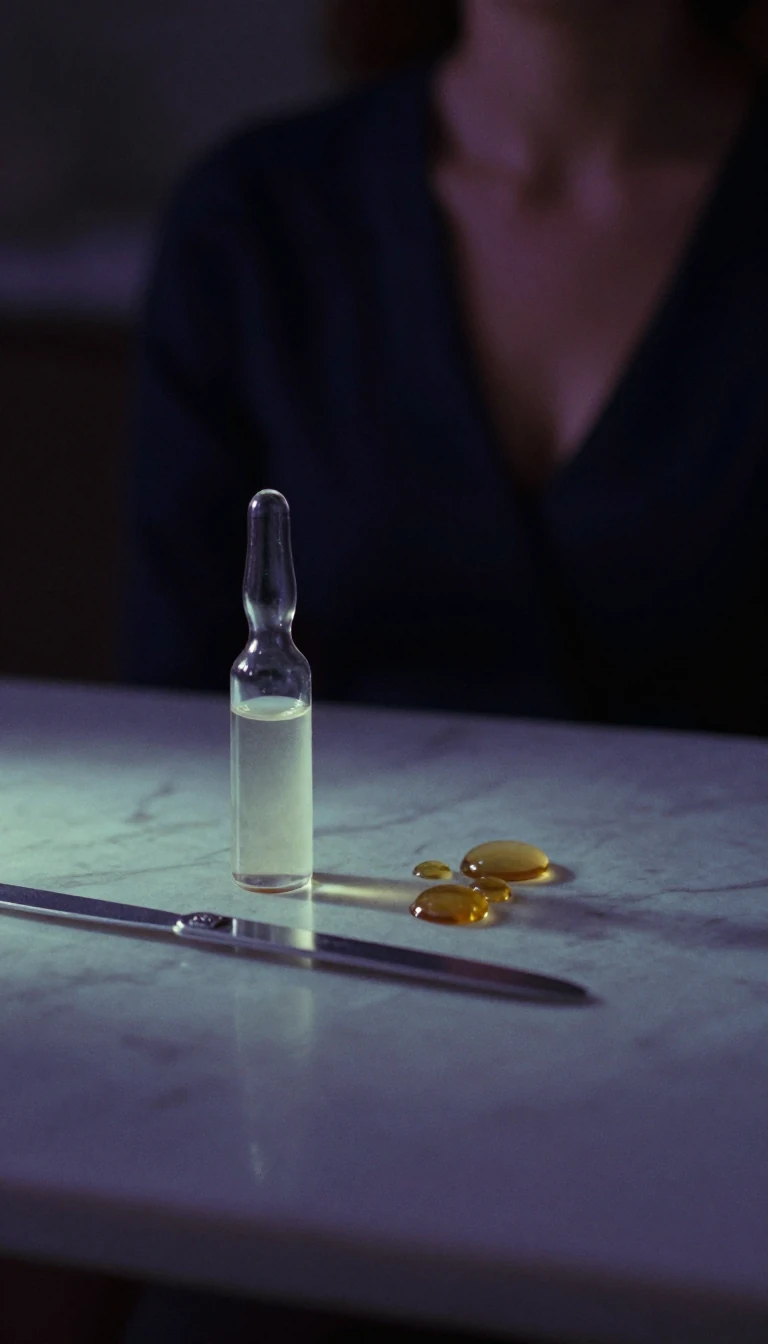
In short: Pharmaceutical capsules are more than just pill coatings; they are sophisticated delivery systems. Whether hard-shelled or soft-gel, these containers use precise chemistry to protect ingredients and improve absorption. From their 19th-century origins to modern manufacturing, capsules remain a gold standard for efficient, reliable, and consumer-trusted medication delivery.
Pharmaceutical encapsulation involves enclosing medicine in stable shells, primarily categorized into hard-shelled and soft-shelled forms. Hard capsules, patented by James Murdoch in 1847, consist of two telescoping halves. These are typically filled with dry powders or pellets created through extrusion and spheronization. Because these capsules are manufactured separately from the filling process, they offer flexibility for various pharmaceutical applications, ranging from manual to fully automatic production lines.
Soft-shelled capsules, or softgels, represent a different engineering feat. Following the 1833 patent by Mothes and Dublanc, the technology evolved significantly with R. P. Scherer’s 1933 rotary die invention. Unlike hard capsules, softgels are filled and sealed simultaneously. This makes them ideal for liquid ingredients, such as oils, which are notoriously difficult to incorporate into solid tablets. By dissolving or suspending drugs in oil, softgels can enhance the solubility and permeability of poorly soluble compounds across human body membranes.
The materials used for these shells have also seen innovation. Traditionally, capsules are made from gelatin derived from animal skin or bone collagen. However, in 1989, vegetable capsules made from hydroxypropyl methyl cellulose were introduced as a plant-based alternative. Despite this, gelatin remains more prevalent in the 21st century due to lower production costs. Manufacturers also incorporate plasticizers like glycerin or sorbitol to adjust hardness, alongside various coloring agents and preservatives to ensure stability.
Quality control is paramount in modern encapsulation. Techniques such as near-infrared spectroscopy and vibrational spectroscopy are employed for real-time monitoring of fill weights, ensuring each unit contains the correct dose. This precision is especially critical for potent drugs where doses might be less than 100 micrograms. By isolating the drug inside a sealed shell, manufacturers protect both the consumer from inconsistent dosing and the operators from exposure to drug dust during the high-speed manufacturing process.
Opens the Intellect+ feed with this card first. Swipe up for the next one.
Sources
- Summary by Intellect · source: Capsule (pharmacy)
To cite this card, link to https://intellectplus.co.uk/app/health-capsule-pharmacy.
How we source, check and correct cards: Editorial standards.
General information, not professional advice. Spotted an error? Flag the card or see corrections and complaints.
Intellect Plus is a visual educational discovery platform for exploring fascinating facts and ideas. Brain Food, Not Brain Rot. What is Intellect Plus?
Related
More in Drugs and medication · More in Health · Latest · A–Z · All topics
