While climate denotes anticipated conditions, weather describes the actual experience
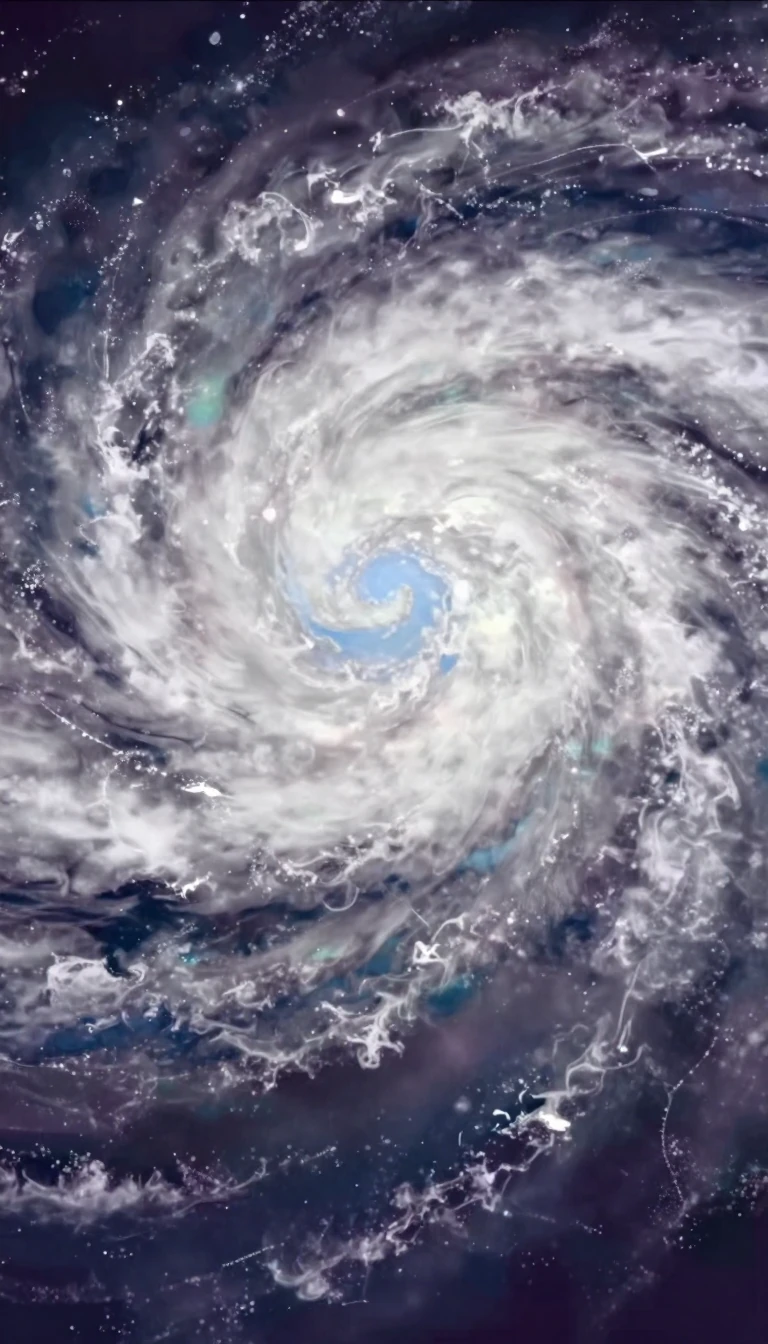
In short: If weather is the outfit you wear today, climate is the entire wardrobe you own. It is the long-term summation of atmospheric elements—temperature, humidity, and precipitation—over decades. Understanding this distinction is vital for managing risks like infectious diseases and food security in a changing world.
Meteorologists distinguish climate from weather based primarily on timescale. While weather describes the state of the atmosphere over a short period—changing rapidly from moment to moment—climate represents the long-term summation of these elements over a period of 30 years or more. This includes not only average values but also the frequency, variability, and extreme ranges of events like temperature spikes or heavy precipitation. The climate system is a complex web of interactions between five major components: the atmosphere, hydrosphere (oceans and rivers), cryosphere (ice and snow), lithosphere (land surface), and biosphere (living organisms). These components exchange energy, water, and carbon dioxide. External forcings, such as solar radiation, volcanic activity, and orbital geometry, influence these patterns. The atmosphere acts as a radiative blanket, trapping heat through the presence of water vapor and clouds. Greenhouse gases specifically trap infrared radiation, which leads to warmer surface temperatures. Additionally, the distribution of land versus water and the presence of ocean currents significantly influence regional climate differences. Volcanic eruptions can also impact the system by injecting dust and aerosols into the stratosphere.
However, human activities—specifically the emission of greenhouse gases like carbon dioxide and methane—are currently driving significant shifts in the long-term averages of weather variables. In practical terms, climate knowledge is a tool for survival and stability. It informs agricultural decisions on crop management to ensure food security against climatic fluctuations. It also allows societies to manage infectious diseases influenced by shifting conditions and to mitigate risks from extreme weather and sea-level rise. By analyzing historical data from ice cores and tree rings alongside modern satellite remote sensing, scientists build models to predict these future evolutions, helping humanity adapt to the inevitable changes in our environment.
Opens the Intellect+ feed with this card first. Swipe up for the next one.
Sources
- Summary by Intellect · source: Climate | Definition, Weather, & Meteorology | Britannica
- Also: What is climate? - Met Office
- Also: Climate
- Also: Climate of Texas
To cite this card, link to https://intellectplus.co.uk/app/health-climate-of-texas.
How we source, check and correct cards: Editorial standards.
General information, not professional advice. Spotted an error? Flag the card or see corrections and complaints.
Intellect Plus is a visual educational discovery platform for exploring fascinating facts and ideas. Brain Food, Not Brain Rot. What is Intellect Plus?
Related
More in Epidemiology · More in Health · Latest · A–Z · All topics
