Why cluster headaches are often called the most painful condition known to science
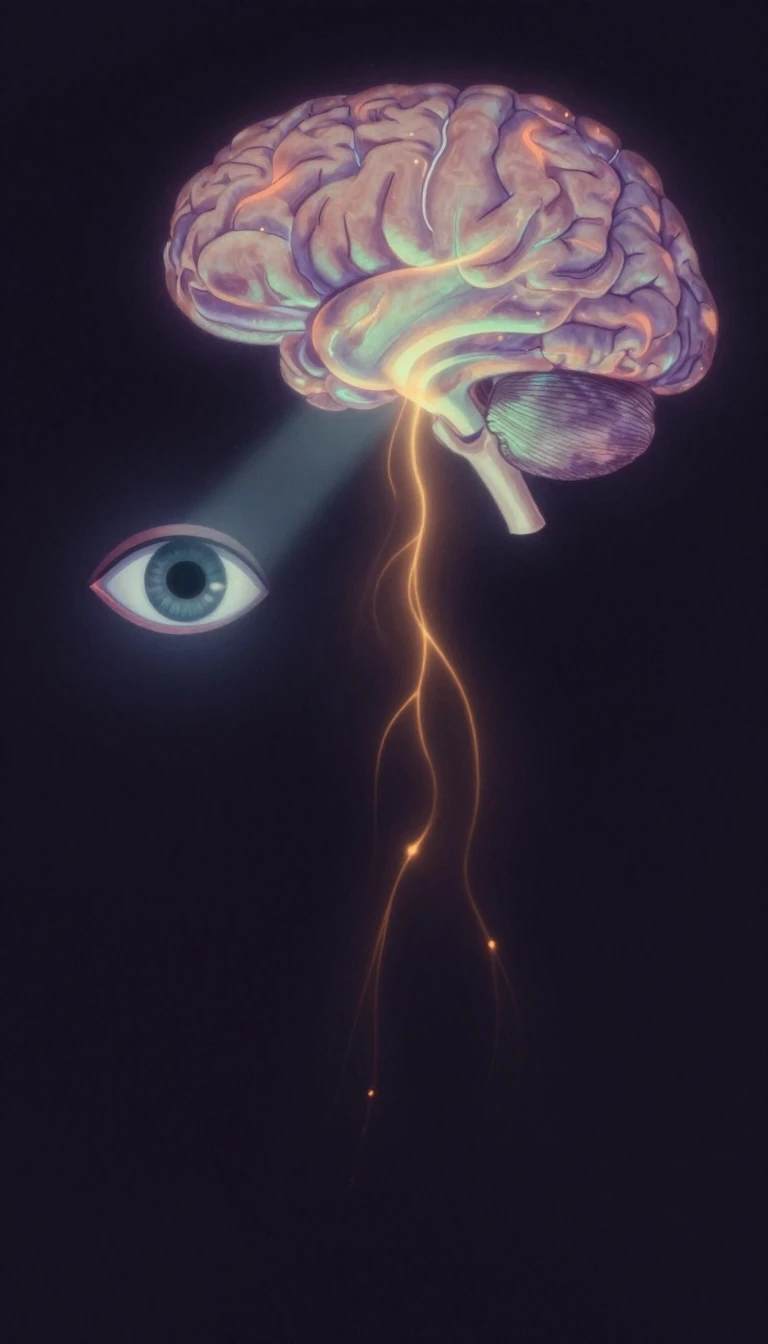
In short: Known as suicide headaches for their intensity, cluster headaches are not your typical migraine. These attacks strike with agonizing, unilateral precision, often waking sufferers at the same hour each night. While the exact cause remains a mystery, researchers suspect a link to the hypothalamus and the body's internal clock.
Cluster headaches are defined by their cyclical, highly predictable nature. Unlike migraines, which can be sporadic, cluster headaches often occur in groups, striking at the same time of day or year. An attack typically lasts between 15 minutes and three hours, with sufferers experiencing anywhere from one every two days to eight within a single 24-hour period. The pain is localized to one side of the head, usually around the eye or temple, and is described as a burning, stabbing, or drilling sensation. During an episode, the affected side of the face may exhibit autonomic symptoms, including eye redness, tearing, a drooping eyelid, or nasal congestion.
The condition is notoriously difficult to manage because standard over-the-counter painkillers like ibuprofen and paracetamol are ineffective. Instead, acute attacks are treated with oxygen therapy or triptans, which are administered via injection or nasal spray. For prevention, specialists may prescribe medications such as verapamil, lithium, or corticosteroids. In rare, refractory cases, surgical interventions or nerve stimulation devices may be considered. Because the pain is so severe—often described by patients as worse than childbirth—the condition can lead to profound psychological distress, including depression and suicidal ideation.
While the precise mechanism is unknown, the cyclical timing suggests a dysfunction in the hypothalamus, the brain region that regulates the circadian clock. This explains why attacks are frequently seasonal, often peaking in spring and fall. Although the condition is rare, affecting about 0.1% of the population, it is significantly debilitating. A study in Portugal highlighted the diagnostic burden, revealing that patients often wait an average of 6.4 years before receiving a formal diagnosis. This delay often results in inappropriate treatments and significant socioeconomic strain, underscoring the need for greater awareness among primary care providers.
Opens the Intellect+ feed with this card first. Swipe up for the next one.
Sources
- Summary by Intellect · source: How Are Cluster Headaches Different From Other Headaches?
- Also: Cluster headaches
- Also: Cluster headache
- Also: Delayed diagnosis of cluster headache in Portugal.
To cite this card, link to https://intellectplus.co.uk/app/health-cluster-headache.
How we source, check and correct cards: Editorial standards.
General information, not professional advice. Spotted an error? Flag the card or see corrections and complaints.
Intellect Plus is a visual educational discovery platform for exploring fascinating facts and ideas. Brain Food, Not Brain Rot. What is Intellect Plus?
Related
More in Health, medicine and disease · More in Health · Latest · A–Z · All topics
