Why your brain sometimes lies to you and how to catch it in action
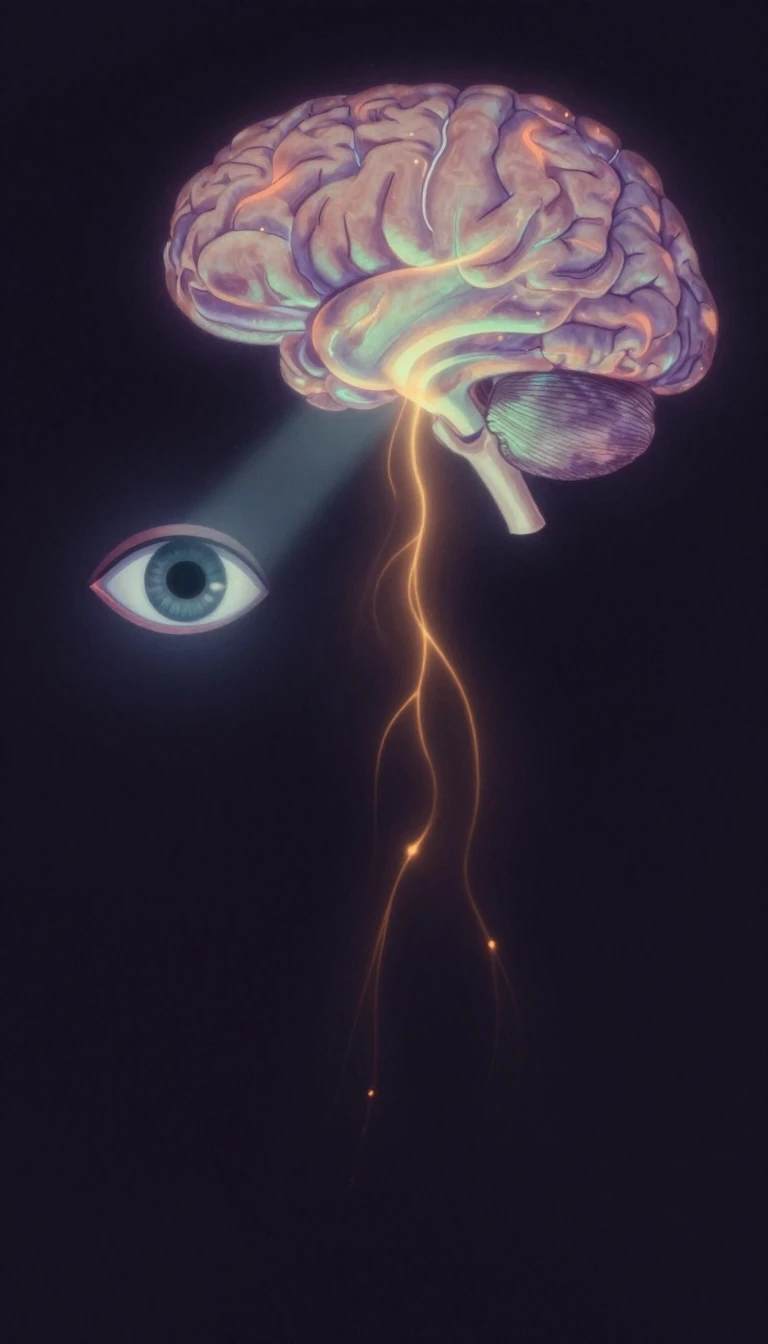
In short: Cognitive distortions are habitual, biased thinking patterns that twist reality. While common in everyday life, these mental shortcuts can become rigid, creating self-perpetuating cycles of distress. By understanding the neural mechanisms behind these errors, you can learn to identify and challenge the inaccurate narratives your mind constructs.
The concept of cognitive distortion emerged in the mid-20th century through the work of psychiatrist Aaron T. Beck. While practicing psychoanalysis, Beck noticed that patients often held automatic, erroneous beliefs about themselves and the world. He observed that individuals struggling with depression frequently viewed neutral events through an unrealistically negative lens, despite clear evidence to the contrary. These patterns are not signs of a mental disorder on their own, but when they become frequent and self-reinforcing, they contribute to conditions like anxiety, depression, and obsessive-compulsive disorder.
These distortions do not stem from a single brain region but arise from altered information processing across distributed neural networks. The prefrontal cortex, responsible for reasoning and cognitive control, often loses its edge to the amygdala, which rapidly flags potential threats. Meanwhile, the anterior cingulate cortex struggles to monitor errors, and the hippocampus fails to place current experiences into a broader, more balanced context. Neurotransmitters like serotonin, dopamine, and norepinephrine further influence this process, potentially increasing sensitivity to negative information or reducing the flexibility needed to consider alternative interpretations.
Distorted thinking is often shaped by early life experiences, such as trauma, neglect, or repeated criticism, which form deeply held beliefs. Once established, these patterns can be triggered by stress, sleep deprivation, or physical illness. Because these thoughts feel accurate, they often go unnoticed until reflection or therapeutic intervention reveals their flaws. Techniques like those popularized by David D. Burns in his 1980 book, Feeling Good: The New Mood Therapy, help individuals identify these biases—such as all-or-nothing thinking or catastrophizing—and reframe their experiences in a more rational, objective light.
The impact of these distortions is significant; research analyzing over 71,000 chat sessions from a suicide prevention helpline found that individuals seeking help used specific distorted language markers far more frequently than counselors. By detecting these lexical patterns, therapists can better target interventions. While yoga and other wellness programs are sometimes explored as supportive tools, the core of addressing these distortions remains the active, conscious effort to challenge the 'knee-jerk' conclusions that our brains present as absolute truth.
Opens the Intellect+ feed with this card first. Swipe up for the next one.
Sources
- Summary by Intellect · source: Cognitive distortion | Aaron T. Beck, Biological Mechanisms, Causes, Symptoms, Types, Treatment, & Facts | Britannica
- Also: Cognitive distortion
- Also: Prevalence of Cognitive Distortion Markers in a Suicide Prevention Chat Service: Mixed Methods Study.
To cite this card, link to https://intellectplus.co.uk/app/health-cognitive-distortion.
How we source, check and correct cards: Editorial standards.
General information, not professional advice. Spotted an error? Flag the card or see corrections and complaints.
Intellect Plus is a visual educational discovery platform for exploring fascinating facts and ideas. Brain Food, Not Brain Rot. What is Intellect Plus?
Related
More in Health, medicine and disease · More in Health · Latest · A–Z · All topics
