Why our brains are hardwired to see ghosts in the machine
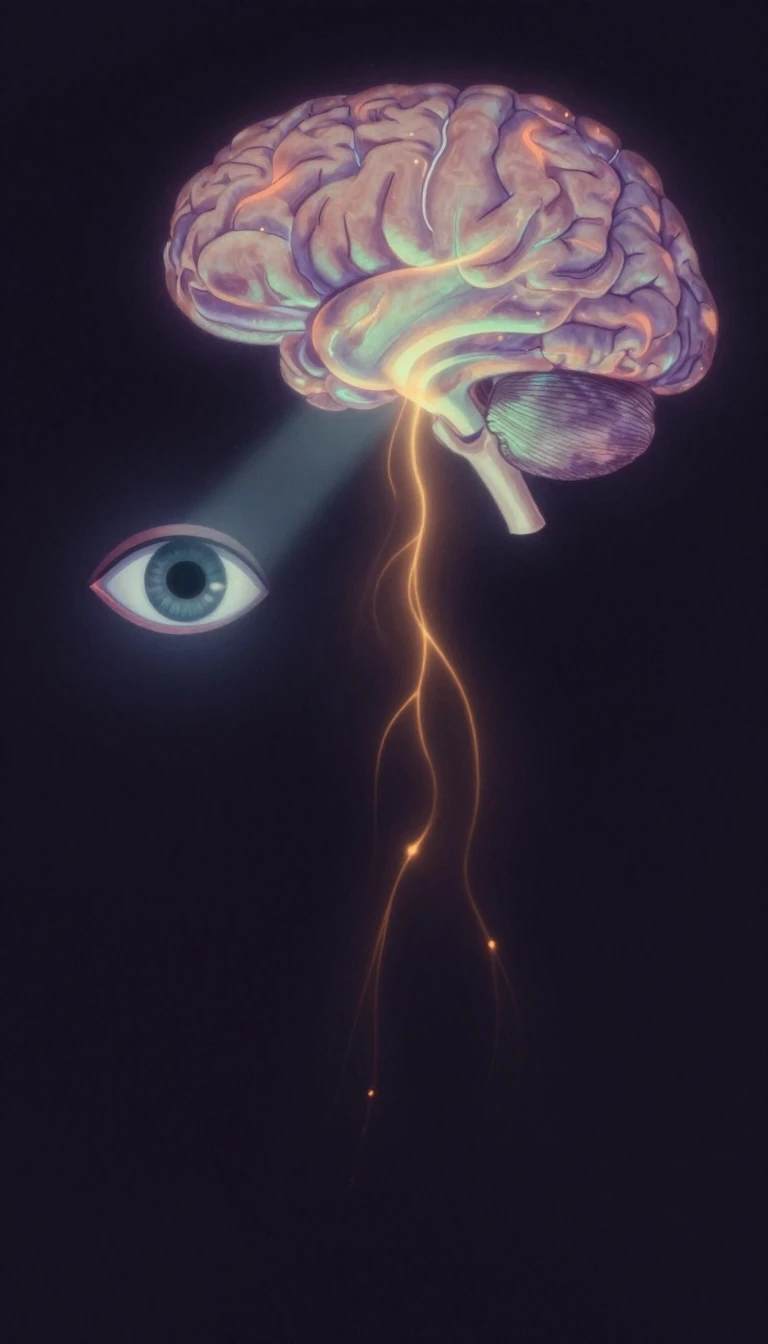
In short: Humans possess a unique cognitive architecture that makes us prone to spotting agency where none exists. From the rustle of leaves to the mysteries of the cosmos, our minds are optimized to detect 'someone' behind the curtain—a trait that shaped our survival but also defines our spiritual landscape.
The cognitive science of religion seeks to explain how humans acquire and transmit religious beliefs using ordinary cognitive capacities. A primary mechanism identified in this field is the 'hyperactive agency detection device.' This mental shortcut, postulated by Justin L. Barrett, is designed to identify the activity of agents. Because the cost of failing to spot a predator is higher than the cost of a false alarm, the brain is biased toward producing false positives, leading humans to attribute intentionality to natural phenomena.
Another key framework is the concept of 'minimally counterintuitive' (MCI) concepts. These are ideas that mostly align with human preconceptions but break the rules in one or two striking ways, such as 'talking trees' or noncorporeal agents. Research suggests these are easier to remember than perfectly intuitive ideas (which are boring) or maximally counterintuitive ones (which are too confusing). This 'MCI-effect' explains why certain religious entities remain culturally transmissible and memorable across different societies.
Beyond individual cognition, these mechanisms may serve evolutionary functions. The 'cognitive byproduct' theory suggests religious beliefs are 'spandrels'—nonfunctional traits produced by functional mental mechanisms. Conversely, 'dual inheritance theory' suggests that while the capacity for supernatural belief might be a byproduct, cultural traditions have recruited these beliefs to motivate prosocial behavior and cooperation. This interplay between biology and culture explains how religious schemas can influence everything from moral judgment to long-term health outcomes by shaping how we interpret suffering and meaning.
Recent research also explores the 'Randomness Intolerance Hypothesis,' which suggests humans have a limited tolerance for interpreting significant life events as random. To manage existential anxiety, the mind constructs frameworks of moral causation or cosmic purpose. These meaning-making processes can influence stress physiology and health; interpretations that reduce perceived threat may support adaptive regulation, while those sustaining fear or helplessness may contribute to chronic dysregulation.
Opens the Intellect+ feed with this card first. Swipe up for the next one.
Sources
- Summary by Intellect · source: Cognitive science of religion
- Also: Between moral judgment and randomness: existential anxiety, meaning-making, and the pathway from cognition to health.
- Also: www.nature.com — Cognitive Science of Religion - Latest research and news | Nature
To cite this card, link to https://intellectplus.co.uk/app/health-cognitive-science-of-religion.
How we source, check and correct cards: Editorial standards.
General information, not professional advice. Spotted an error? Flag the card or see corrections and complaints.
Intellect Plus is a visual educational discovery platform for exploring fascinating facts and ideas. Brain Food, Not Brain Rot. What is Intellect Plus?
Related
More in Mind · More in Health · Latest · A–Z · All topics
