The universal language of medical imaging holds your vital data hostage
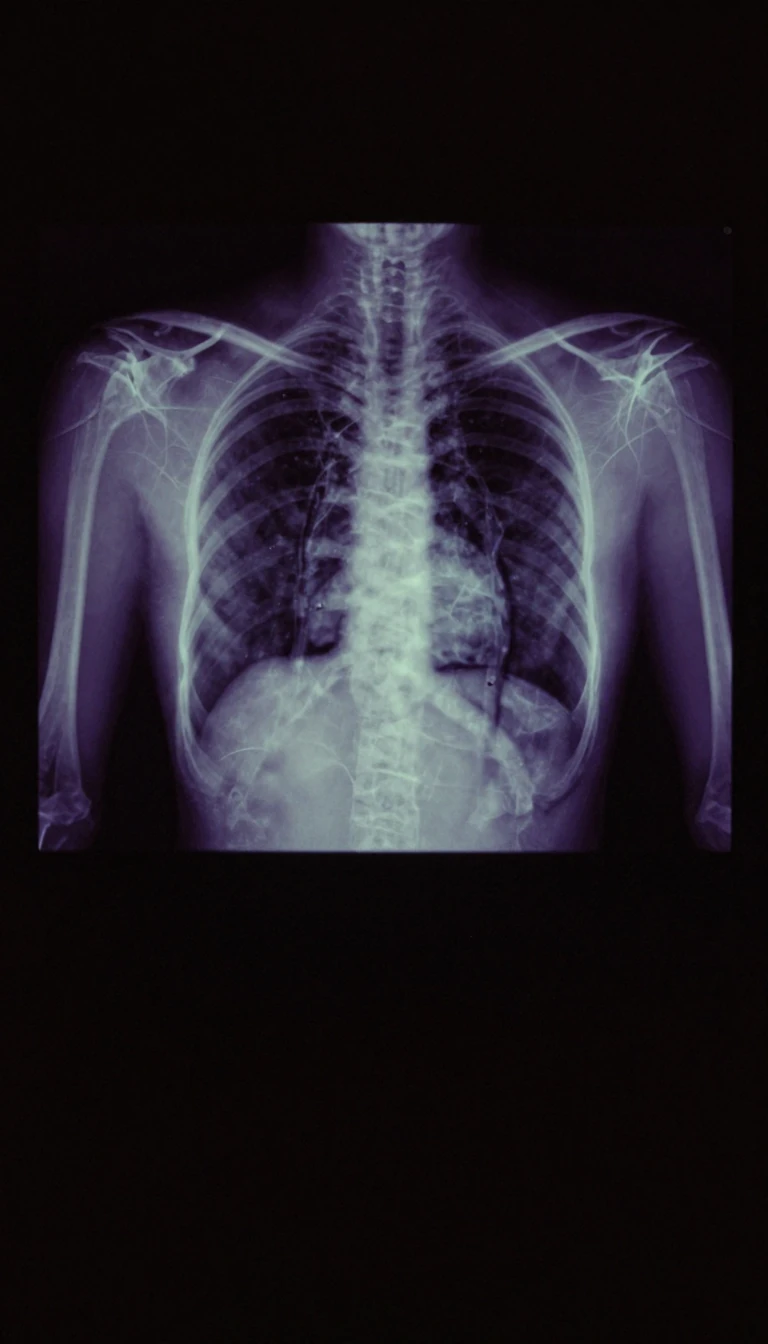
In short: In the 1980s, a doctor's X-ray was often trapped inside the specific machine that took it. Today, a global standard ensures that an MRI from one manufacturer can be read by another. This invisible protocol is the backbone of modern radiology, connecting everything from scanners to printers.
To meet specific requirements, DICOM emerged from a joint effort involving the National Electrical Manufacturers Association (NEMA) and the American College of Radiology (ACR) during 1983. Before its inception, decoding images generated by CT or MRI devices was nearly impossible for anyone other than the original equipment manufacturers. The first standard, ACR/NEMA 300, debuted in 1985 but was quickly found to be too vague and contradictory to be useful.
The standard underwent significant evolution, with a major release in 1988 that gained wider vendor acceptance by specifying transmission over dedicated cables. By 1992, the US military led a large-scale deployment of DICOM technology for its Medical Diagnostic Imaging Support program. This established the framework for Picture Archiving and Communication Systems (PACS), which allow hospitals to store, retrieve, and transmit images across vast networks.
Technically, DICOM is more than just an image file; it is a comprehensive suite of message formats, service definitions, and network protocols using TCP/IP or HTTPS. It bundles patient information—like IDs—directly with pixel data so they cannot be separated by mistake. While it excels at technical interoperability, it is not a clinical workflow framework. To manage actual medical tasks, other initiatives like IHE are layered on top of DICOM to define specific use cases.
Today, the standard's reach extends beyond hospitals into veterinary medicine and industrial nondestructive testing (DICONDE). It even supports 3-D visualization and compression standards like JPEG 2000. Recent advancements include 'DICOMweb,' which enables mobile-friendly access via RESTful web services, ensuring that this decades-old protocol remains at the cutting edge of digital health.
Opens the Intellect+ feed with this card first. Swipe up for the next one.
Sources
- Summary by Intellect · source: DICOM
- Also: standards.nhs.uk — Digital Imaging and Communications in Medicine - NHS Standards Directory
To cite this card, link to https://intellectplus.co.uk/app/health-dicom.
How we source, check and correct cards: Editorial standards.
General information, not professional advice. Spotted an error? Flag the card or see corrections and complaints.
Intellect Plus is a visual educational discovery platform for exploring fascinating facts and ideas. Brain Food, Not Brain Rot. What is Intellect Plus?
Related
More in Morbidity · More in Health · Latest · A–Z · All topics
