Félix d’Hérelle discovered the bacteria-eating virus that might solve our antibiotic crisis
In short: In 1917, French-Canadian microbiologist Félix d’Hérelle identified an invisible antagonist capable of killing bacteria. He named it the bacteriophage, or bacteria eater. While initially overshadowed by the rise of antibiotics, this precision tool is now being reconsidered as a vital weapon against the growing threat of drug-resistant infections.
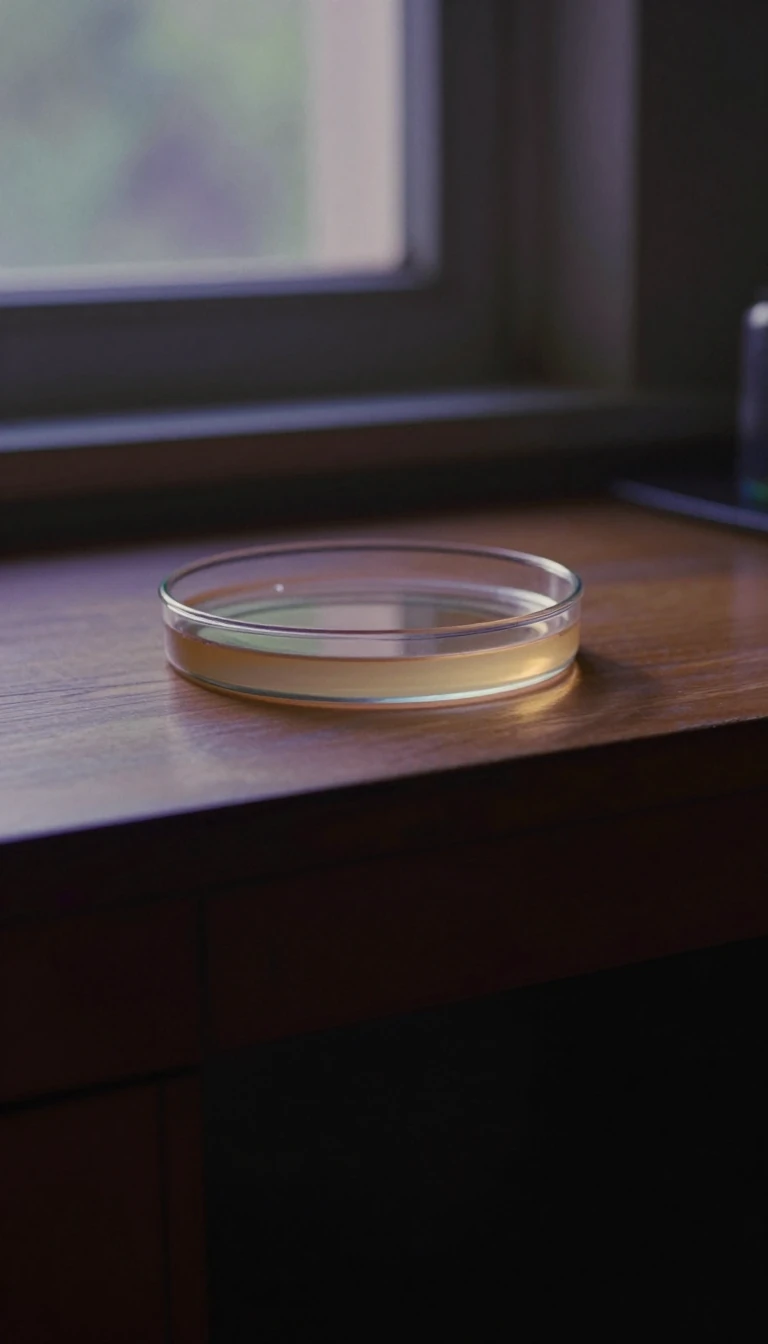
Félix d’Hérelle was a self-taught scientist who famously identified bacteriophages by observing areas of dead bacteria on agar plates. By accurately diluting his samples, he realized he could calculate the number of viruses present in a suspension. He coined the term bacteriophage to describe these agents, which consist of genetic material encased in a protein shell. These viruses infect bacteria by injecting their own nucleic acid into the host cell, effectively hijacking its machinery to replicate.
The life cycle of a phage is typically lytic, meaning it destroys the host cell to release new particles, or lysogenic, where it integrates into the host genome without immediate destruction. D’Hérelle’s early attempts to use these viruses to treat human diseases like cholera and bubonic plague were largely unsuccessful, leading to the field being abandoned in the West following the 1940s discovery of antibiotics. However, because each phage is highly specific to certain bacterial strains, they offer a precision alternative to broad-spectrum antibiotics.
Today, the rise of multi-drug resistant bacteria—such as Pseudomonas aeruginosa and Acinetobacter baumannii—has renewed interest in phage therapy. While case studies and small trials show promise, the field remains experimental. Researchers are now exploring not just whole phages, but also phage-derived enzymes like endolysins, which are structurally simpler and may face fewer regulatory hurdles. Large-scale, controlled studies are still required to establish the safety and efficacy of these treatments for modern clinical use.
Opens the Intellect+ feed with this card first. Swipe up for the next one.
Sources
- Summary by Intellect · source: Félix d’ Hérelle | Phage Therapy, Bacteriophage Research & Microbiology | Britannica
- Also: Félix d'Hérelle
To cite this card, link to https://intellectplus.co.uk/app/health-f-lix-d-h-relle.
How we source, check and correct cards: Editorial standards.
General information, not professional advice. Spotted an error? Flag the card or see corrections and complaints.
Intellect Plus is a visual educational discovery platform for exploring fascinating facts and ideas. Brain Food, Not Brain Rot. What is Intellect Plus?
Related
More in Medicine · More in Health · Latest · A–Z · All topics
