The high-stakes history of the human torpedo
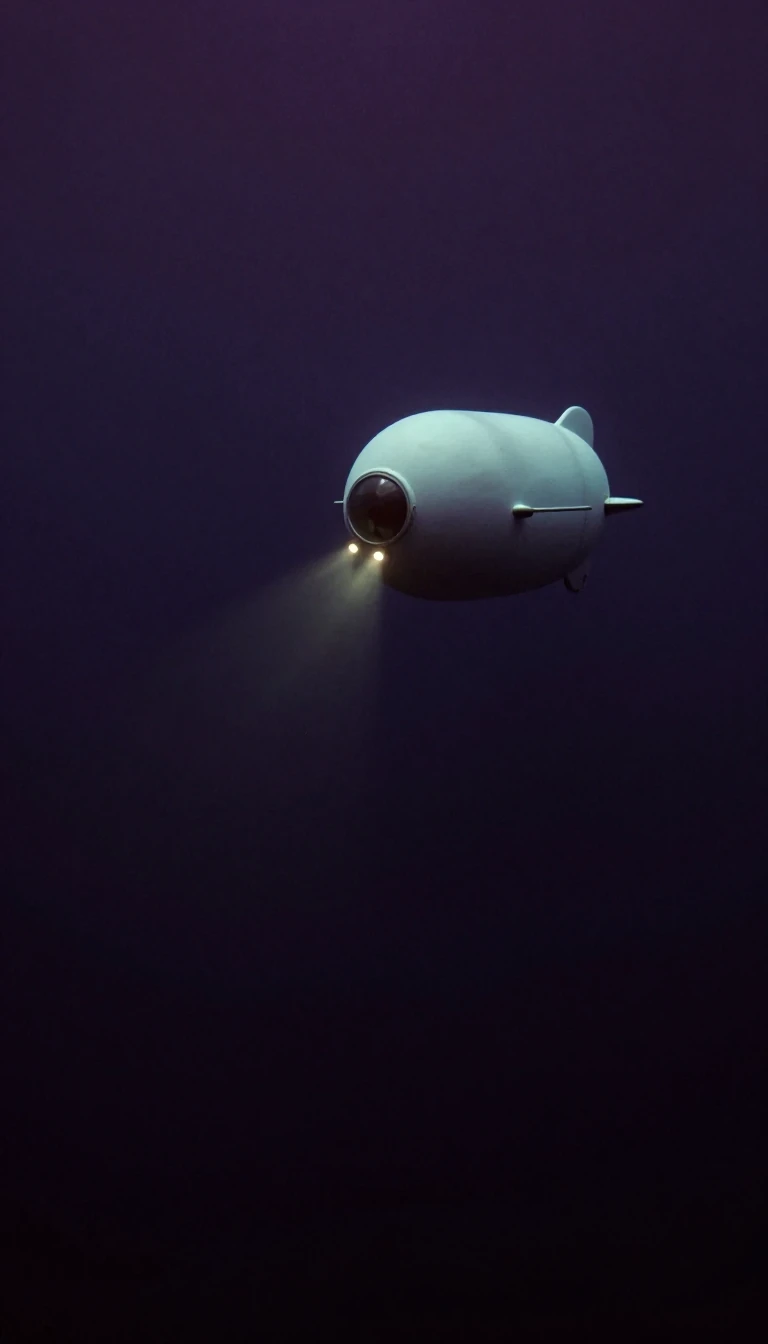
In short: Before modern submarines, naval warfare relied on daring divers riding miniature, electrically propelled torpedoes. These 'human torpedoes' were used to infiltrate enemy harbours, carrying detachable warheads to sink massive battleships. It was a high-risk strategy of stealth, precision, and extreme underwater endurance.
The concept of a manned underwater vehicle dates back to at least 1909, when British officer Commander Godfrey Herbert patented a design for a small submarine carrying a bomb. While the War Office initially dismissed it as unsafe, the idea evolved into the 'mignatta' (leech). In 1918, Italian divers Raffaele Paolucci and Raffaele Rossetti used this primitive craft to sink the Austro-Hungarian battleship SMS Viribus Unitis. The early Mignatta craft was particularly rudimentary, as the operators lacked breathing apparatus and were forced to keep their heads above the water surface.
During World War II, the Italian Navy refined this into the 'maiale' (pig), or Siluro Lenta Corsa (SLC). These vehicles were powered by 1.6 horsepower motors, traveling at a top speed of just 3 knots. Two crewmen sat astride the craft, using oxygen rebreathers and navigating at depths of up to 15 metres. In a famous 1941 raid on Alexandria, these divers successfully damaged the British battleships HMS Queen Elizabeth and HMS Valiant. The SLC models were produced in two distinct series, with the 200 series introduced in 1942. By September 1943, at least 50 of these units had been constructed.
The technology prompted rapid international development. The British created 'Chariots,' ranging from 20 to 30 feet in length, and later the much larger 51-foot X-class midget submarines. Germany also deployed the 'Neger,' a one-man vessel that, despite frequent technical failures and operator deaths, sank several ships. While the era of combat human torpedoes largely ended after 1944, the fundamental mechanics of diver propulsion vehicles continue to influence modern naval operations.
Opens the Intellect+ feed with this card first. Swipe up for the next one.
Sources
- Summary by Intellect · source: Human torpedo
To cite this card, link to https://intellectplus.co.uk/app/health-human-torpedo.
How we source, check and correct cards: Editorial standards.
General information, not professional advice. Spotted an error? Flag the card or see corrections and complaints.
Intellect Plus is a visual educational discovery platform for exploring fascinating facts and ideas. Brain Food, Not Brain Rot. What is Intellect Plus?
Related
More in Memory · More in Health · Latest · A–Z · All topics
