The medical mystery of people who 'wake up' after being declared dead
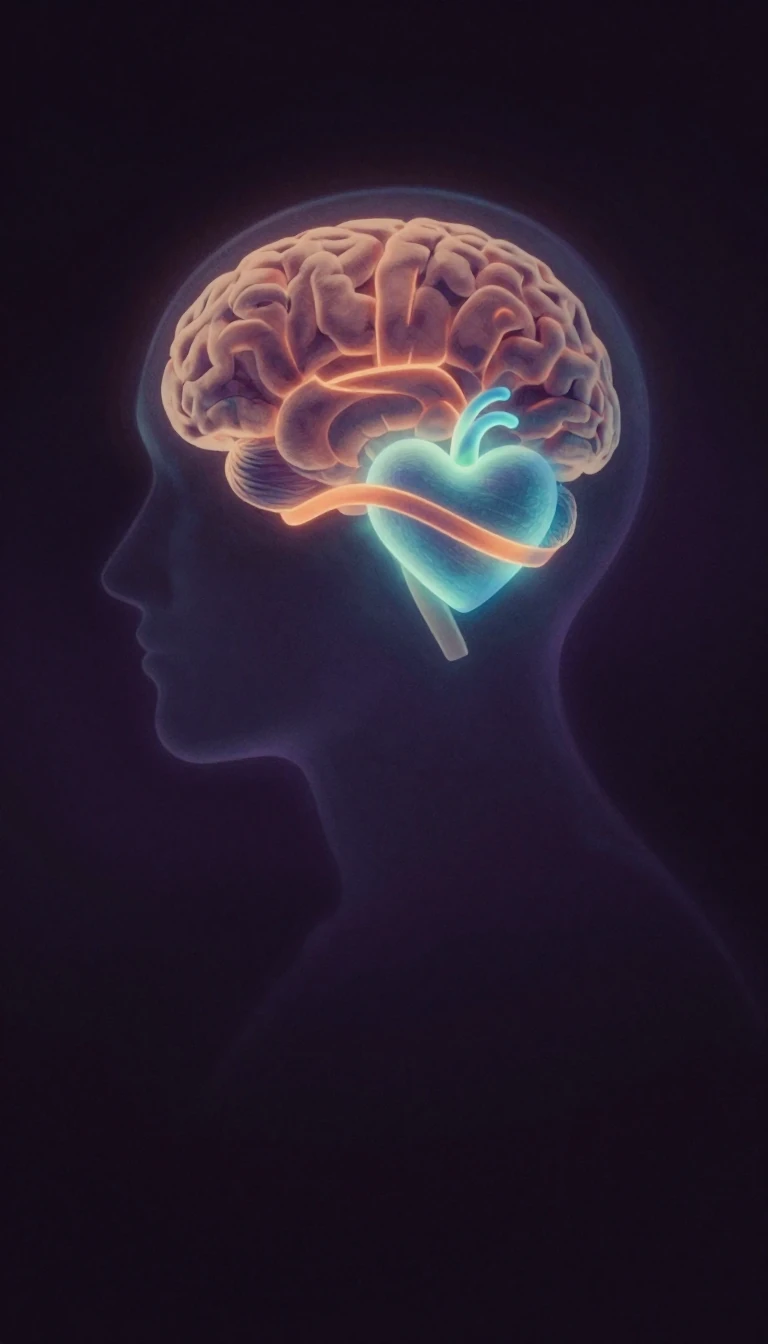
In short: When a healthcare provider declares a patient dead, the medical intervention usually stops. But sometimes, the heart restarts on its own. This rare phenomenon, known as the Lazarus effect, challenges our understanding of clinical death and the precise moment life ends.
The Lazarus effect, more accurately termed autoresuscitation, occurs when a person declared clinically dead suddenly regains blood flow, a pulse, or an organized heart rhythm. While the name evokes the biblical story of Jesus raising Lazarus from the dead, the reality is a physiological delay. It is not a resurrection but a delayed return of spontaneous circulation (ROSC) that happens after CPR has been deemed ineffective and stopped.
The mechanism remains poorly understood, but researchers have proposed several theories. One primary hypothesis suggests that the intense pressure built up in the chest during CPR relaxes once the compressions stop. This sudden drop in pressure may allow the heart to expand, triggering the electrical impulses necessary to restart the heartbeat. Other potential factors include high doses of adrenaline or hyperkalemia (excess potassium in the blood).
The phenomenon is extremely rare. Between 1982 and 2022, medical literature reported only 76 cases of autoresuscitation. While some individuals have made full recoveries—such as a 66-year-old man with an abdominal aneurysm who survived a 17-minute resuscitation effort—many others suffer significant brain damage or die within hours or days of the return of blood flow. Because of this unpredictability, some researchers suggest extending the monitoring of vital signs even after a death has been officially declared.
The clinical significance of the Lazarus effect is that it does not cause death; rather, the patient dies from the original cardiac arrest that led to the event. The 'effect' is simply a sign that blood is moving again, even if that circulation is too weak to sustain life long-term. It serves as a reminder of the complex, sometimes lingering, transition between life and death in emergency medicine.
Opens the Intellect+ feed with this card first. Swipe up for the next one.
Sources
- Summary by Intellect · source: What Is the Lazarus Effect?
- Also: Lazarus phenomenon
To cite this card, link to https://intellectplus.co.uk/app/health-lazarus-phenomenon.
How we source, check and correct cards: Editorial standards.
General information, not professional advice. Spotted an error? Flag the card or see corrections and complaints.
Intellect Plus is a visual educational discovery platform for exploring fascinating facts and ideas. Brain Food, Not Brain Rot. What is Intellect Plus?
Related
More in First aid · More in Health · Latest · A–Z · All topics
