Is the Southeast Asian tree kratom a miracle painkiller or a dangerous public health risk?
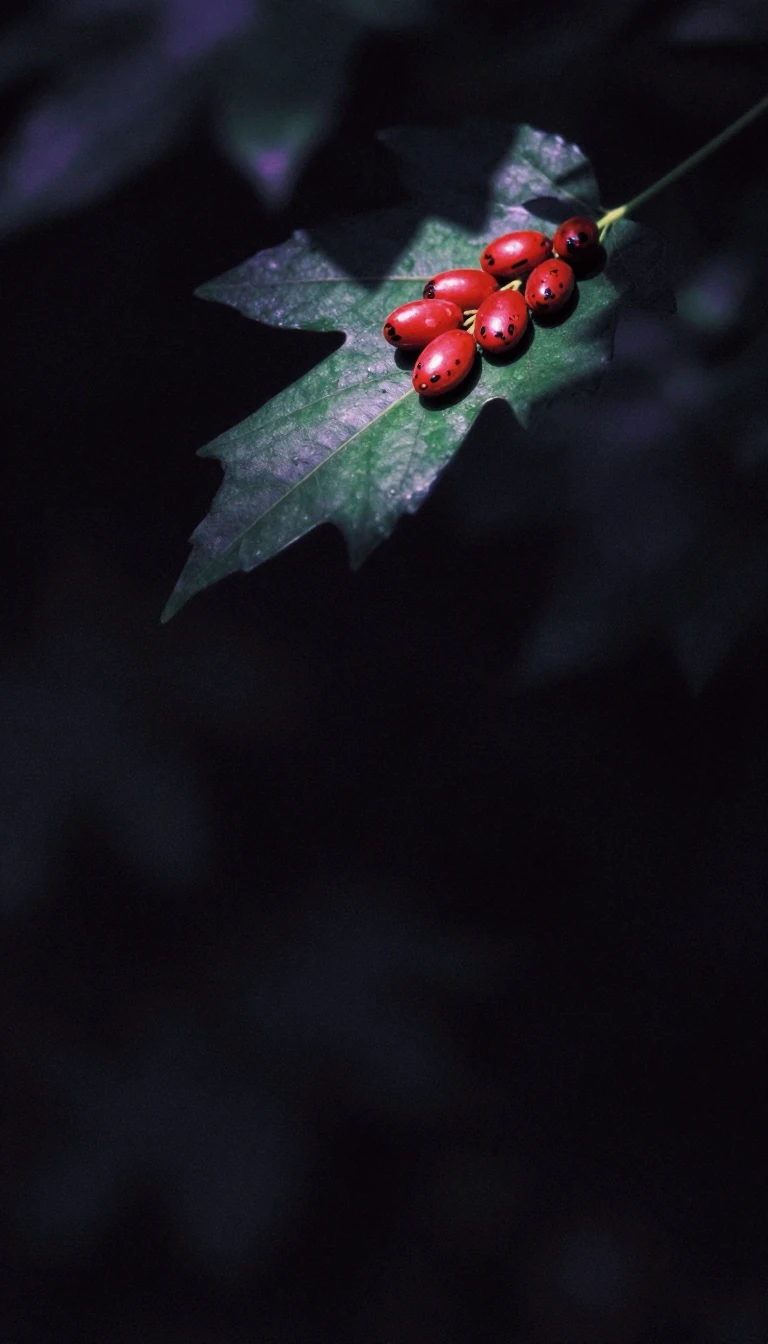
In short: Kratom, derived from the Mitragyna speciosa tree, has surged in popularity as a self-medicated remedy for pain and opioid withdrawal. While proponents praise its natural origins, federal agencies warn of significant safety concerns, including addiction, contamination, and a lack of clinical evidence to support its medical use or efficacy.
Native to Southeast Asia, Mitragyna speciosa is an evergreen tree whose leaves have been used traditionally for centuries to combat fatigue and pain. In the United States, its use has expanded rapidly over the last two decades, with an estimated 1.7 million users as of 2021. The plant produces over 40 alkaloids, most notably mitragynine and 7-hydroxymitragynine, which act as partial agonists at the human mu-opioid receptor. These compounds are the focus of intense scientific debate regarding their potential as safer alternatives to traditional opioids.
The pharmacological profile of these alkaloids is complex. While 7-hydroxymitragynine is significantly more potent than mitragynine and morphine in antinociception assays, it also demonstrates higher abuse liability and physical dependence in animal models. Furthermore, commercial kratom products are largely unregulated, leading to extreme variability in chemical composition. Recent metabolomics research has identified two distinct chemotypes of kratom, complicating efforts to standardize doses or predict clinical outcomes. Because these products often lack clear labeling, consumers may unknowingly ingest inconsistent concentrations of active ingredients.
Safety remains the primary point of contention. The U.S. Food and Drug Administration has not approved kratom for any medical condition, citing risks such as liver injury, seizures, and respiratory depression. Reports of contamination with heavy metals and salmonella have further alarmed regulators. While some users report success in managing opioid withdrawal, clinical trials are absent, and the World Health Organization concluded in 2021 that current evidence is insufficient to justify international control. Ultimately, the scientific community remains divided, with calls for rigorous investigation into whether the plant's unique functional selectivity for G-protein signaling can be harnessed safely or if the risks of addiction and toxicity outweigh its potential benefits.
Opens the Intellect+ feed with this card first. Swipe up for the next one.
Sources
- Summary by Intellect · source: Chemical composition and biological effects of kratom (Mitragyna speciosa): In vitro studies with implications for efficacy and drug interactions - Scientific Reports
- Also: Kratom: Unsafe and ineffective
- Also: Kratom | Plant, Drug, Effects, Use, Legality, & Facts | Britannica
- Also: Mitragyna speciosa
To cite this card, link to https://intellectplus.co.uk/app/health-mitragyna-speciosa.
How we source, check and correct cards: Editorial standards.
General information, not professional advice. Spotted an error? Flag the card or see corrections and complaints.
Intellect Plus is a visual educational discovery platform for exploring fascinating facts and ideas. Brain Food, Not Brain Rot. What is Intellect Plus?
Related
More in Health, medicine and disease · More in Health · Latest · A–Z · All topics
