Beyond the garden trellis: the complex chemistry and surprising diversity of passion flowers
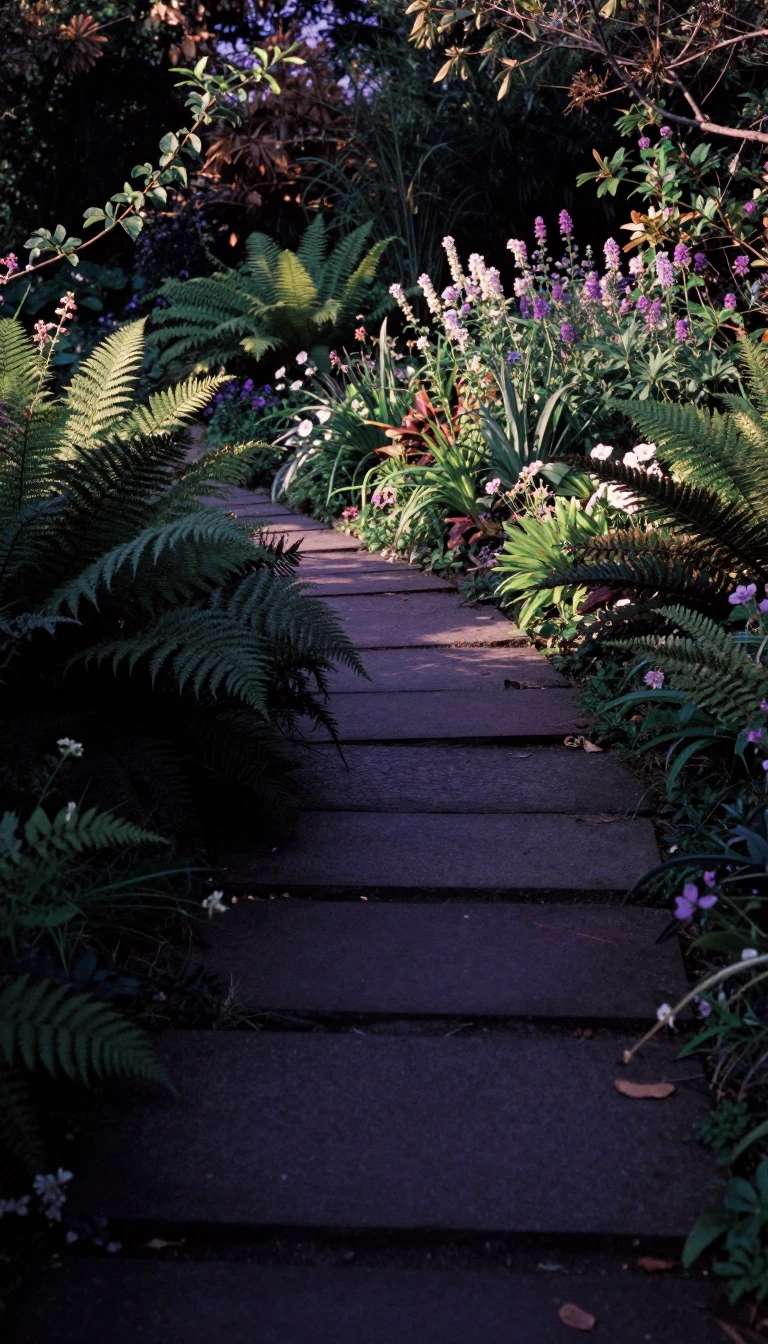
In short: Passion flowers are far more than ornamental climbers. While gardeners prize them for their exotic, jelly-fish-like blooms, researchers study them for their potent neuroactive compounds. From backyard trellises to clinical trials for anxiety, this genus of over 550 species hides a sophisticated biological machinery behind its striking, intricate petals.
The genus Passiflora, primarily native to the Neotropics, encompasses roughly 550 to 650 species that range from woody vines to trees and shrubs. These plants are defined by their unique androgynophore—a central column supporting both stamens and pistil—and a distinctive, often elaborate corona. While many are grown for their aesthetic appeal, the genus is also a chemical powerhouse. Species like Passiflora incarnata have been used traditionally in European phytotherapy, with controlled trials indicating potential anxiolytic and mild sedative effects, making them a subject of interest for managing anxiety and sleep quality.
The chemical profile of the genus is remarkably dense. Many species contain beta-carboline harmala alkaloids, such as harman and harmine, which can act as monoamine oxidase inhibitors. Beyond these, the plants produce a wide array of flavonoids, coumarins, and organic acids. Some species, such as P. adenopoda, even contain cyanogenic glycosides that render them somewhat toxic. This chemical diversity is matched by genomic complexity; recent research into P. foetida has revealed significant intraspecific variation in repetitive DNA, highlighting the evolutionary plasticity that allows these plants to thrive across diverse environments.
For the home gardener, success with Passiflora depends on understanding their specific needs. Hardy varieties like P. caerulea can survive outdoors in sheltered, sunny spots in mild climates, while tender species require the controlled environment of a greenhouse or conservatory to avoid damage. Whether cultivated for their fruit—such as the edible P. edulis—or their flowers, these plants demand careful attention to soil, light, and temperature. As scientific understanding of their genetic and pharmacological properties grows, the passion flower remains a fascinating intersection of botanical beauty and complex biological function.
Opens the Intellect+ feed with this card first. Swipe up for the next one.
Sources
- Summary by Intellect · source: How to grow passion flowers / RHS Growing Guide
- Also: Passiflora
- Also: Neuroprotective and Neuromodulatory Potential of <i>Valeriana officinalis</i>, <i>Passiflora incarnata</i>, and <i>Ginkgo biloba</i>: Efficacy, Safety, and Regulatory Aspects.
- Also: A single species, different repeatomes? Genomic plasticity in Passiflora foetida L. complex and comparative insights across the subgenus Passiflora.
To cite this card, link to https://intellectplus.co.uk/app/health-passiflora.
How we source, check and correct cards: Editorial standards.
General information, not professional advice. Spotted an error? Flag the card or see corrections and complaints.
Intellect Plus is a visual educational discovery platform for exploring fascinating facts and ideas. Brain Food, Not Brain Rot. What is Intellect Plus?
Related
More in Health, medicine and disease · More in Health · Latest · A–Z · All topics
