Movement is medicine: why your daily habits matter more than you think
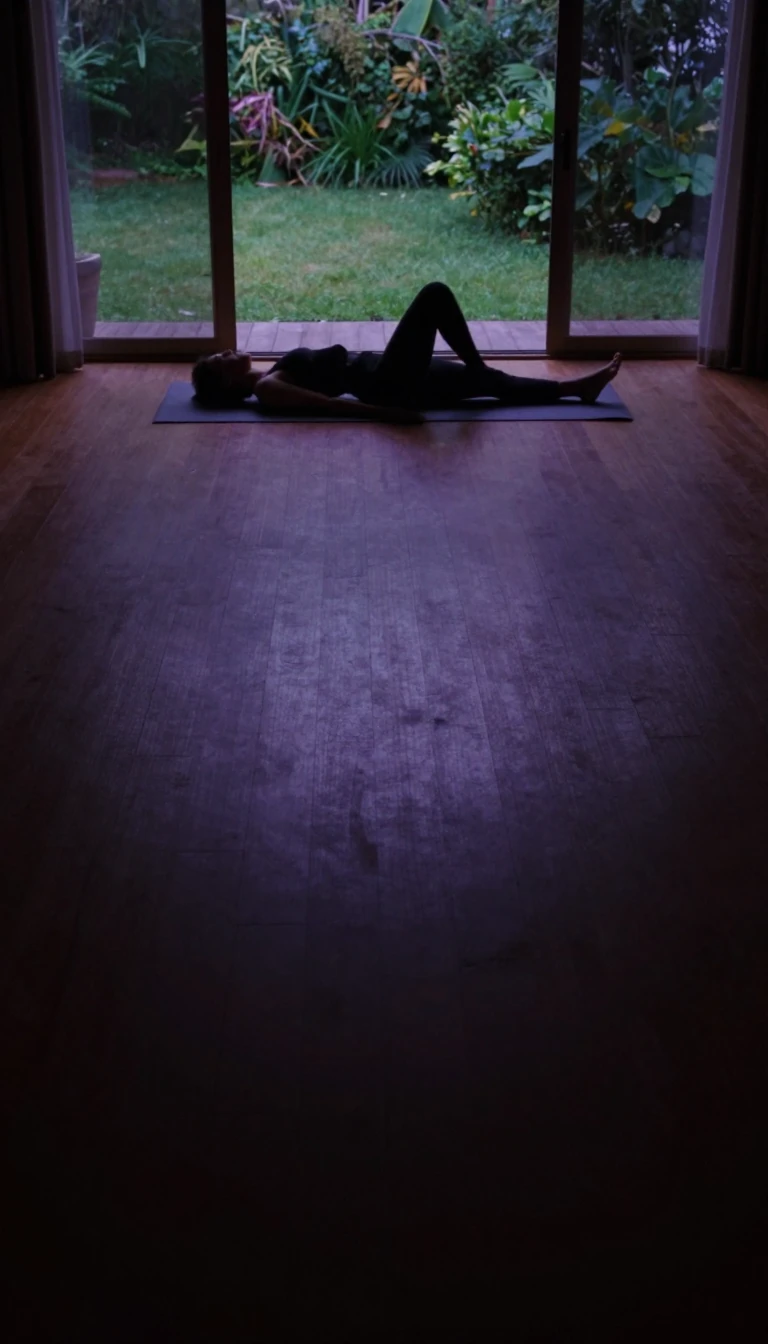
In short: Physical activity is far more than just gym sessions or structured sports. It encompasses every action that engages your muscles and burns energy, from scrubbing floors to walking to work. Understanding this spectrum is vital, as inactivity is now a leading, preventable driver of global disease and mortality.
At its core, physical activity is any bodily motion driven by skeletal muscle contraction that consumes energy. While many people conflate this with exercise—which is specifically planned and repetitive movement aimed at fitness—the broader category includes everything from gardening and lifting heavy groceries to active commuting. This distinction is crucial because it highlights that health-promoting movement is accessible throughout the day, not just during dedicated workout blocks.
The consequences of a sedentary lifestyle are profound. The World Health Organization estimates that physical inactivity contributes to 3.2 million deaths annually, serving as a primary risk factor for noncommunicable diseases like type 2 diabetes, heart disease, and various cancers. Globally, nearly one-third of adults fail to meet the recommended 150 minutes of moderate-intensity activity per week. If current inactivity levels persist, the global healthcare burden for these preventable conditions could reach approximately US$300 billion between 2020 and 2030.
Beyond disease prevention, regular movement is a powerful tool for mental health, helping to manage anxiety and depression while enhancing cognitive function. For older adults or those with disabilities, physical activity is essential for maintaining independence and managing secondary health conditions. However, barriers such as inaccessible infrastructure, lack of time, or pain often hinder participation. Experts emphasize that any movement is better than none, and even small, consistent adjustments—like breaking up long periods of sitting—can significantly improve long-term health outcomes and quality of life.
Opens the Intellect+ feed with this card first. Swipe up for the next one.
Sources
- Summary by Intellect · source: Physical activity | Exercise, Health & Wellbeing | Britannica
- Also: Physical activity
- Also: Physical activity
To cite this card, link to https://intellectplus.co.uk/app/health-physical-activity.
How we source, check and correct cards: Editorial standards.
General information, not professional advice. Spotted an error? Flag the card or see corrections and complaints.
Intellect Plus is a visual educational discovery platform for exploring fascinating facts and ideas. Brain Food, Not Brain Rot. What is Intellect Plus?
Related
More in Health and fitness · More in Health · Latest · A–Z · All topics
