Why do your fingers turn white, blue, and then red in the cold?
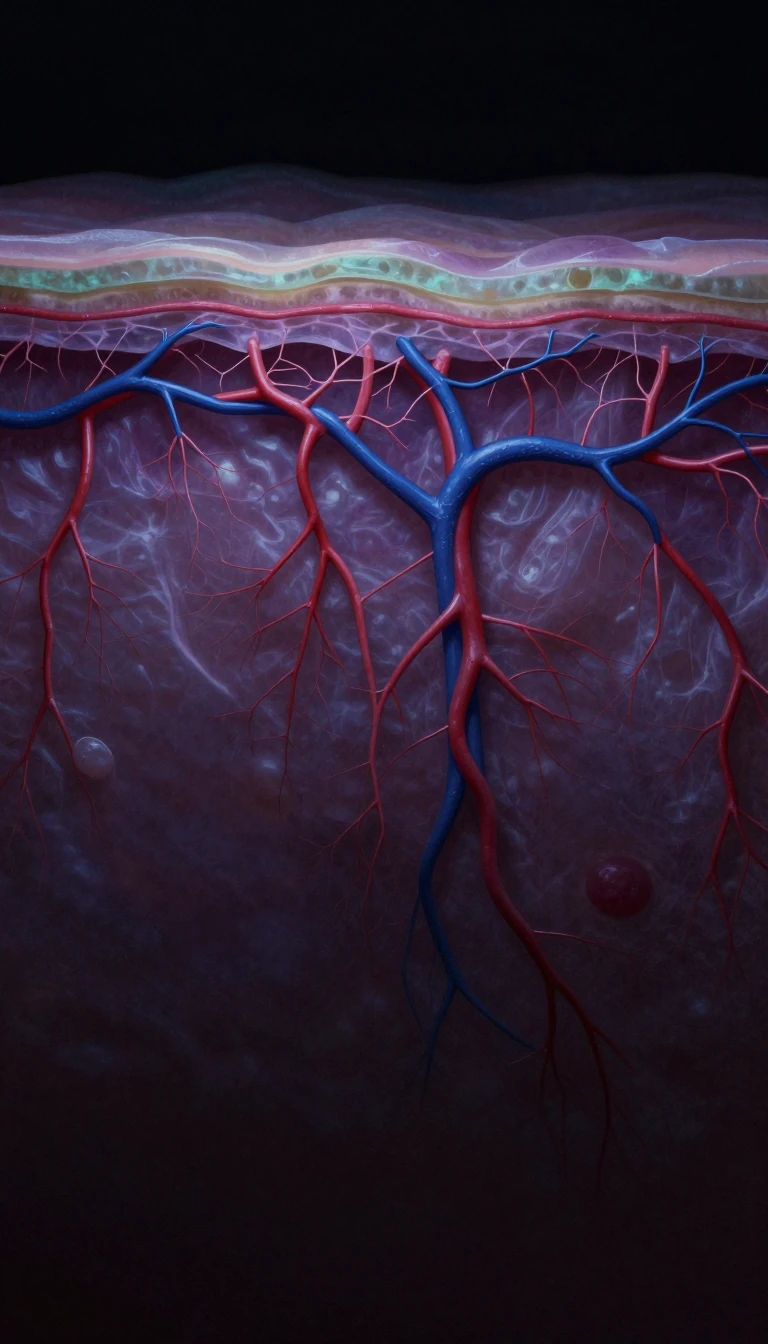
In short: Raynaud's phenomenon is a common condition where blood vessels in your fingers, toes, or even nose spasm in response to cold or stress. While often just a minor inconvenience, these dramatic color changes signal a temporary restriction in circulation that can be managed with simple lifestyle adjustments and warmth.
Raynaud's phenomenon manifests as a sudden reduction in blood flow to extremities, typically triggered by cold temperatures or emotional distress. During an attack, affected areas often turn pale or white as vessels constrict, followed by a blue hue as circulation remains restricted. As the body warms and blood flow returns, the skin flushes red, often accompanied by pain, swelling, or a tingling sensation. These episodes can last from a few minutes to over an hour.
The condition exists in two distinct forms. Primary Raynaud's, the most common type, typically emerges between ages 15 and 25 and occurs independently of other health issues. In contrast, secondary Raynaud's often develops later in life, between ages 35 and 40, and is linked to underlying conditions such as lupus, scleroderma, or rheumatoid arthritis. Because secondary cases may indicate more serious systemic disease, medical professionals often recommend diagnostic testing for adults who experience their first symptoms after age 35.
While the exact cause remains unknown, researchers suspect that blood vessel receptors may become hypersensitive or that blood thickness—potentially influenced by platelet levels—plays a role. Management focuses on prevention: keeping the body warm, avoiding sudden temperature shifts, and quitting smoking are primary recommendations. In severe cases, where symptoms interfere with daily life or lead to complications like skin sores, doctors may prescribe blood pressure medications, such as nifedipine, to help improve circulation and reduce the frequency of painful vessel spasms.
Opens the Intellect+ feed with this card first. Swipe up for the next one.
Sources
- Summary by Intellect · source: Raynaud's Phenomenon
- Also: Raynaud's
- Also: Raynaud syndrome
To cite this card, link to https://intellectplus.co.uk/app/health-raynaud-syndrome.
How we source, check and correct cards: Editorial standards.
General information, not professional advice. Spotted an error? Flag the card or see corrections and complaints.
Intellect Plus is a visual educational discovery platform for exploring fascinating facts and ideas. Brain Food, Not Brain Rot. What is Intellect Plus?
Related
More in Morbidity · More in Health · Latest · A–Z · All topics
