Why do some people walk while they are still fast asleep?
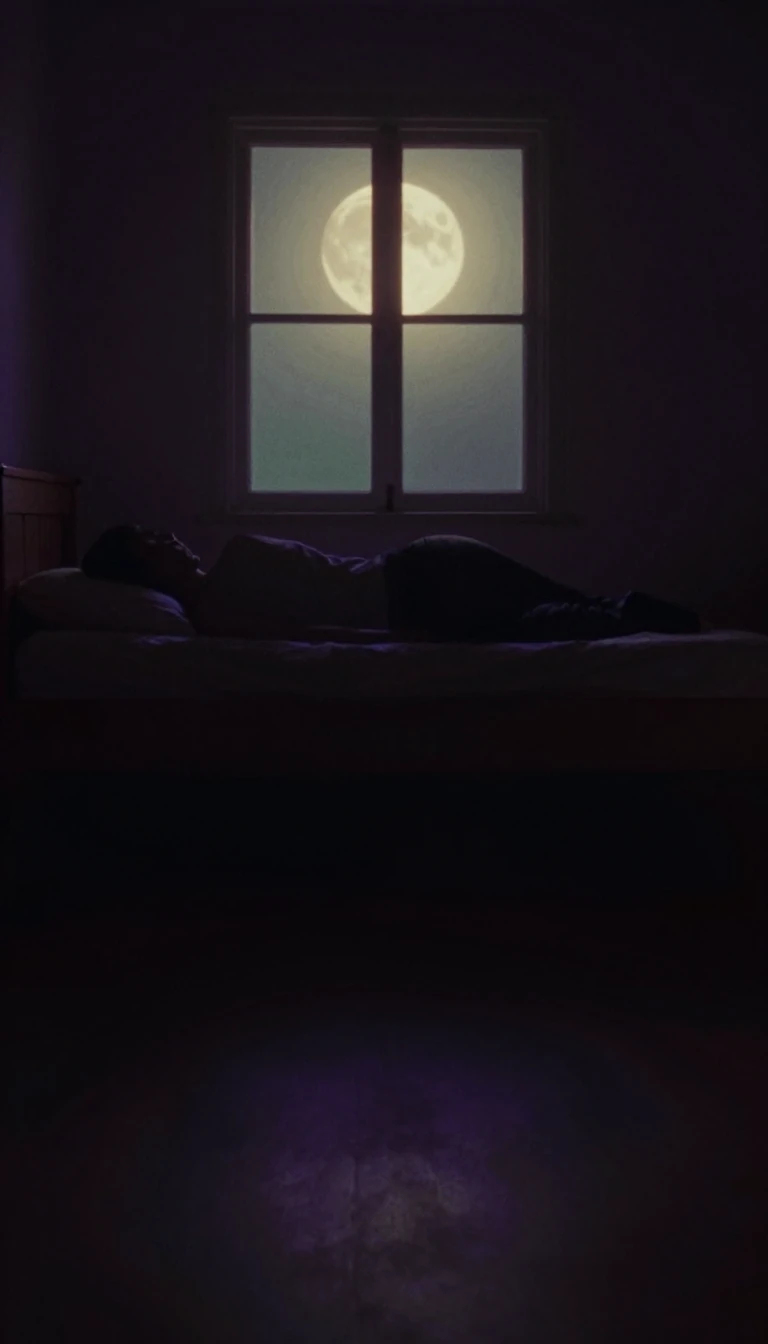
In short: Sleepwalking is a mysterious state where the body moves while the brain remains largely dormant. Often dismissed as a childhood phase, this parasomnia can persist into adulthood, sometimes triggered by genetics, stress, or medication. Understanding this nocturnal behavior requires looking at the delicate boundary between deep sleep and wakefulness.
Somnambulism, or sleepwalking, is classified as a disorder of arousal. It occurs during N3, the deepest stage of non-rapid eye movement sleep, typically within the first few hours of the night. During an episode, an individual may sit up, wander, or perform routine tasks like getting dressed, all while remaining in a state of partial arousal. While their eyes are often open, they typically exhibit a blank or glassy-eyed expression and may not respond to their surroundings. Most people have little to no memory of these events upon waking.
The exact cause remains elusive, but genetics play a significant role. If one parent has a history of the condition, their child faces a 47% likelihood of also sleepwalking; if both parents are affected, that probability rises to 62%. Beyond heredity, environmental and physiological factors can trigger episodes. These include sleep deprivation, fever, stress, alcohol consumption, and certain medications, such as zolpidem or quetiapine. Underlying health issues, including sleep apnea, restless legs syndrome, or even degenerative brain conditions like Parkinson’s disease, are also linked to the disorder.
While most children eventually outgrow the behavior, persistent sleepwalking in adults or frequent episodes in children warrant medical attention. Safety is the primary concern, as sleepwalkers may inadvertently injure themselves by falling or wandering into hazardous situations. Management strategies focus on environmental safety—such as locking doors, clearing floors of tripping hazards, and using stair gates—alongside addressing potential triggers like poor sleep hygiene or underlying medical conditions. In rare cases, clinicians may suggest psychological therapies or specific medications to help regulate sleep patterns.
Opens the Intellect+ feed with this card first. Swipe up for the next one.
Sources
- Summary by Intellect · source: Sleepwalking - Symptoms and causes
- Also: Sleepwalking Doesn’t Have To Stop You From Resting Easy
- Also: Sleepwalking
To cite this card, link to https://intellectplus.co.uk/app/health-sleepwalking.
How we source, check and correct cards: Editorial standards.
General information, not professional advice. Spotted an error? Flag the card or see corrections and complaints.
Intellect Plus is a visual educational discovery platform for exploring fascinating facts and ideas. Brain Food, Not Brain Rot. What is Intellect Plus?
Related
More in Morbidity · More in Health · Latest · A–Z · All topics
