Why do some people with dementia experience increased confusion as the sun sets?
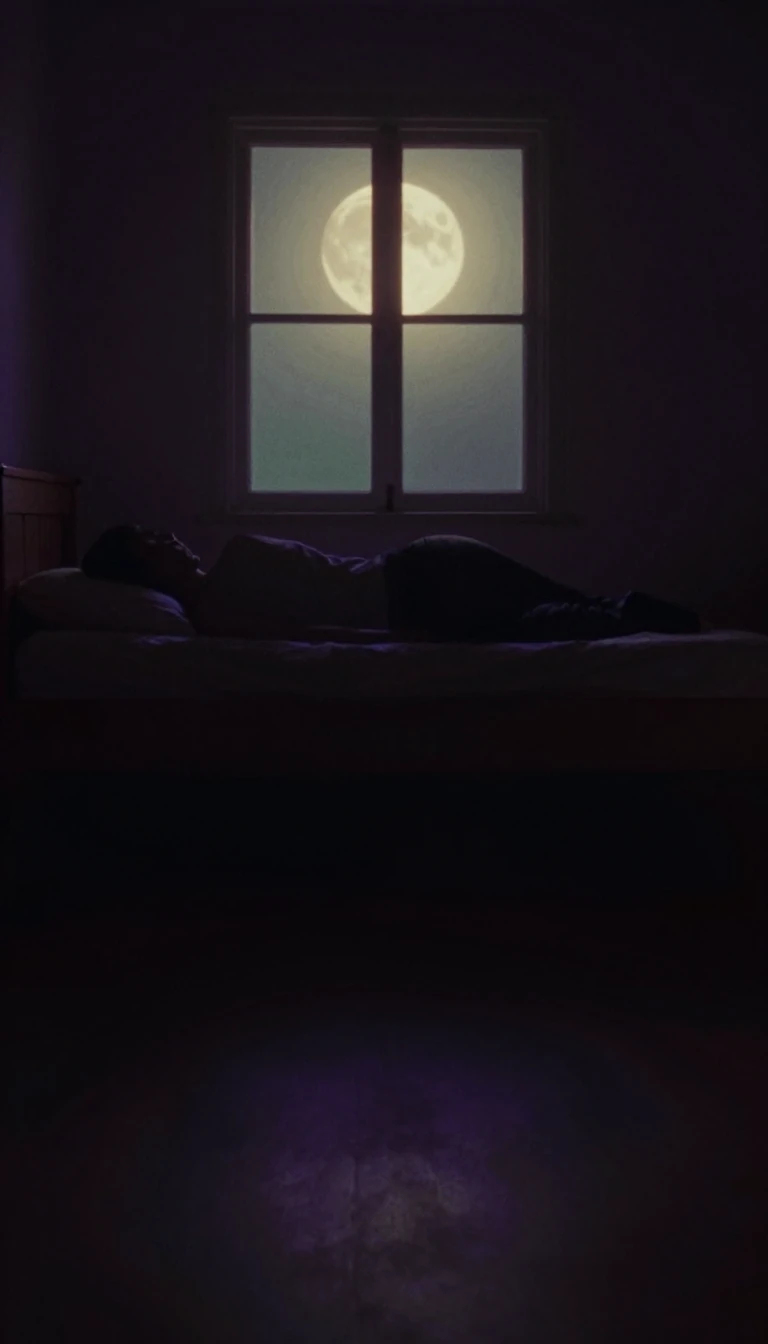
In short: Sundowning is a phenomenon where individuals with dementia face heightened agitation, confusion, and restlessness as daylight fades. While the exact cause remains unproven, researchers believe it is linked to disrupted circadian rhythms and the brain's struggle to process the transition from light to dark, often worsening in the evening.
Sundowning, or late-day confusion, is a collection of behavioral symptoms that often intensify around sunset. While not an official diagnosis in the DSM-5, it is a recognized clinical challenge affecting an estimated 20% to 45% of people with Alzheimer’s disease. Symptoms vary widely, ranging from pacing, wandering, and yelling to more complex mental states like paranoia, hallucinations, and delusions. These behaviors can lead to significant caregiver burnout, increased hospitalizations, and a steeper cognitive decline for the patient.
The prevailing theory behind sundowning centers on the disruption of the body's internal clock. The suprachiasmatic nucleus (SCN) in the hypothalamus regulates sleep-wake cycles based on light cues. In Alzheimer’s patients, plaques and tangles may damage this area, impairing the body’s ability to maintain a stable rhythm. As natural light fades, the brain may struggle with the biochemical shift—specifically a reduction in dopamine and a change in melatonin production—that typically prepares the body for rest. This physiological fatigue, combined with environmental factors like reduced staffing in care facilities or increased shadows, can trigger intense agitation.
Because sundowning is often a symptom of underlying issues rather than a standalone condition, effective management requires identifying and treating specific triggers. Physical discomfort, such as pain from an undiagnosed urinary tract infection, dehydration, or medication side effects, can exacerbate the condition. Clinicians often recommend a multi-faceted approach: light therapy to reinforce circadian cues, environmental modifications to reduce overstimulation, and sleep hygiene practices. While medications like antipsychotics or antidepressants are sometimes used, they are typically approached with caution due to long-term risks like stroke. Ultimately, the goal is to create a predictable, soothing environment that minimizes the stress of the late-day transition.
Distinguishing sundowning from acute delirium is critical for proper care. While delirium is an acute, sudden event, sundowning is a recurring behavioral pattern associated with the progression of dementia, most commonly appearing in the middle stages. Because patients may be unable to communicate their distress, they rely on advocates to prompt medical evaluations. By addressing comorbidities and environmental stressors, caregivers can often mitigate the severity of these episodes, improving the quality of life for those navigating the complexities of cognitive decline.
Opens the Intellect+ feed with this card first. Swipe up for the next one.
Sources
- Summary by Intellect · source: Sundown Syndrome: Causes, Treatment & Symptoms
- Also: Sundowning
To cite this card, link to https://intellectplus.co.uk/app/health-sundowning.
How we source, check and correct cards: Editorial standards.
General information, not professional advice. Spotted an error? Flag the card or see corrections and complaints.
Intellect Plus is a visual educational discovery platform for exploring fascinating facts and ideas. Brain Food, Not Brain Rot. What is Intellect Plus?
Related
More in Health, medicine and disease · More in Health · Latest · A–Z · All topics
