How honey bees use collective intelligence to choose a new home
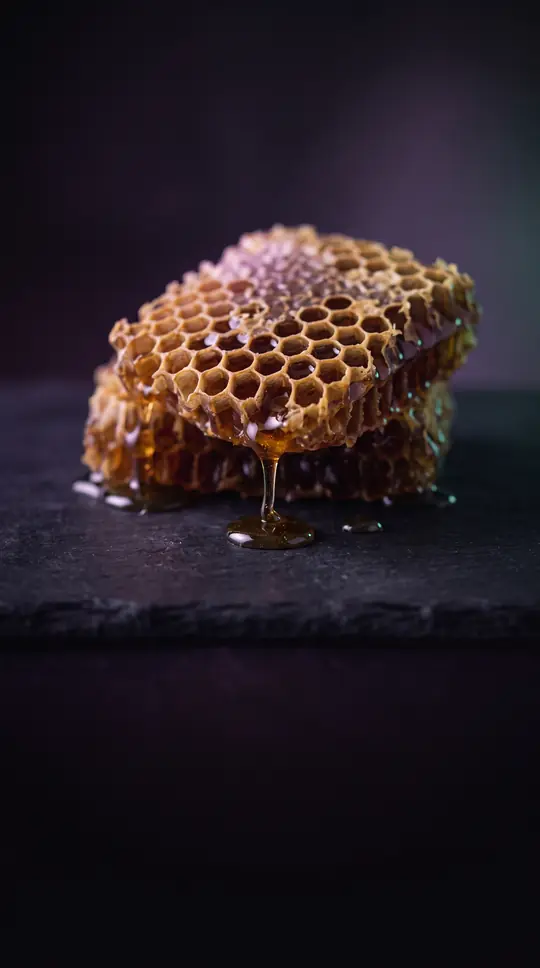
In short: When a honey bee colony splits, the new swarm faces a high-stakes survival clock. They must find a permanent nest within about three days of their initial departure, or they risk starvation. To succeed, they rely on a sophisticated democratic voting system powered by scouts and rhythmic dances.
Swarming is the natural reproductive method for honey bee colonies, typically occurring in the spring. When a colony splits, a new swarm—often accompanied by a virgin queen—leaves the original hive. This transition is perilous; the swarm carries only the nectar or honey stored in their stomachs. If they fail to secure a new home and additional food sources quickly, they will starve. This risk is heightened during early spring swarms when warm days can be followed by sudden cold or rainy weather.
The decision-making process is a masterclass in collective intelligence. Only about 3% to 5% of the swarm are selected as scouts. These experienced foragers search for suitable cavities, seeking sites that are at least 15 liters in volume (preferably around 40 liters), well-protected from the elements, and free of ants. Upon finding a potential site, a scout returns to the cluster and performs a waggle dance. The intensity of her dance communicates the location's quality, distance, and direction to the rest of the swarm.
To ensure the colony doesn't waste its limited food reserves or settle for a sub-par home, the bees employ a specific quorum system. A final decision is typically reached when approximately 80% of the scouts agree on a single location, or when a quorum of 20 to 30 scouts are present at a potential site. Once consensus is reached, the entire swarm takes off, with scouts flying overhead to guide the mass to the new nest. This mechanism allows the colony to identify optimal resources with remarkable success while maintaining the integrity of the group.
Beekeepers manage these behaviors through various interventions. Some methods, like 'checkerboarding' or 'colony equalization,' manipulate the bees' perception of resources to prevent the swarming drive. Others, like 'swarm traps' using Nasonov pheromone lures, actively redirect the bees. Because swarms are vulnerable, professional intervention is often preferred over extermination, as competent beekeepers can relocate these clusters to safe, managed environments.
Opens the Intellect+ feed with this card first. Swipe up for the next one.
Sources
- Summary by Intellect · source: Swarming (honey bee)
To cite this card, link to https://intellectplus.co.uk/app/health-swarming-honey-bee.
How we source, check and correct cards: Editorial standards.
General information, not professional advice. Spotted an error? Flag the card or see corrections and complaints.
Intellect Plus is a visual educational discovery platform for exploring fascinating facts and ideas. Brain Food, Not Brain Rot. What is Intellect Plus?
Related
More in First aid · More in Health · Latest · A–Z · All topics
