The biblical disease that wasn't leprosy: understanding Tzaraath
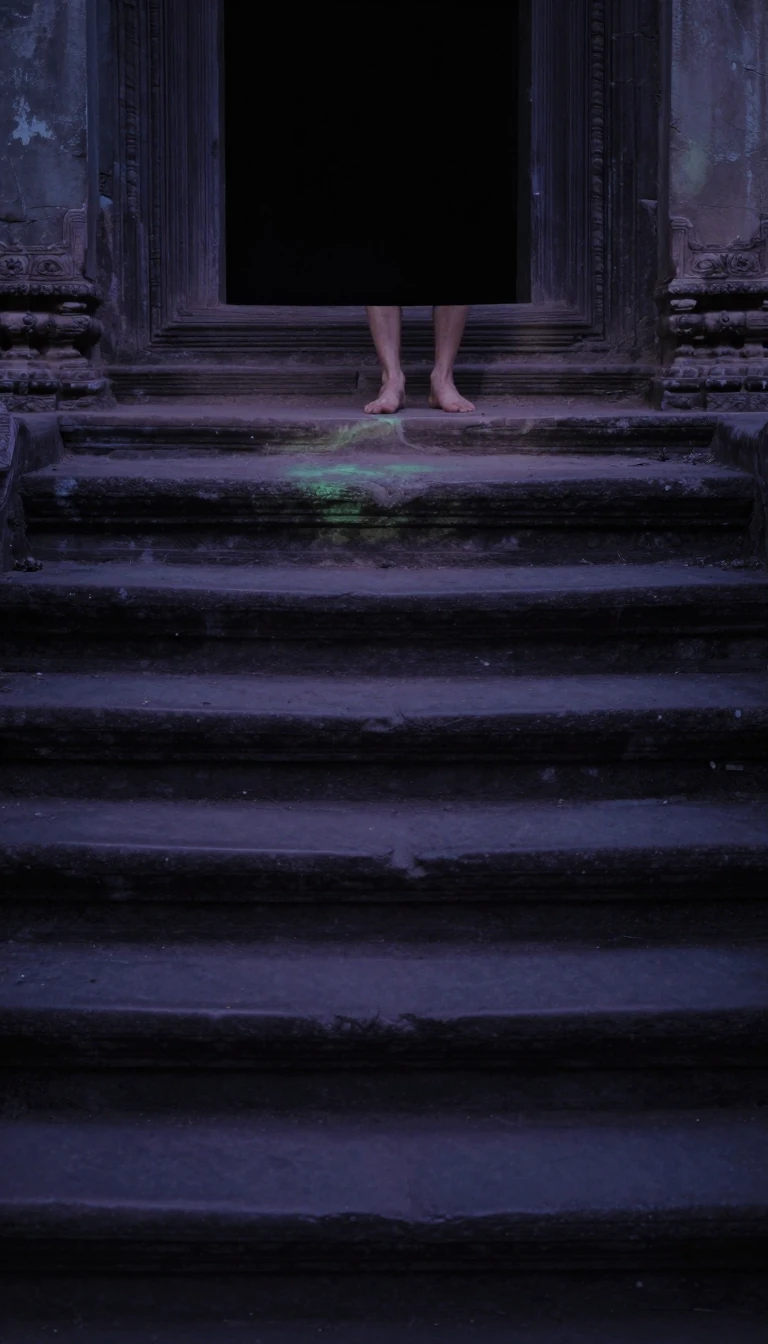
In short: For centuries, Western readers confused a specific Biblical affliction with modern Hansen's disease. In reality, Tzaraath was a complex category of ritual impurity involving skin, hair, and even architecture. It functioned less as a medical diagnosis and more as a sophisticated system of social and spiritual quarantine.
Tzaraath is frequently translated as leprosy in English Bibles, but it is distinct from Hansen's disease (the bacterial infection known today). The Greek translation 'lepra' actually referred to conditions like psoriasis. The confusion arose later as Hansen's disease spread and Islamic medical works in the 9th century began linking the two concepts. Etymologically, Tzaraath may mean 'smiting,' derive from a word for 'wasp' (suggesting a stinging sensation), or relate to roots meaning 'to spread' or 'growth.'
The diagnosis was a rigorous process overseen by a Kohen (priest). For skin patches, the Kohen looked for three specific signs: white hair, healthy flesh appearing within a patch, or spreading. If these weren't present, the individual faced a seven-day home confinement. For boils and burns—which were not considered Tzaraath unless they developed mimicking symptoms—the protocol differed. Even bald patches had unique rules; on men, specific eruptions in areas of posterior or anterior baldness could be declared impure if they appeared as white patches tinged with red.
The primary focus was ritual purity rather than medical danger; the Bible rarely mentions death from Tzaraath. Those declared 'tamei' (impure) were forced into social isolation, tearing their garments and covering their mouths—acts of mourning or perhaps early attempts at contagion control. Once cured, a meticulous purification ceremony followed involving live birds, cedar wood, scarlet thread, and specific animal sacrifices. This system represents what some historians call the first model of sanitary legislation, blending spiritual status with communal health.
Interestingly, certain conditions were exempt from impurity rules. Some Talmudic laws treated Tzaraath as noncontagious to non-Jews, and if white hairs were plucked before a Kohen's inspection, the person remained pure. This suggests a nuanced legal framework where ritual status was governed by specific physical markers rather than a universal biological threat.
Opens the Intellect+ feed with this card first. Swipe up for the next one.
Sources
- Summary by Intellect · source: Tzaraath
To cite this card, link to https://intellectplus.co.uk/app/health-tzaraath.
How we source, check and correct cards: Editorial standards.
General information, not professional advice. Spotted an error? Flag the card or see corrections and complaints.
Intellect Plus is a visual educational discovery platform for exploring fascinating facts and ideas. Brain Food, Not Brain Rot. What is Intellect Plus?
Related
More in History of medicine · More in Health · Latest · A–Z · All topics
