Beyond the lying-in-state, Westminster Hall was once a site of royal feasting and law.
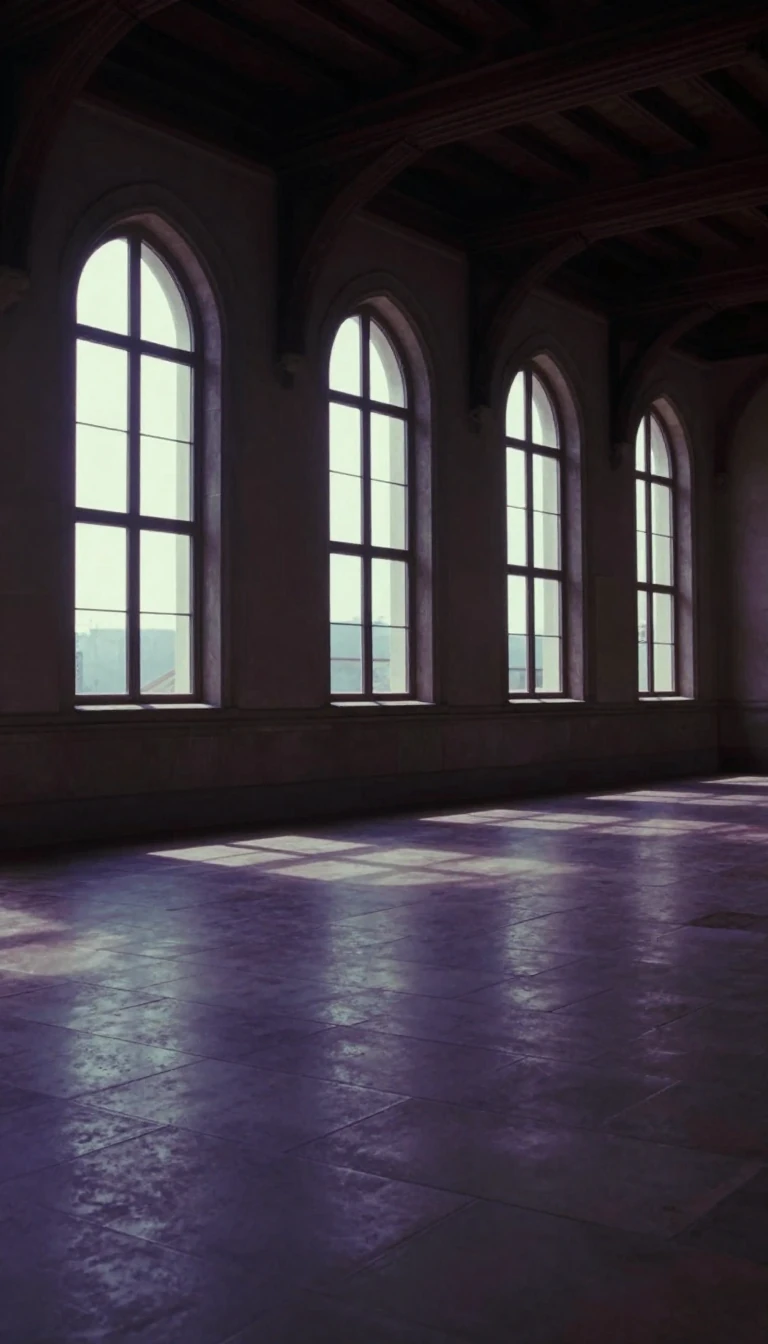
In short: Today, Westminster Hall is a solemn, empty space associated with the final farewells of sovereigns. Yet, for centuries, this medieval marvel served as the beating heart of English governance, hosting lavish coronation banquets, high-stakes state trials, and the daily business of the nation's most powerful legal courts.
Constructed for William II and completed in 1099, Westminster Hall stands as the oldest building within the Palace of Westminster. Its most iconic feature, the largest medieval timber roof in northern Europe, was commissioned by Richard II in 1393. This architectural feat, designed by carpenter Hugh Herland and master mason Henry Yevele, utilized oak from royal forests in Hampshire, Surrey, and Hertfordshire. The hall was not merely a ceremonial backdrop but a functional hub where the courts of King's Bench, Chancery, and Common Pleas operated for centuries before moving to the Royal Courts of Justice in 1882.
The hall’s history is defined by its dramatic shifts in purpose. In the medieval period, it was the site of elective inauguration rituals where sovereigns were placed on the ancient marble 'King's Bench' throne. Coronation banquets were once a staple, featuring elaborate 'subtleties'—confections adorned with gold and heraldic emblems—and the dramatic spectacle of the King's Champion throwing down a gauntlet to challenge any who denied the monarch's title. These feasts, which included exotic fare like swan and crane, were eventually curtailed by the rising costs of royal ceremonies, with the last coronation banquet occurring in 1821 for George IV.
Beyond pageantry, the hall served as a grim theater for justice. It hosted the trials of figures such as Sir Thomas More in 1535 and King Charles I in 1649. While the building survived the fire of 1834 and World War II bombing, its interior underwent significant changes, including the 1661 demolition of the original marble throne and table. Today, the hall’s role has evolved into a venue for state funerals and addresses by distinguished visitors, yet it remains a testament to the shifting tides of British political and legal tradition.
Opens the Intellect+ feed with this card first. Swipe up for the next one.
Sources
- Summary by Intellect · source: We all know about Westminster Abbey – what about Westminster Hall? | Feature from King's College London
- Also: Westminster Hall
To cite this card, link to https://intellectplus.co.uk/app/health-westminster-hall.
How we source, check and correct cards: Editorial standards.
General information, not professional advice. Spotted an error? Flag the card or see corrections and complaints.
Intellect Plus is a visual educational discovery platform for exploring fascinating facts and ideas. Brain Food, Not Brain Rot. What is Intellect Plus?
Related
More in Health, medicine and disease · More in Health · Latest · A–Z · All topics
