Why the global supply chain broke and why it may never fully recover
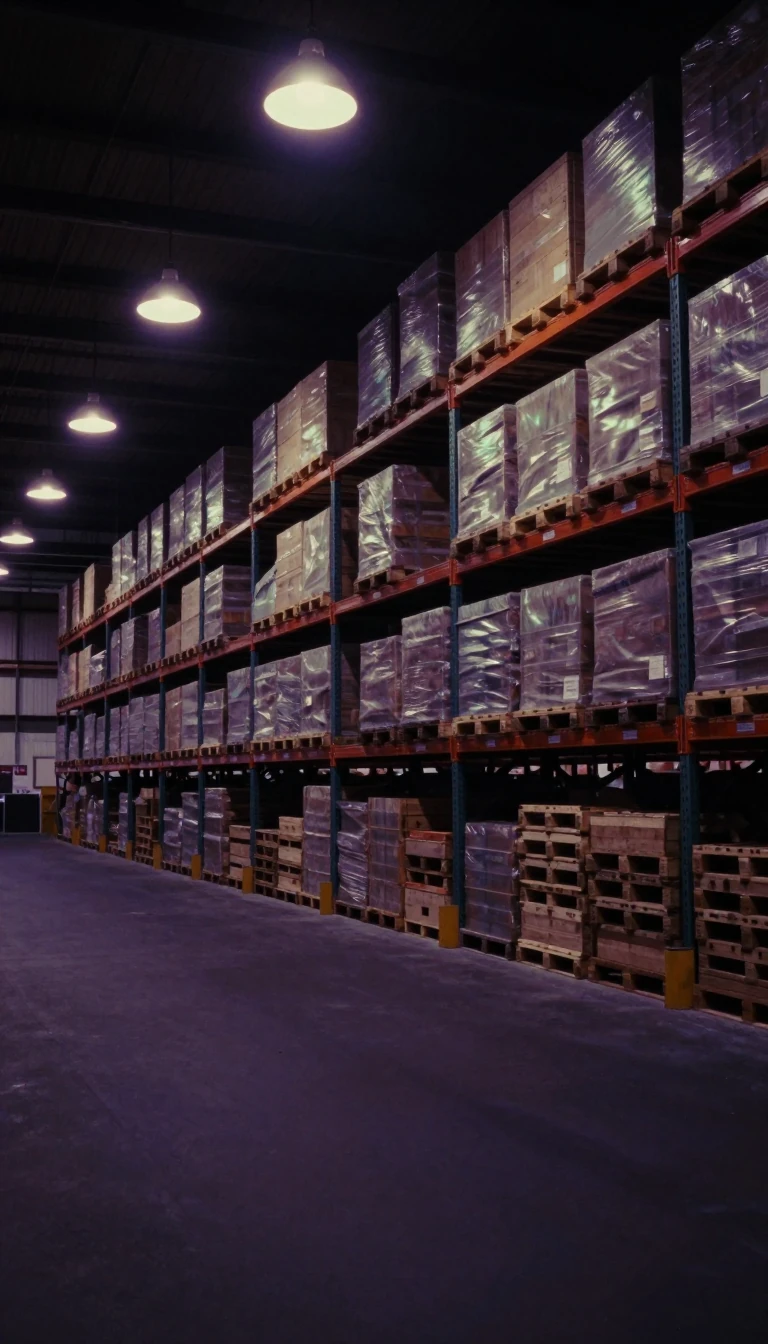
In short: The pandemic exposed a fragile global trade network built on efficiency rather than resilience. When lean manufacturing met sudden, unpredictable demand shifts, the system buckled. From empty store shelves to stalled container ships, the resulting chaos revealed deep structural vulnerabilities that continue to challenge the modern global economy today.
The 2021–2023 supply chain crisis was triggered by the COVID-19 pandemic, which forced manufacturers to suspend operations and created severe labor shortages. As wealthy nations resumed consumption, their demand for goods surged, clashing with production halts in developing regions. Vietnam, a critical apparel hub, faced factory closures that forced the government to mandate that workers live on-site to maintain output. This disruption was compounded by the reliance on lean manufacturing, or just-in-time production. While this method minimizes warehouse costs by matching supply precisely to demand, it lacks the flexibility to handle unexpected shocks. When demand for items like personal protective equipment skyrocketed, the system could not adapt, leading to massive backlogs at major hubs like the Port of Los Angeles.
Shipping logistics faced a perfect storm. Ports became overwhelmed with record cargo volumes, while a pre-existing shortage of truck drivers and rail capacity prevented goods from moving inland. Container shortages further stalled global trade, as units were often misplaced or stuck in transit. The crisis was exacerbated by the Russian invasion of Ukraine, which disrupted the supply of critical commodities. Russia and Ukraine together accounted for over a quarter of global wheat trade and significant portions of sunflower oil and barley exports. Furthermore, Russia is a vital source for 35 critical minerals, including 30% of the world's platinum-group elements, 13% of titanium, and 11% of nickel, all essential for national security and economic stability.
The long-term consequences remain visible. Shortages have impacted everything from infant formula and tampons to commercial aircraft, with Boeing and Airbus backlogged until 2029. Inflation, which reached 7% to 8% by June 2022, further strained the global economy. Even as some recovery occurred, systemic bottlenecks persist; by May 2025, the Global Supply Chain Pressure Index reached 0.19, signaling ongoing instability. Experts suggest that the era of pre-pandemic supply chains is likely over, forcing companies to reconsider the benefits of stockpiling and supplier diversification over the thin margins of lean production.
Opens the Intellect+ feed with this card first. Swipe up for the next one.
Sources
- Summary by Intellect · source: 2021–2023 global supply chain crisis
To cite this card, link to https://intellectplus.co.uk/app/history-2021-2023-global-supply-chain-crisis.
How we source, check and correct cards: Editorial standards.
General information, not professional advice. Spotted an error? Flag the card or see corrections and complaints.
Intellect Plus is a visual educational discovery platform for exploring fascinating facts and ideas. Brain Food, Not Brain Rot. What is Intellect Plus?
Related
More in Contemporary (1945-) · More in History · Latest · A–Z · All topics
