Beyond space travel, airlocks are the unsung gatekeepers of our most extreme environments.
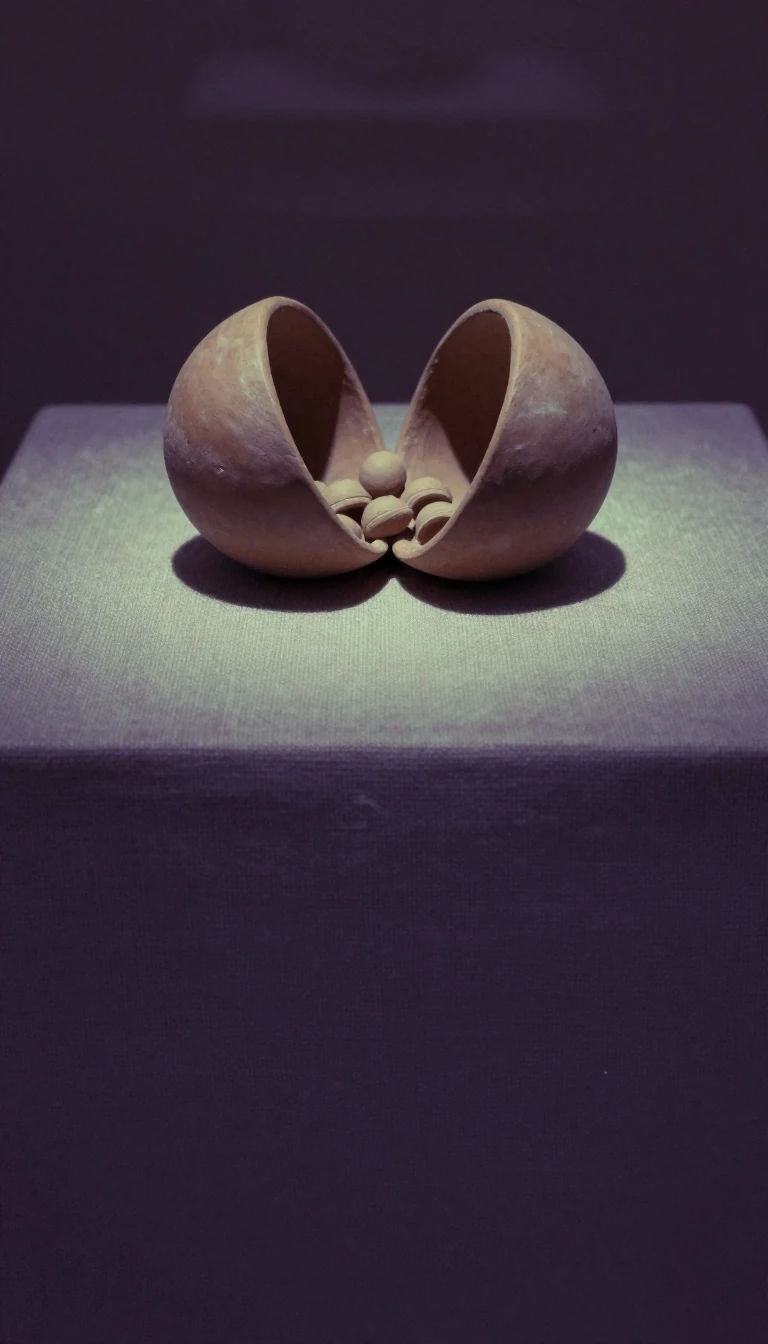
In short: An airlock is more than a sci-fi trope for space exits. It is a vital mechanism for managing pressure and contamination, from deep-sea saturation diving to cleanrooms and even inflatable architecture. By controlling the transition between environments, these chambers protect everything from human lives to delicate scientific instruments.
At its core, an airlock is a chamber with two airtight doors that never open simultaneously. This simple configuration allows passage between areas of differing pressure or composition without compromising the integrity of either side. By equalizing pressure gradually, the system prevents dangerous rapid decompression, which is critical for divers who must avoid sickness, and protects structural seals from the stress of sudden fluctuations.
The technology has evolved significantly since Thomas Cochrane received the first patent in 1830 to aid tunnel construction. While early applications focused on civil engineering, such as the 1879 Hudson River tunnel project, space exploration pushed the design to new heights. Early missions like Apollo 11 lacked dedicated airlocks, forcing crews to depressurize their entire cabin for spacewalks. Today, the International Space Station utilizes specialized modules like the Quest Joint Airlock and the commercial Nanoracks Bishop Airlock to manage everything from astronaut exits to refrigerator-sized payloads.
Beyond high-stakes exploration, airlocks serve essential roles in mundane and specialized settings. In medical centers and laboratories, they maintain negative pressure to trap hazardous particulates, while cleanrooms use positive pressure to exclude contaminants. In architecture, they support inflatable domes by maintaining internal pressure, and in fermentation, they allow gases to escape while keeping air out. Whether preserving the contents of an Egyptian pyramid from decay or enabling saturation divers to work for weeks at depth, the airlock remains a fundamental tool for isolating and navigating the boundaries of our world.
Opens the Intellect+ feed with this card first. Swipe up for the next one.
Sources
- Summary by Intellect · source: Airlock
To cite this card, link to https://intellectplus.co.uk/app/history-airlock.
How we source, check and correct cards: Editorial standards.
General information, not professional advice. Spotted an error? Flag the card or see corrections and complaints.
Intellect Plus is a visual educational discovery platform for exploring fascinating facts and ideas. Brain Food, Not Brain Rot. What is Intellect Plus?
Related
More in Explorers · More in History · Latest · A–Z · All topics
