Did a single German general's obsession with an ancient battle trigger World War I?
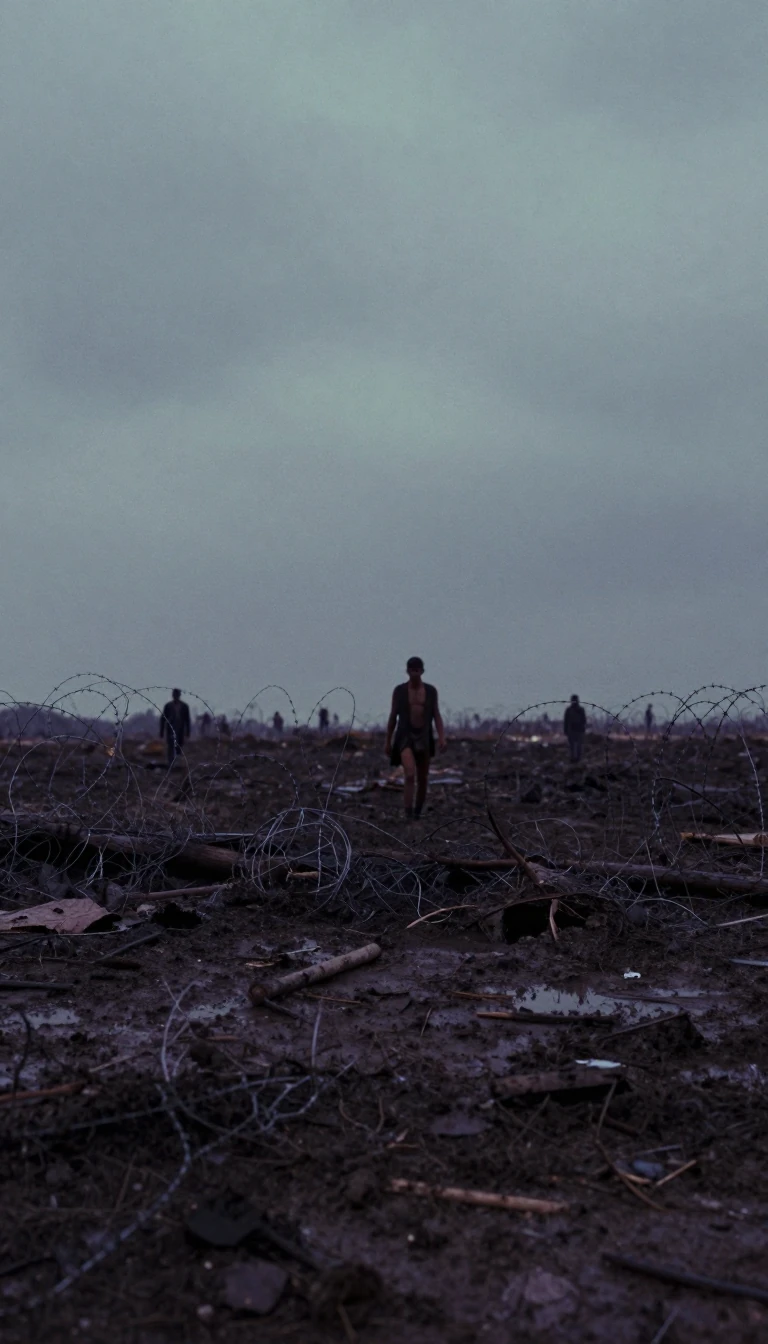
In short: Alfred von Schlieffen, chief of the German general staff, believed modern warfare could be won by replicating Hannibal’s double envelopment at Cannae. His 1905 plan sought a swift, total annihilation of France before turning to Russia. Yet, his rigid strategy became a lightning rod for blame after Germany’s eventual defeat.
Alfred von Schlieffen, who served as chief of the German general staff from 1891 to 1906, fundamentally shifted German military doctrine toward the 'strategy of annihilation' (Vernichtungsstrategie). Inspired by the Carthaginian general Hannibal’s victory at the Battle of Cannae in 216 bce, Schlieffen sought to provoke a decisive battle (Entscheidungsschlacht) that would destroy an enemy force in a single, massive act. He rejected the Clausewitzian concept of a 'centre of gravity' in favor of continuous, rapid forward movement designed to annihilate opponents rather than merely neutralize them.
His 1905 plan, known as the Schlieffen Plan, was designed to solve the problem of a two-front war against France and Russia. Schlieffen proposed that Germany should first eliminate France while Russia was held in check, then combine forces to defeat the latter. The plan relied on a massive right-wing force—with a manpower ratio of 7:1 compared to the left wing—that would sweep through neutral Belgium, wheeling south to encircle Paris. Schlieffen believed this campaign could conclude in six weeks with a 'super Cannae' in the south.
The plan faced significant internal and external opposition. The German navy feared the focus on land forces would starve battleship development, while military thinkers like Friedrich Adolf von Bernhardi argued that the reliance on massive new units would weaken the regular army. Schlieffen’s insistence on a 'preventive war' in 1905, citing Russia’s defeat by Japan and a crisis in Morocco, led to his dismissal by Emperor William II. When war finally broke out in 1914, his successor, Helmuth von Moltke, modified the plan, reducing the attacking army's size. After Germany’s 1918 defeat, the military blamed the plan as flawed, while the Allies cited it as evidence of German aggression, using it to justify war guilt and reparations.
Opens the Intellect+ feed with this card first. Swipe up for the next one.
Sources
- Summary by Intellect · source: Alfred von Schlieffen | Biography & Facts | Britannica
- Also: Alfred von Schlieffen
To cite this card, link to https://intellectplus.co.uk/app/history-alfred-von-schlieffen.
How we source, check and correct cards: Editorial standards.
General information, not professional advice. Spotted an error? Flag the card or see corrections and complaints.
Intellect Plus is a visual educational discovery platform for exploring fascinating facts and ideas. Brain Food, Not Brain Rot. What is Intellect Plus?
Related
More in Military leaders, personnel, and theorists · More in History · Latest · A–Z · All topics
