A tiny group of American ships faced the world's largest battleships and somehow survived.
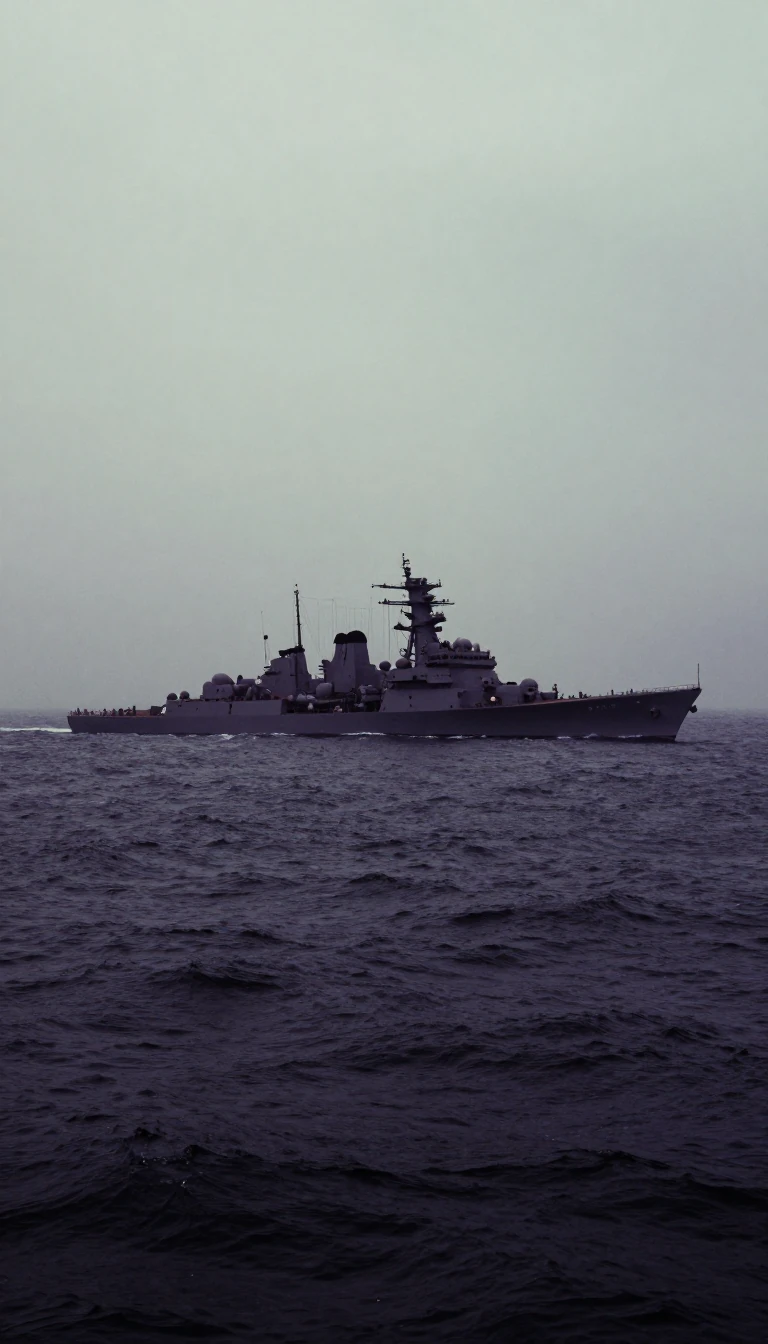
In short: On October 25, 1944, a small, lightly armored American task unit known as Taffy 3 unexpectedly encountered the massive Japanese Center Force off Samar. Despite being hopelessly outgunned by the largest battleships ever built, the Americans launched a desperate, aggressive defense that forced the Japanese fleet to retreat in confusion.
The Battle off Samar was a pivotal, chaotic engagement during the broader Battle of Leyte Gulf. Vice Admiral Takeo Kurita’s Center Force, featuring the legendary battleship Yamato, sought to destroy American landing forces at Leyte. However, the Japanese were misled by a decoy fleet, leaving the American Seventh Fleet vulnerable. Taffy 3, commanded by Rear Admiral Clifton Sprague, consisted of six small escort carriers and seven destroyers or destroyer escorts. These ships were designed for anti-submarine patrols and lacked the armor or heavy weaponry to challenge battleships.
When the Japanese opened fire at dawn, the Americans utilized rain squalls for concealment and deployed smoke screens to mask their movements. The American destroyers, nicknamed 'tin cans,' engaged in aggressive torpedo runs that caused the Japanese to overestimate their size and strength. The destroyer USS Johnston, led by Commander Ernest E. Evans, famously charged the enemy fleet, successfully damaging the heavy cruiser Kumano and causing significant disruption to the Japanese formation. The American ships also benefited from radar-controlled fire systems, which allowed them to maintain accuracy despite poor visibility, while the Japanese relied on optical rangefinders and color-coded shell dyes.
Kurita, convinced he was facing the powerful Third Fleet rather than a small escort group, ordered a disorganized 'General Attack.' This lack of coordination, combined with the fierce American resistance and constant air attacks from Taffy 3 and Taffy 2, led Kurita to withdraw his fleet at 0930 hours. Although Taffy 3 suffered heavy losses—including two escort carriers and two destroyers—their stand prevented the Japanese from attacking the vulnerable landing forces at Leyte. Historians frequently highlight this engagement as an extraordinary example of naval defiance, where a vastly inferior force successfully repelled a superior opponent through sheer audacity and tactical maneuvering.
The aftermath saw over 1,000 American casualties, a toll comparable to major battles like Midway. The Japanese also suffered significant losses, with over 2,700 casualties and several cruisers sunk or damaged. Fleet Admiral Chester W. Nimitz later characterized the survival of Taffy 3 as a miraculous outcome. The battle remains a testament to the effectiveness of aggressive, unconventional tactics when faced with overwhelming odds.
Opens the Intellect+ feed with this card first. Swipe up for the next one.
Sources
- Summary by Intellect · source: Battle off Samar
To cite this card, link to https://intellectplus.co.uk/app/history-battle-off-samar.
How we source, check and correct cards: Editorial standards.
General information, not professional advice. Spotted an error? Flag the card or see corrections and complaints.
Intellect Plus is a visual educational discovery platform for exploring fascinating facts and ideas. Brain Food, Not Brain Rot. What is Intellect Plus?
Related
More in History by country · More in History · Latest · A–Z · All topics
